
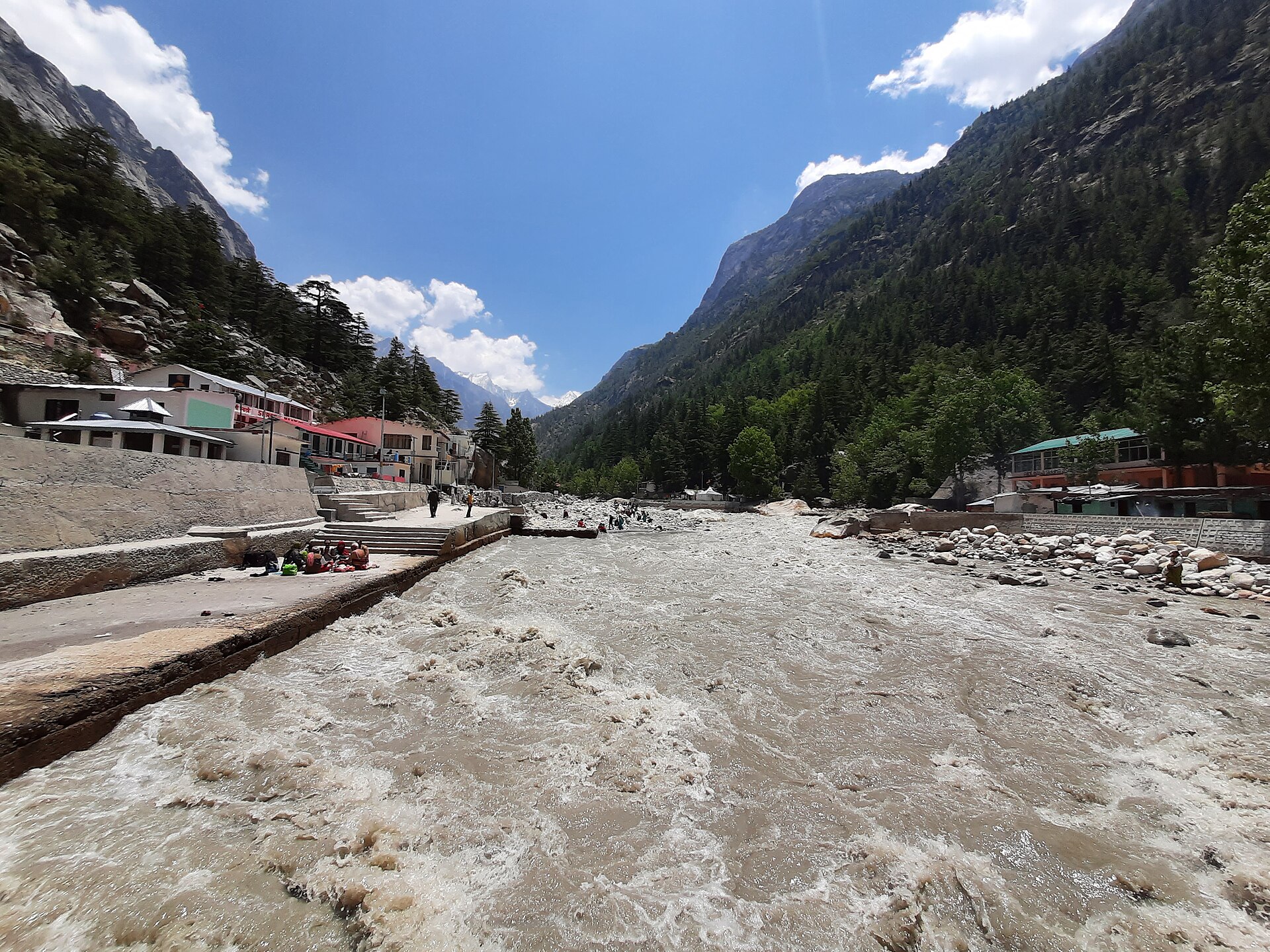
The Himalayas are warming, their glaciers are retreating, and the villages that live below them hold knowledge that science is only starting to catalogue. At the 27th meeting of the G.B. Pant Society of Himalayan Environment and Development in New Delhi on 15 October, Environment Minister Bhupender Yadav chaired the session and put local communities at the centre of the conversation, backing the People’s Biodiversity Register in the Himalaya as a tool for conservation and livelihoods.
Why People’s Biodiversity Registers matter
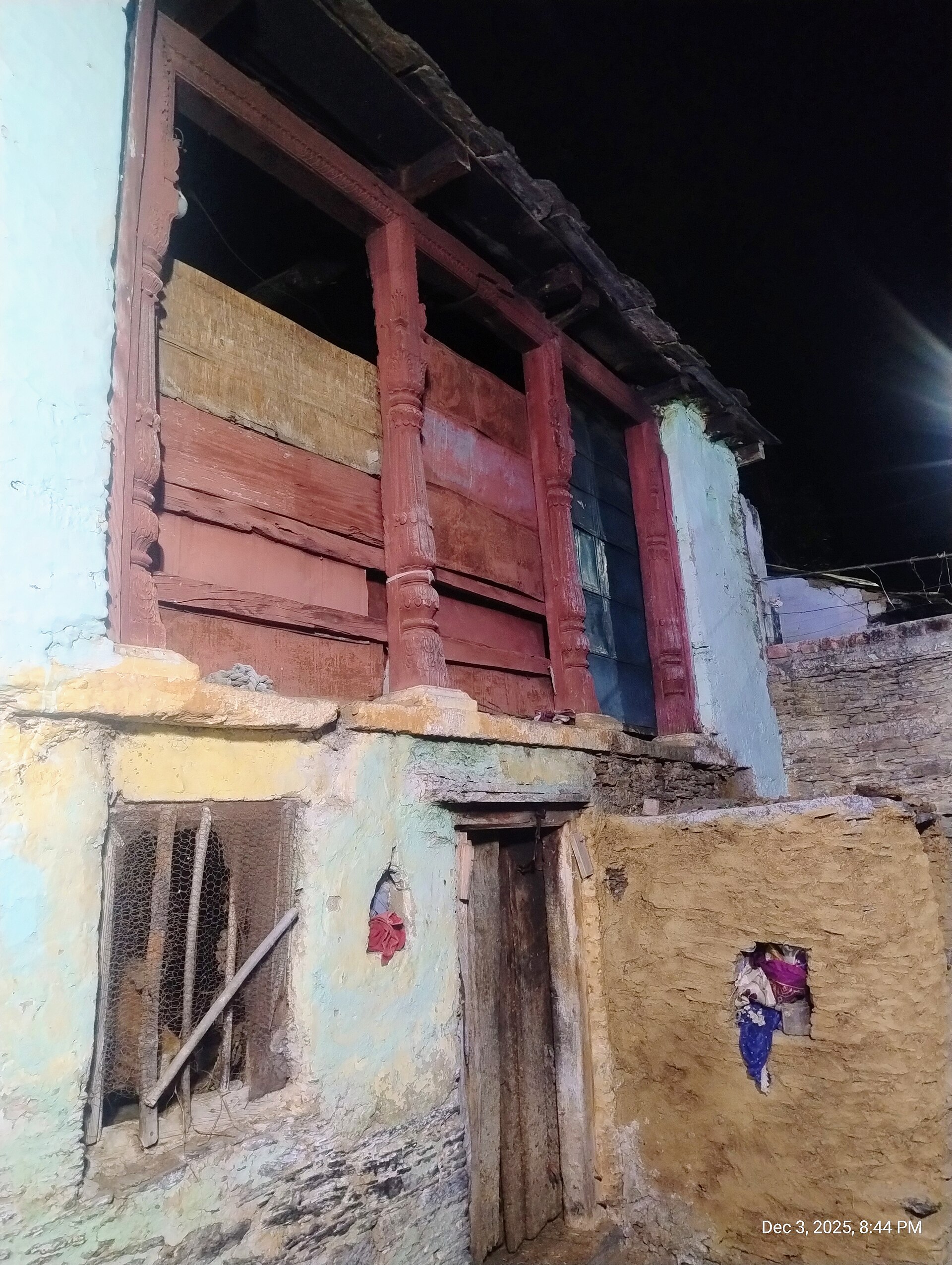
Mr Yadav stressed access and benefit-sharing rights and People’s Biodiversity Registers (PBRs) as a way to improve the livelihoods of native villagers and, through that, the wider health of the Himalayan ecosystem. A PBR is a community-maintained record of local plants, animals, crops and traditional knowledge. Under India’s biodiversity law, companies that commercially use biological resources are expected to share benefits with the communities who conserve them, and a well-documented register helps those communities claim that share and protects against biopiracy.
The Minister also spoke of a policy framework aiming to balance ecological security with sustainable socio-economic growth in the Indian Himalayan Region by 2047. For how benefit-sharing works in practice, see our report on National Biodiversity Authority benefit-sharing payments.
The four publications
The Society released four titles that add to the institute’s knowledge repository:
- Biodiversity and its Conservation Practices for Bhagirathi Eco-sensitive Zone, on the Bhagirathi catchment in Uttarakhand, where the headwaters of the Ganga begin.
- Gangotri Glaciated System, a look at one of the Himalaya’s best-known glacier systems.
- E-PBR Governance for the Indian Himalayan Region, on digitising and managing biodiversity registers.
- Ramsar Wetlands of the Indian Himalayan Region, timely given that India’s Ramsar tally reached 103 the same day.
The press release lists only titles, so details of findings are not yet public through PIB.
Why it matters
Mountain communities carry the heaviest burden of climate change and often receive the least recognition for conserving what they live among. Digital registers, fair benefit-sharing and baseline science on glaciers and wetlands are the unglamorous building blocks of Himalayan resilience. The test will be whether e-PBRs translate into actual payments and decisions on the ground. Explore more on environment sustainability and the sustainable development section.