
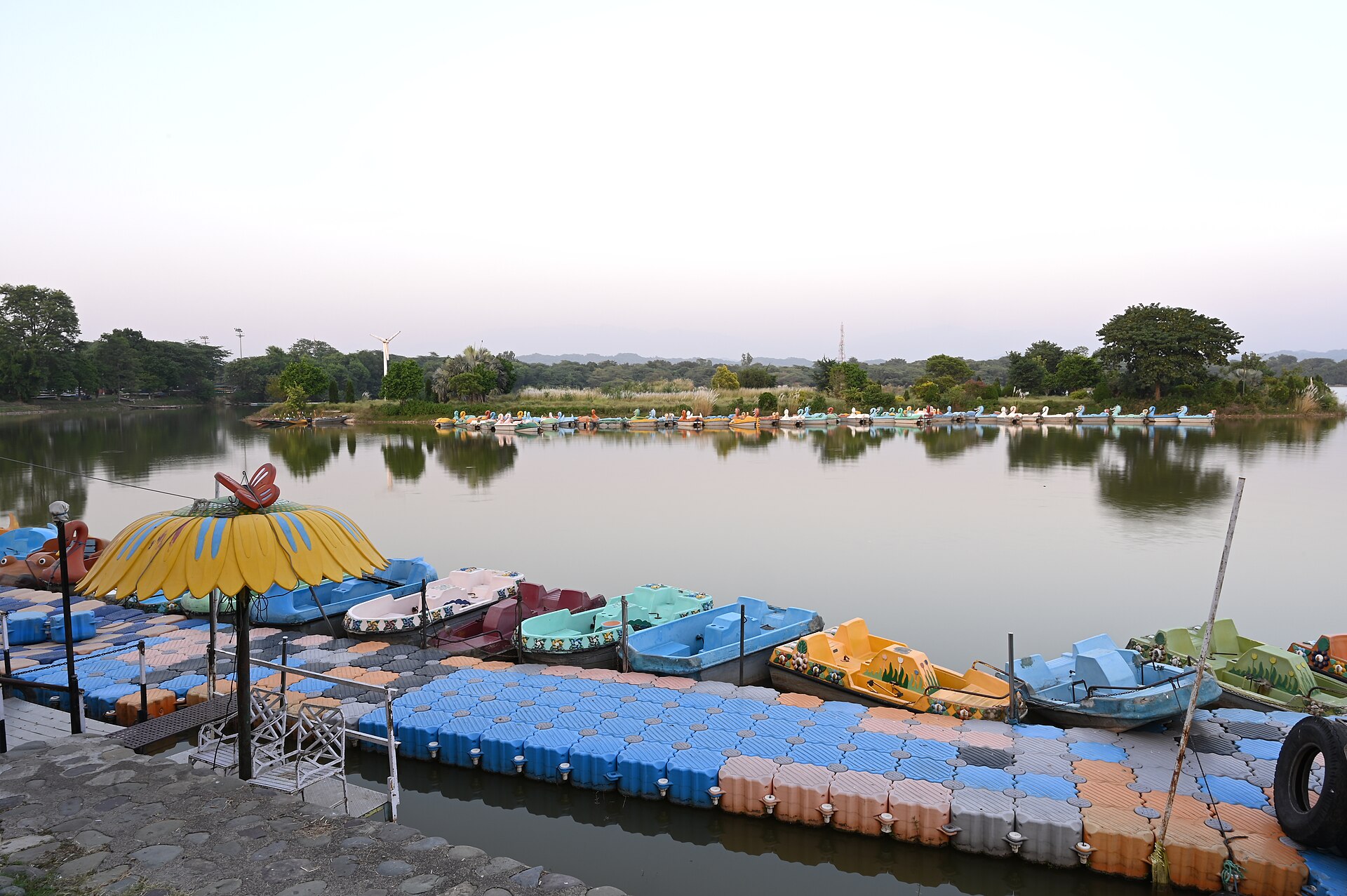
India’s list of internationally recognised wetlands just got longer. Environment Minister Bhupender Yadav announced on 15 October that two more sites, Sukhna Wetland in Chandigarh and Sauj Jheel in Uttar Pradesh, have been added to the Ramsar list, taking the number of India Ramsar sites to 103. It follows the milestone we covered when India crossed 100 Ramsar sites.
For Chandigarh, the news is a first. The city’s best-known landmark lake now carries the same global designation as places like Chilika and Keoladeo. For Uttar Pradesh, Sauj Jheel adds another wetland to a state that already hosts a long list of bird-rich lakes and marshes.
What a Ramsar listing actually means
The Ramsar Convention, signed in 1971, is the international treaty for the conservation and wise use of wetlands. A site on the list is a wetland recognised as internationally important, usually for the birds, fish, plants or communities that depend on it. Importantly, a listing is not a legal ban on all use. It is a commitment by the country to manage the site so its ecological character does not decline, and it brings attention, monitoring and often funding to local conservation.
Why wetlands deserve the attention
In his social media post, Mr Yadav framed the additions around three benefits: conserving biodiversity, strengthening water and climate security, and sustaining local livelihoods. These are not abstract. Wetlands:
- Recharge groundwater and buffer floods by soaking up and slowly releasing monsoon water.
- Provide winter homes to migratory waterbirds travelling along the Central Asian Flyway.
- Store carbon in their waterlogged soils and vegetation.
- Support fishing, grazing and tourism for nearby communities.
Sukhna and Sauj: two different wetlands
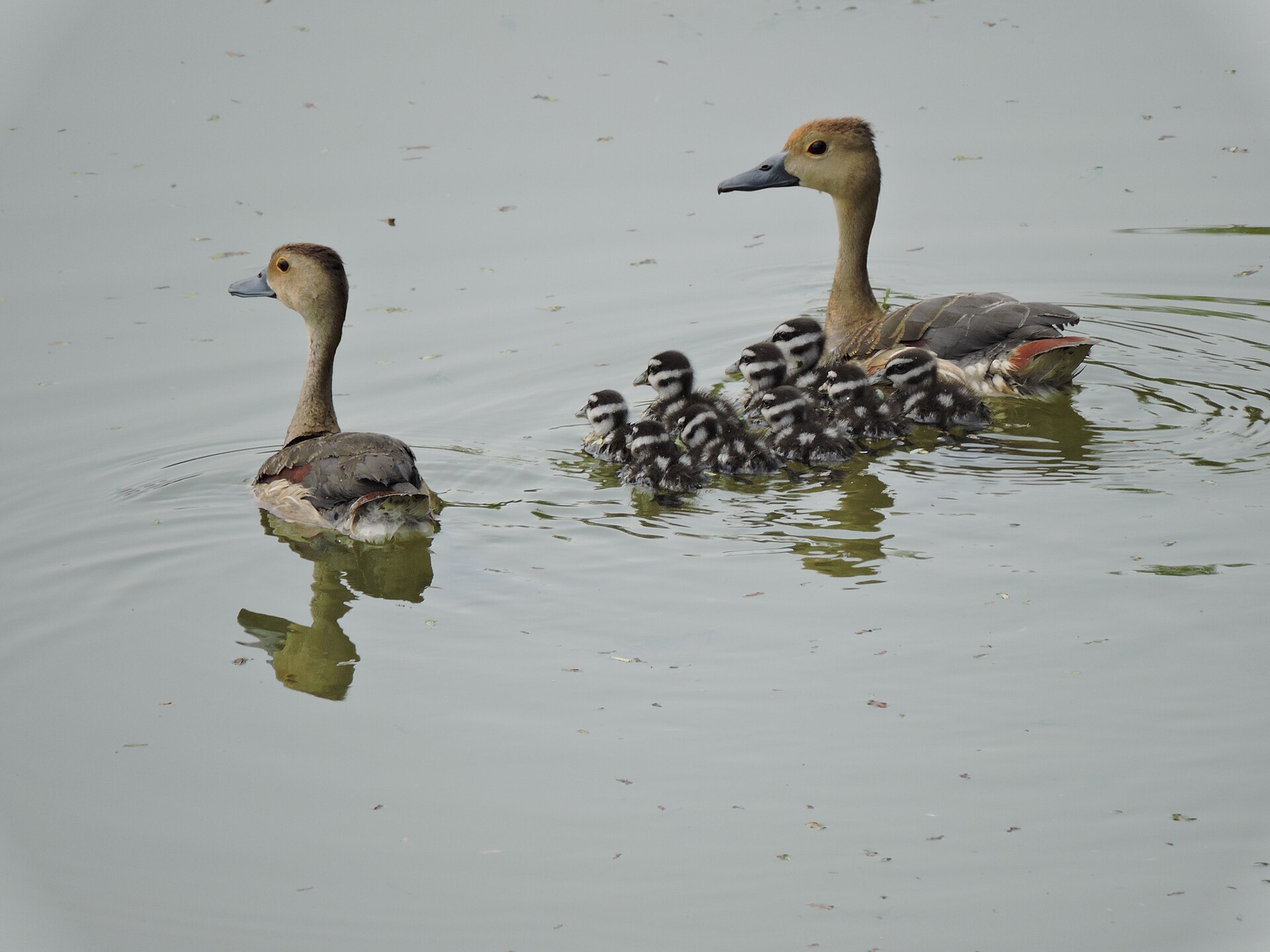
Sukhna is a man-made lake at the foothills of the Shivaliks, created in 1958 as part of Chandigarh’s original plan. Its shoreline attracts migratory birds every winter, and because it sits inside a busy city, its management is a daily balancing act between recreation, silt control and wildlife. Sauj Jheel, in Uttar Pradesh, brings a different landscape into the Ramsar fold. Both do quiet ecological work, which is precisely the point of the designation.
The Minister also invited travellers to visit both sites, a reminder that low-impact nature tourism is one way wetlands can help pay for their own protection.
The listing is a number, the work is the management
India has added Ramsar sites at a rapid clip in recent years, and 103 gives the country a substantial network. But the list only counts if each wetland keeps its water quality, its inflows and its encroachment pressure in check, a theme that also runs through the India-Germany wetlands declaration. For readers, the practical takeaways are close to home: wetlands near you probably have a local friends group, a bird count or a clean-up that needs volunteers, and these small efforts are what keep a Ramsar tag meaningful. Explore more on our environment sustainability pages.