

Bamboo products are everyday items made from the fast-growing bamboo grass, from toothbrushes and straws to tiffin boxes, furniture and flooring. India is one of the world’s largest bamboo growers, and the material is now replacing plastic in kitchens, bathrooms and workplaces. This guide explains the main types of bamboo products, why bamboo is considered sustainable, and what to check before you buy.
Why Bamboo Is a Sustainable Material
Bamboo is a grass, not a tree. Many species reach harvestable size in three to five years, whereas timber trees can take decades. Cutting a mature culm does not kill the plant, because the roots send up new shoots every year. As a result, a well-managed bamboo clump can be harvested again and again without replanting.
Bamboo also needs little help to grow. It usually thrives without heavy fertiliser or pesticides, and its dense roots hold soil in place on slopes and riverbanks. Furthermore, bamboo products biodegrade at the end of their life, unlike the single-use plastics they replace. You can read more about reducing plastic in our waste section.
Common Types of Bamboo Products
Bamboo is surprisingly versatile. These are the categories you will see most often in India.
n- Personal care: toothbrushes, combs, razors and cotton-bud sticks.
- Kitchen and dining: straws, cutlery, chopping boards, tiffin boxes and serving trays.
- Furniture and decor: chairs, shelves, lamps, partitions and baskets.
- Building material: flooring, wall panels, scaffolding and engineered bamboo timber.
- Crafts and daily use: baskets, mats, hand fans, incense sticks and musical instruments.
- Gadgets and gifts: phone stands, passive speakers and desk organisers.
Bamboo Straws and Kitchenware
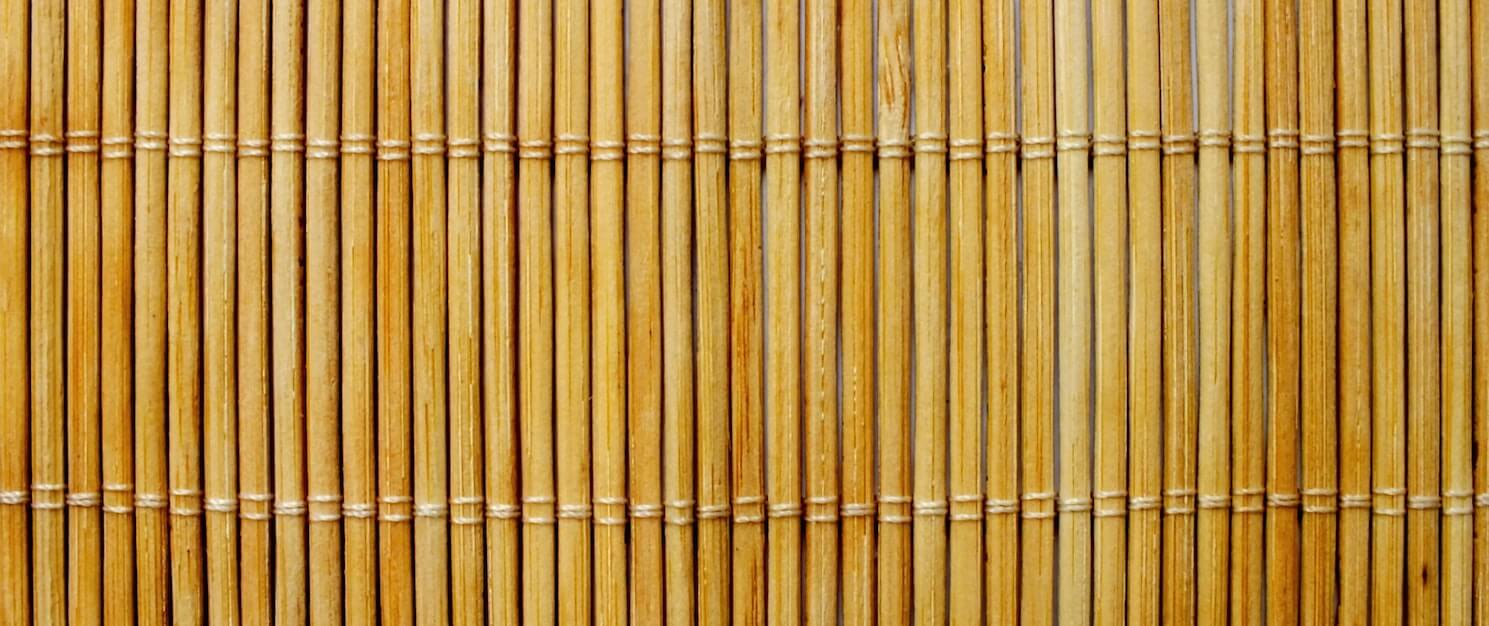
Straws are among the easiest swaps. A reusable bamboo straw can be washed and used for months, and it avoids the plastic straws that rarely get recycled. Look for straws that are smooth inside, sealed with food-safe finish, and sold with a small cleaning brush. Our page on bamboo straws explains how they are made and cared for.
Toothbrushes and Personal Care
Billions of plastic toothbrushes are thrown away each year, and each one takes a very long time to break down. A bamboo toothbrush handle is compostable once you remove the bristles. See our guide to the best eco-friendly bamboo toothbrush in India or read about the Terrabrush bamboo toothbrush.
Bamboo Timber and Furniture
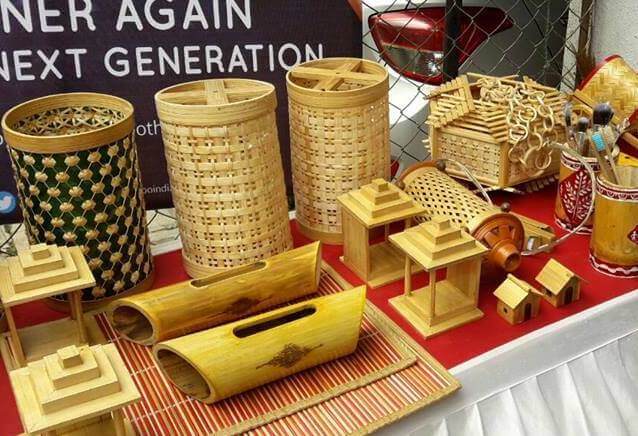
Bamboo can also stand in for hardwood. Treated and laminated bamboo is strong enough for flooring, panels and furniture, and it takes far less time to grow than teak or sal. Pune-based startup Bamboo India works to change the image of bamboo from a poor man’s timber to a wise man’s timber by replacing wood and plastic with treated bamboo.
Bamboo Crafts and Livelihoods in India
Bamboo is deeply tied to rural livelihoods, especially in the North East, Odisha, Maharashtra and Madhya Pradesh. Artisans weave baskets, mats and furniture by hand, and these skills pass from one generation to the next. Newer enterprises are also turning bamboo into modern goods. For example, Manipur startup Zogam Bamboo makes eco-friendly bamboo tiffin boxes that cut plastic use and support local craftspeople.
The Government of India supports the sector through the National Bamboo Mission, which promotes bamboo plantations, processing and markets. A Bamboo Market Page, The Green Gold Collection, was also launched on the Government e-Marketplace to help artisans sell to public buyers. The mission has even tracked the country’s agarbatti stick industry, a large user of bamboo.
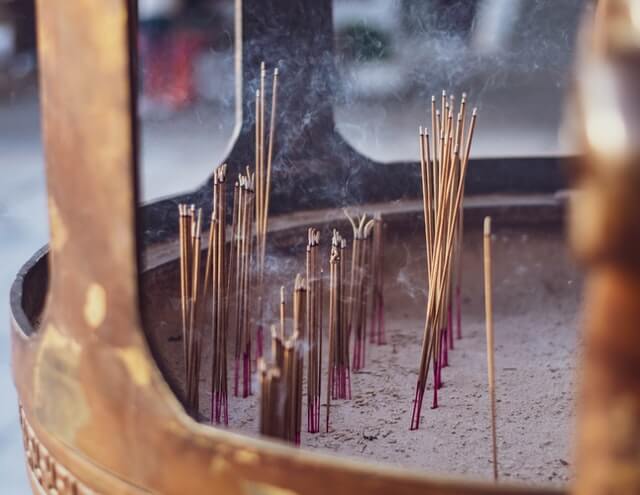
Bamboo sticks for incense are a good reminder that not every bamboo product is a luxury item. Small units across Assam, Tripura and other states cut, split and sort bamboo into thin sticks, which then go to incense makers. Better data on these units helps them find raw material and customers, and it keeps more of the value in the region where the bamboo grows.
How to Choose Genuine Bamboo Products
Not every item sold as bamboo is eco-friendly. Some products mix bamboo fibre with plastic resin or glue, which makes them hard to compost. A few simple checks will help you choose better.
n- Read the material label. Solid bamboo or bamboo timber is better than a bamboo and melamine blend.
- Ask about the finish. Food-contact items should use food-safe, non-toxic coatings.
- Check the source. Products from Indian artisans and local startups cut transport and support livelihoods.
- Look for repairable and long-lasting designs, because the most sustainable product is the one you keep using.
- Choose plastic-free packaging when you buy online.
Be wary of vague claims such as “100% green” without any detail. Honest sellers explain what the product is made of and how to dispose of it.
Limits to Keep in Mind
Bamboo is a good material, but it is not a cure-all. Plantations that replace natural forest harm biodiversity, and processing bamboo into fibre or laminated boards can use chemicals and energy. In addition, bamboo items that are shipped over long distances carry a transport footprint. Therefore, the best choice is bamboo that is grown and made close to home, used for a long time, and composted or repaired at the end of its life.
Frequently Asked Questions
Are bamboo products really eco-friendly?
Mostly yes, when they are made of solid bamboo with a safe finish. Bamboo grows quickly, needs few inputs and biodegrades. Products blended with plastic resins are a weaker choice.
How long do bamboo products last?
It depends on the item and the care. Kitchen items last longer if you wash them by hand, dry them fully and avoid soaking them. Furniture and flooring made of treated bamboo can last for many years.
Can bamboo products be composted?
Raw and lightly finished bamboo, such as a toothbrush handle or a straw, will break down in a compost pile over time. Remove any plastic bristles, metal parts or thick coatings first.
Which Indian states grow the most bamboo?
Bamboo grows across much of India, and the North Eastern states, Madhya Pradesh, Maharashtra and Odisha are among the leading regions. The North East in particular has a long tradition of bamboo craft.
Small Swaps, Lasting Impact
Switching to bamboo products is an easy way to cut plastic from your daily routine, and it supports artisans who work with a renewable material. Start with one item, such as a toothbrush or a straw, and build from there. Explore more ideas in our sustainable living section.