
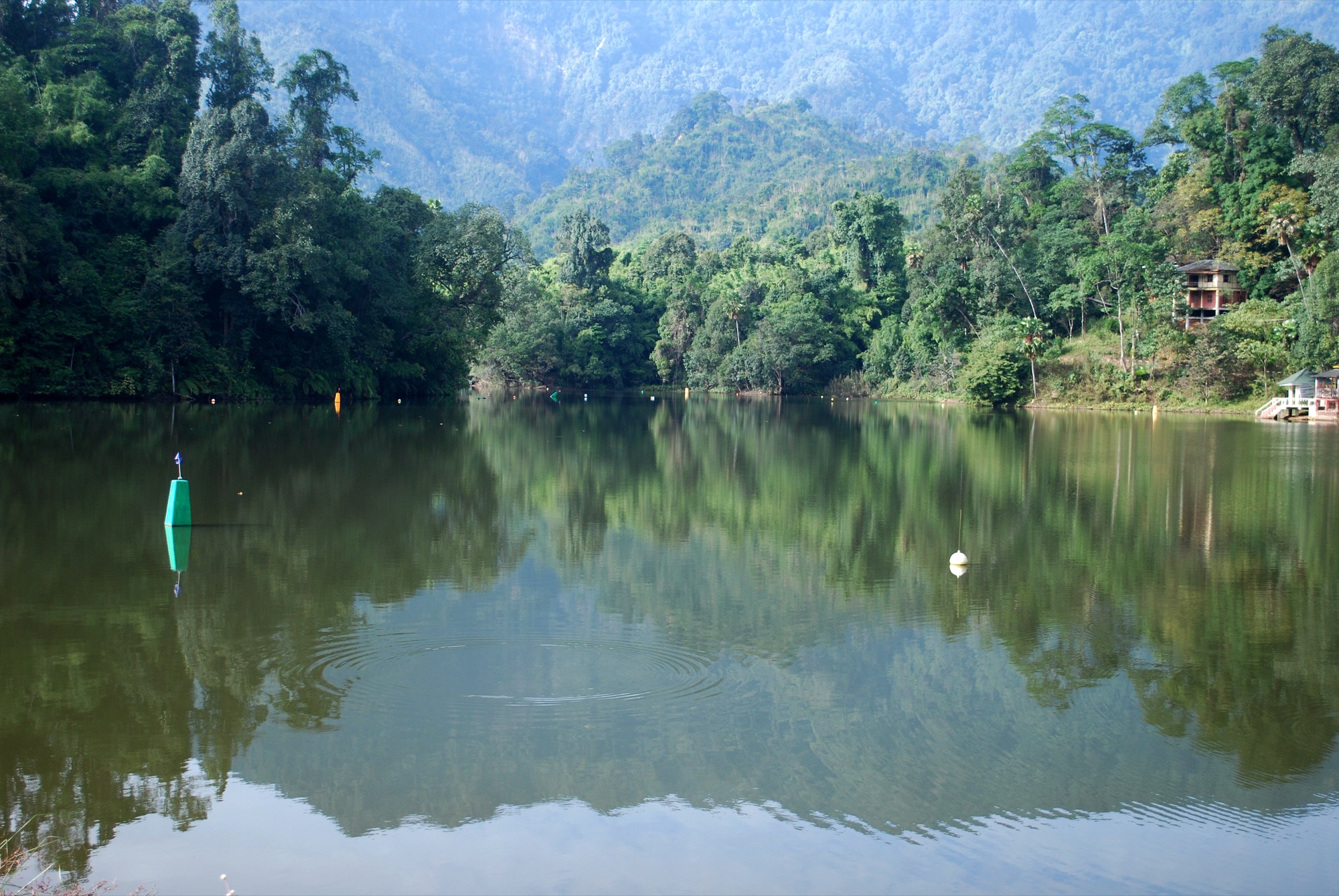
A number like “101” can slide past easily in a press release. But India’s 101st Ramsar Site is worth pausing on, because it marks something the country has been building toward for over a decade, one wetland at a time.
Union Environment Minister Bhupender Yadav announced this week that Glaw Lake in Arunachal Pradesh has been designated as a Ramsar Site — a wetland recognised under the international Ramsar Convention as being of global ecological importance. It’s the state’s first such site, and it pushes India’s total past the century mark for the first time. In 2014, the country had 26 Ramsar Sites. Twelve years later, it has 101 — roughly a fourfold increase, and among the fastest expansions of any Ramsar network in the world over that period.
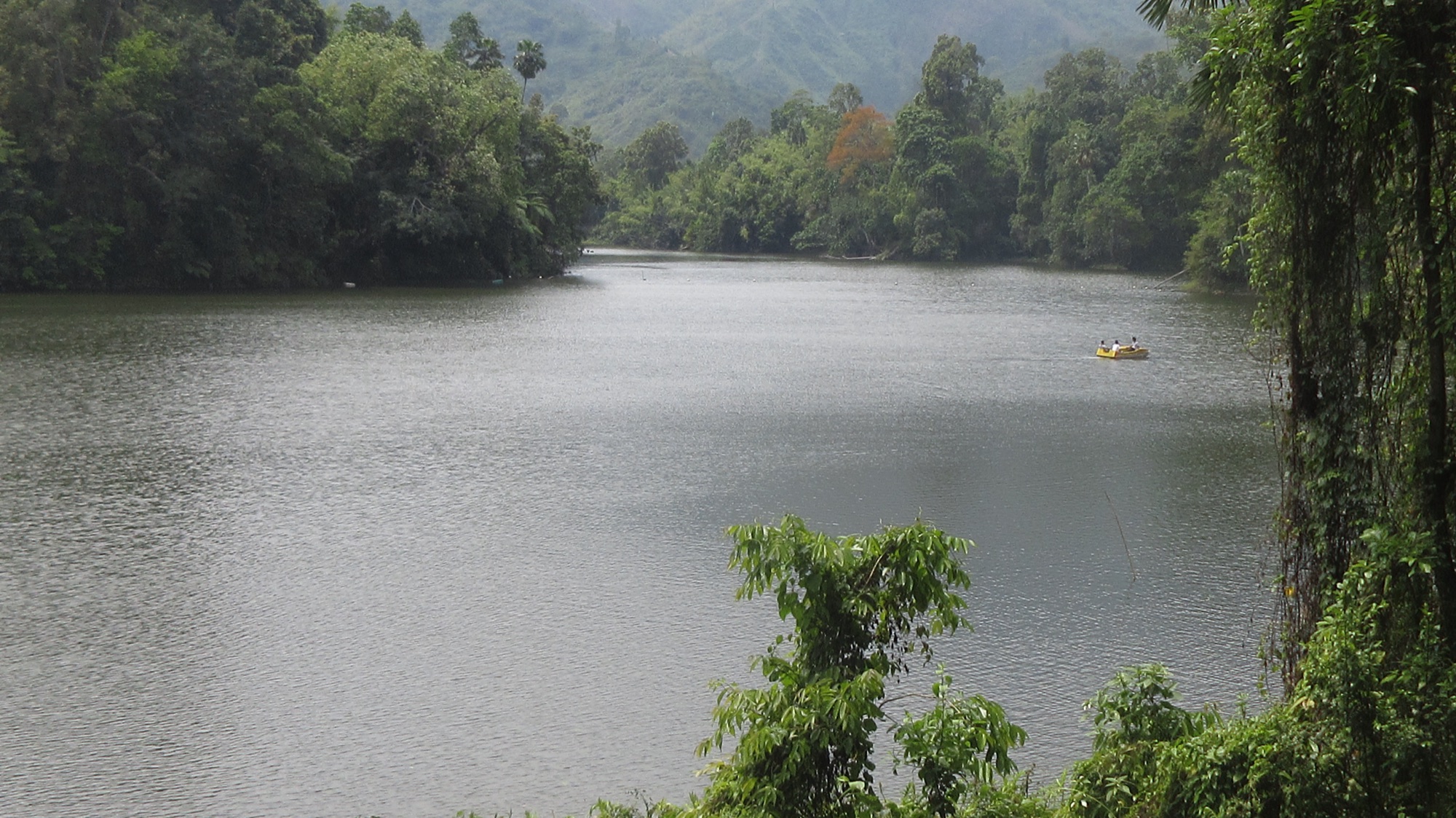
Glaw Lake itself is a small, striking piece of that story. It sits inside the Kamlang Tiger Reserve and Wildlife Sanctuary in Arunachal Pradesh’s Lohit district, close to the Myanmar border — one of the easternmost points of the Eastern Himalayan biodiversity hotspot, a region recognised globally as one of the richest and most threatened concentrations of plant and animal life on Earth. The lake is fed by perennial mountain streams and, according to the Ministry, its catchment supports more than 150 recorded tree species and 49 orchid species.
That density of plant life isn’t incidental — it’s exactly the kind of ecosystem the Ramsar Convention was designed to protect. Kamlang Tiger Reserve, notified as India’s 50th tiger reserve in 2017, already hosts tigers, clouded leopards, red pandas, and one of the rarest birds on the planet, the white-bellied heron, of which fewer than 250 are believed to survive in the wild worldwide. A wetland sitting inside that landscape functions as a linchpin — a water source for the surrounding forest, a refuge for migratory and resident birdlife, and, increasingly, a subject of scientific interest for what an intact high-altitude wetland can tell researchers about climate resilience in the Eastern Himalayas.
What “Ramsar Site” actually means
The Ramsar Convention, signed in the Iranian city of Ramsar in 1971, is the oldest global environmental treaty still in force. It doesn’t hand out designations lightly: a wetland has to meet at least one of nine criteria — supporting rare or threatened species, hosting significant numbers of waterbirds, representing a rare wetland type, or playing an outsized role in a river basin’s hydrology, among others. India ratified the convention in 1982, but for its first three decades as a signatory, the country added Ramsar Sites slowly and sporadically.
That changed after 2014. Ninety-eight of India’s current Ramsar total have been designated in roughly the last decade — including 13 new sites added across 2025 and 2026 alone, among them Chhari-Dhand wetland in Gujarat and Patna Bird Sanctuary in Bihar. The acceleration reflects a deliberate policy push: state forest departments have been actively nominating candidate wetlands, and the Ministry has streamlined the documentation process that used to slow nominations down.
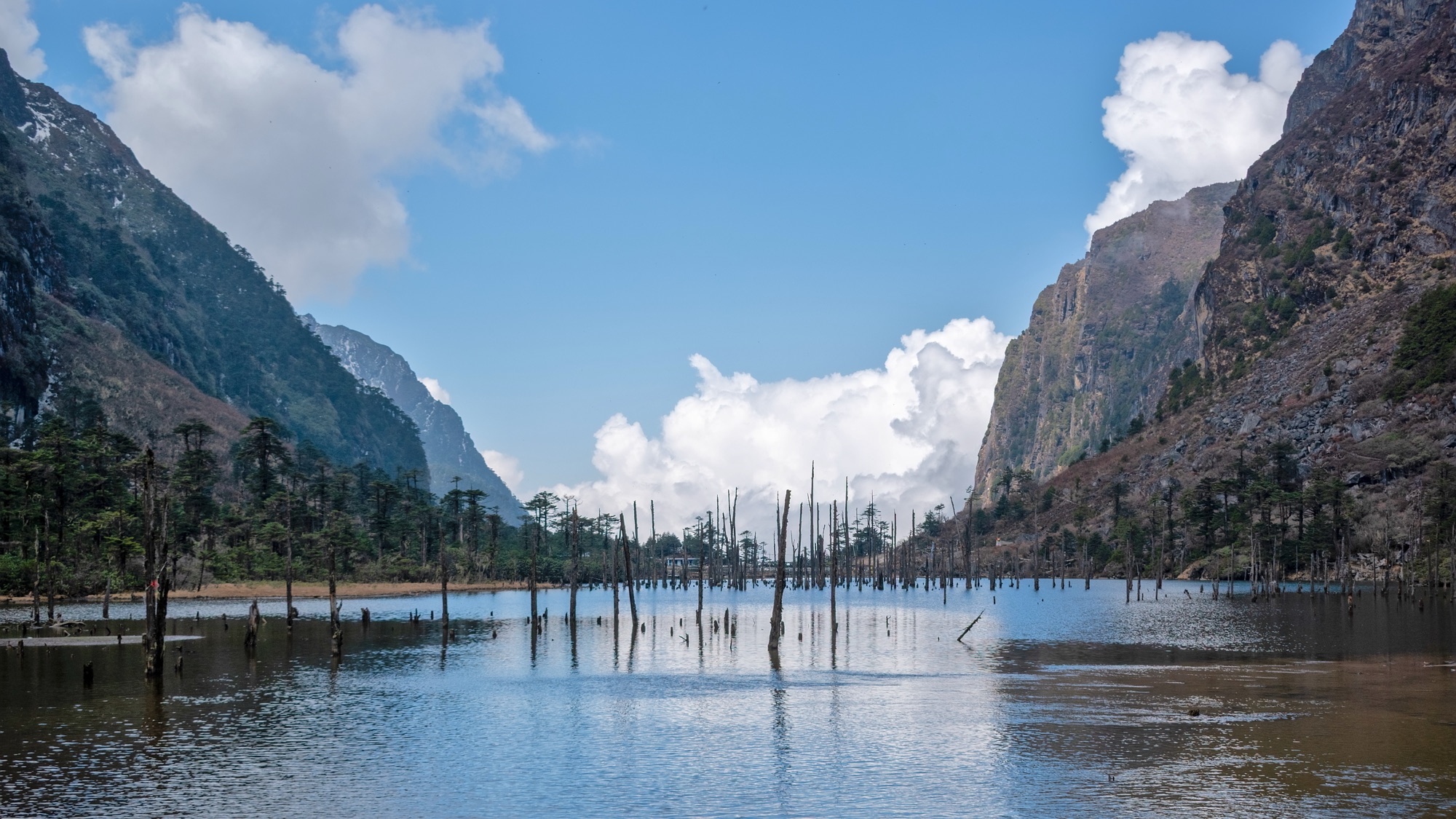
Together, India’s 101 Ramsar Sites now cover close to 1.4 million hectares — an area larger than the state of Goa many times over — spanning everything from Himalayan high-altitude lakes to Gujarat’s saline wetlands to the mangrove-lined estuaries of the Sundarbans. Each designation brings a wetland under a management framework that, at least on paper, requires monitoring of water quality, restrictions on activities that would degrade the site, and periodic reporting back to the international Ramsar Secretariat.
Why wetlands matter more than their size suggests
It’s easy to think of forests as the default symbol of conservation and treat lakes and marshes as scenery. But wetlands do disproportionate ecological work relative to the land area they occupy. They recharge groundwater, buffer against both floods and droughts by absorbing and slowly releasing water, filter pollutants and sediment before they reach rivers, and sequester carbon at rates that, per hectare, can rival or exceed tropical forests — a fact increasingly relevant as India tightens its own climate accounting under net-zero commitments. Wetlands are also disproportionately important for biodiversity: despite covering under 6% of the Earth’s land surface, they support roughly 40% of all known plant and animal species at some point in their life cycle.
For a state like Arunachal Pradesh — heavily forested, sparsely populated, and increasingly recognised as an ecological asset for the whole Northeast — having its first internationally recognised wetland inside an active tiger reserve is also a statement about how conservation priorities are being framed there: not forests versus wetlands versus wildlife corridors as separate boxes to tick, but as one interconnected landscape worth protecting as a whole.
The gap between designation and protection
Ramsar status is a beginning, not an endpoint — a point conservationists watching India’s rapid site expansion have made consistently. Designation confers international recognition and a management obligation, but the practical, on-the-ground work of keeping a wetland healthy — regulating catchment land use, controlling pollution, managing tourism, engaging surrounding communities — falls to state forest departments and local administrations, and the resourcing and follow-through varies considerably from site to site. India crossing 100 designations is a genuinely significant number by international standards; what happens at each of those 100-plus sites over the next decade is the harder, slower story that doesn’t come with a press release.
Still, for Glaw Lake and the Kamlang landscape around it, the designation puts a small Himalayan freshwater lake on a list that comes with visibility, a modicum of international accountability, and — ideally — a stronger claim on the resources needed to keep it, and the tiger reserve around it, intact.
Source: Press Information Bureau, Government of India — Glaw Lake becomes Arunachal Pradesh’s First Ramsar Site; India’s Ramsar Sites tally reaches 101
For more sustainability news from India, explore Prakati’s ongoing coverage of environment and conservation stories.