
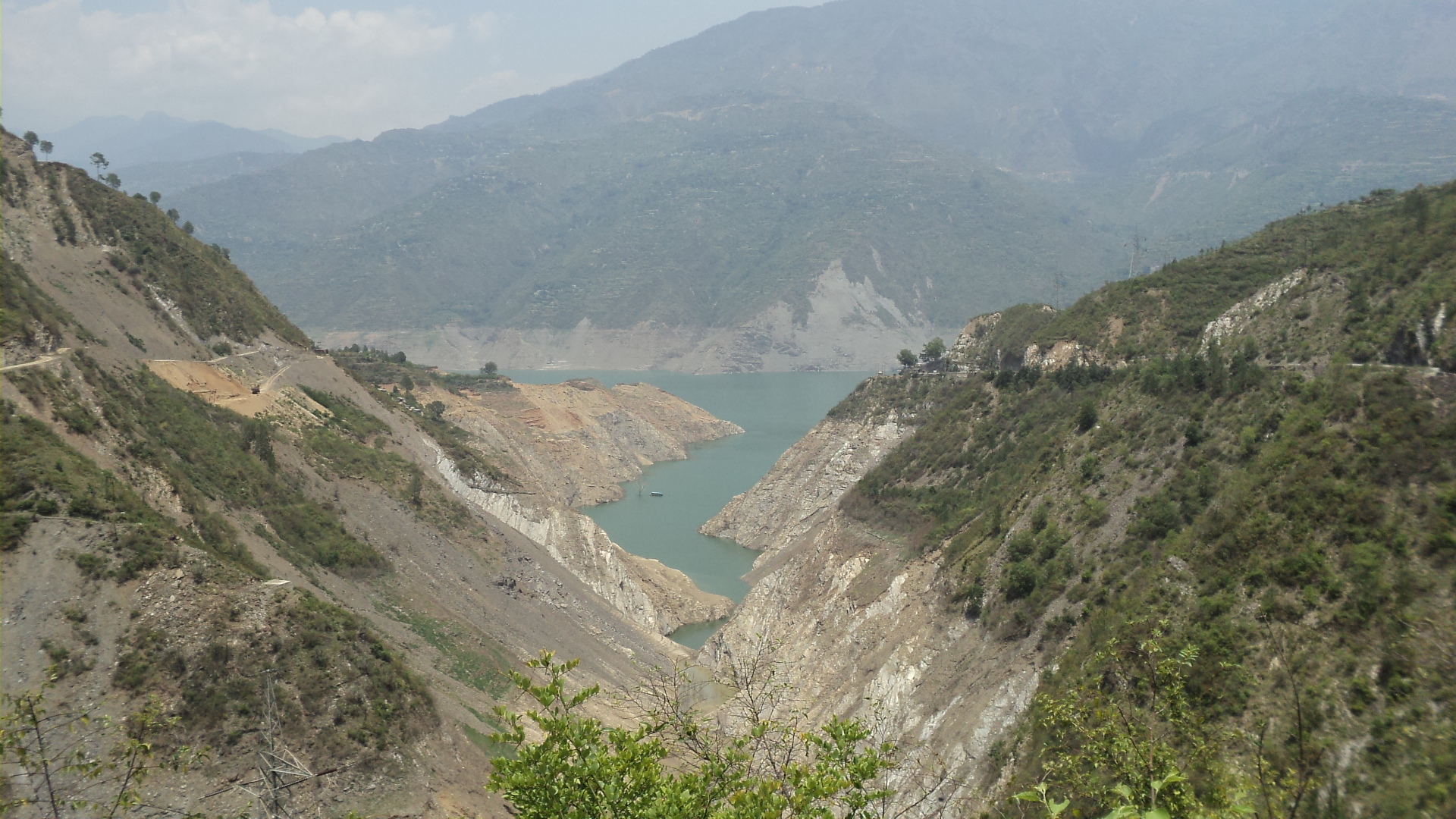
When the sun sets, solar panels go quiet. When the wind drops, turbines slow. The oldest answer to that problem is also one of the simplest: use surplus electricity to pump water uphill, then let it run back down through turbines when the grid needs power. That is pumped storage hydropower, often called a “water battery”, and a new Government of India backgrounder lays out how big India wants pumped storage hydropower to get.
Why storage is the next bottleneck
India crossed 300 GW of non-fossil electricity capacity as of July 2026, adding around 55.29 GW in FY 2025-26, and is aiming for 500 GW by 2030. Solar and wind output swings with weather and time of day, so every new gigawatt raises the question of where surplus power goes. The Central Electricity Authority (CEA) projects 73.93 GW of storage by 2031-32: 26.69 GW from pumped storage and 47.24 GW from battery systems. Batteries respond in seconds and sit close to demand; pumped storage shifts large volumes of energy over long hours. Our look at the Green Energy Corridor Phase III shows how the wider grid is being readied for this shift.
How a water battery works
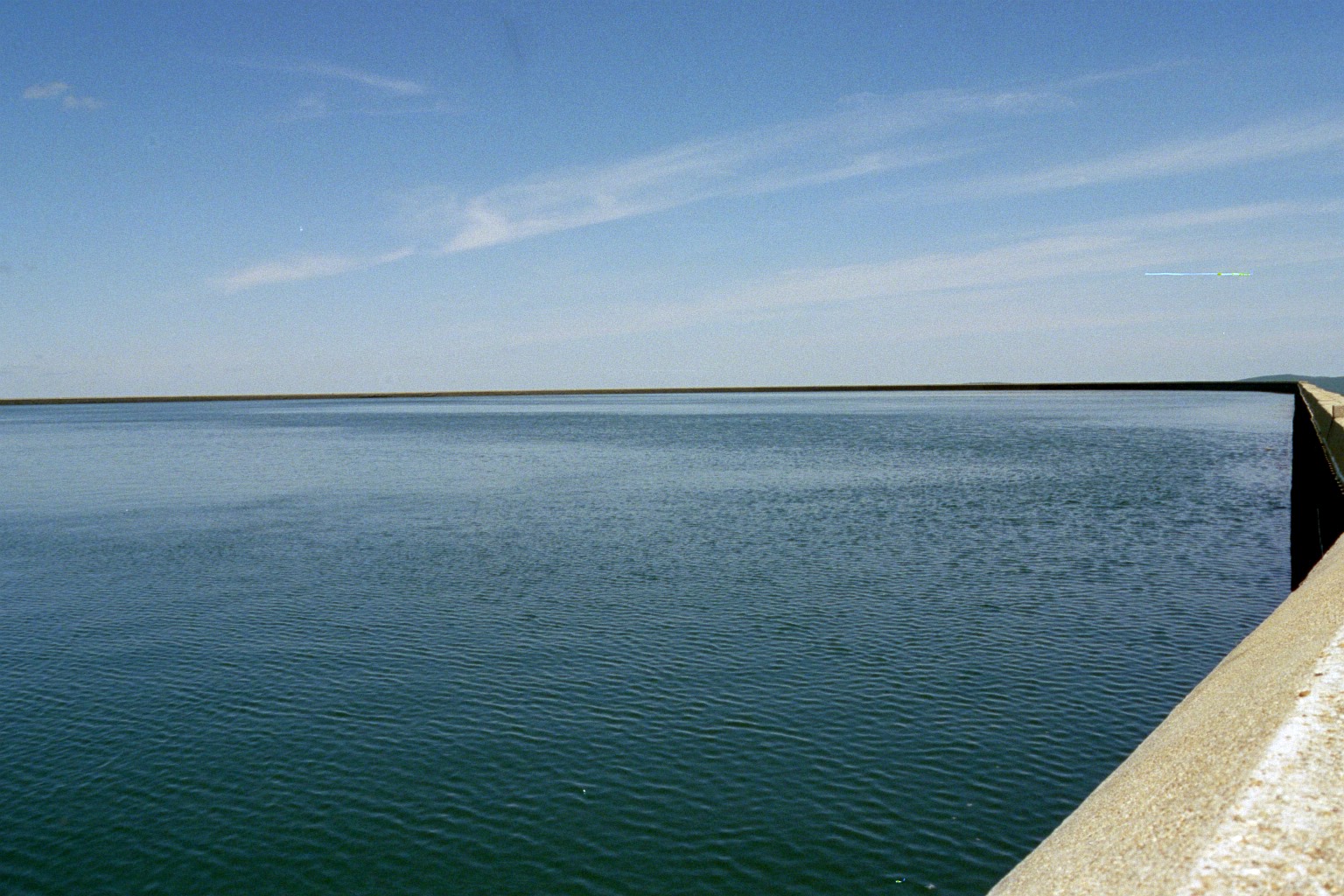
Two reservoirs sit at different heights. In surplus hours, water is pumped to the upper one, storing energy as height. At peak demand it flows down through turbines. The release describes three layouts: on-stream (both reservoirs on a river), off-stream open-loop (one on a river) and off-stream closed-loop (neither on a perennial watercourse). Officials say they are looking for more off-stream sites, which can be built faster and with less impact on river ecology.
The numbers
- Operating today: 7.43 GW across 10 projects (August 2026).
- Under construction: 15.87 GW across 11 projects.
- Cleared by CEA: 10.40 GW across 8 projects.
- Identified potential: 320 sites totalling 345.38 GW, of which 258 off-stream sites hold 288.71 GW.
- Target: 100.81 GW of additions by 2035-36, taking cumulative capacity to 105.56 GW.
Western India leads on potential (129.72 GW, with Maharashtra at 67.36 GW), followed by the South (97.76 GW), East (53.41 GW, Odisha 41.53 GW), North (50.32 GW) and North-East (14.18 GW). Globally, IRENA puts installed pumped hydro at 159.8 GW at the end of 2025.
What to watch
Annual additions in the plan jump from 2.92 GW in 2026-27 to 13.5 GW in 2029-30 and 21.19 GW in 2030-31, a steep ramp for projects that need dams, tunnels and careful siting. Water use, land and forest clearances and local communities will shape whether the pipeline arrives on time. Still, storage that can last for hours is what lets a grid lean on sun and wind without leaning on coal at night. Explore more on our sustainable energy pages and in India sustainability news.