
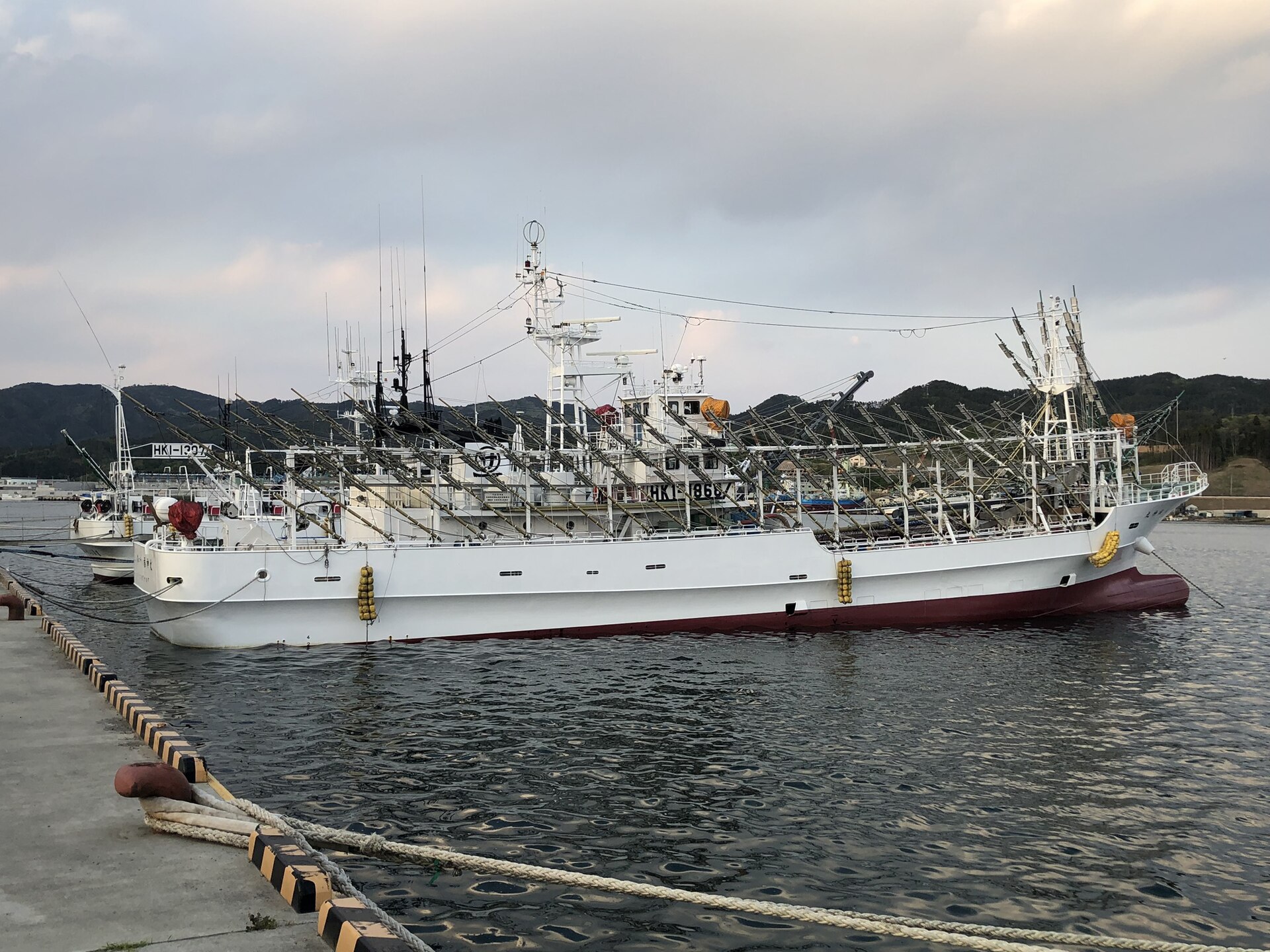
India is about to fish farther from home. The Central Government has approved India’s accession to the Southern Indian Ocean Fisheries Agreement (SIOFA), a regional pact that governs fishing for non-migratory species on the high seas of the southern Indian Ocean. The step follows India’s Guidelines for High Sea Fisheries issued in December 2025, which we covered in India opens its high seas to fishing.
What changes
India has been a Cooperating Non-Contracting Party to SIOFA since 2022, which meant limited say in the pact’s decision-making. As a full Contracting Party it can sit in key bodies such as the Scientific Committee and the Compliance Committee and gain access to scientific data, research programmes and stock assessments. Indian-flagged vessels will be able to fish, with authorisation, for squids, toothfish, alfonsino and other non-migratory stocks in the SIOFA area.
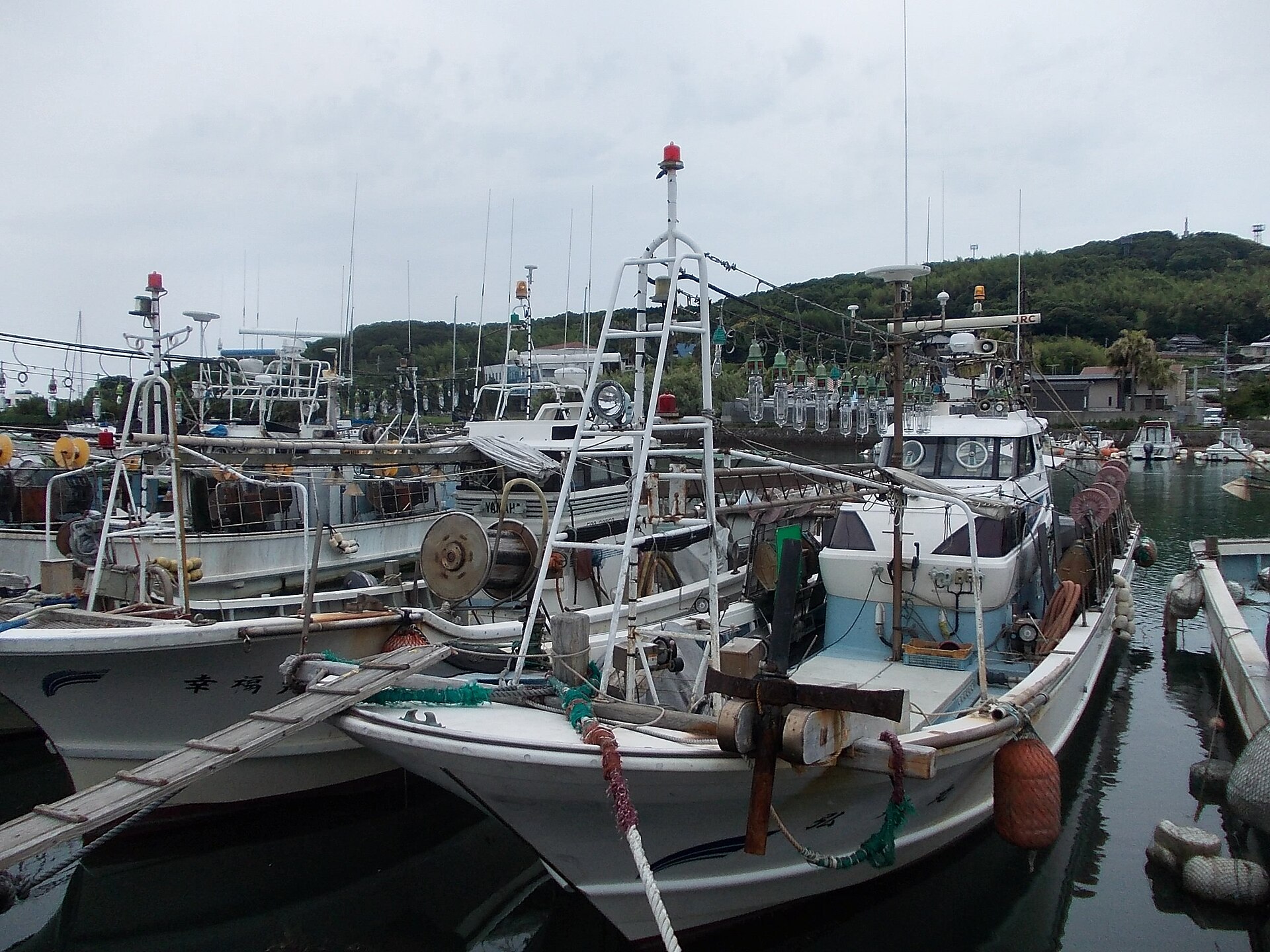
The government’s pitch is largely economic and strategic: Indian fishing vessels currently operate mostly within 60 to 80 nautical miles of the coast, and the high seas, about 65 percent of the global ocean, are dominated by five fleets (China, Taiwan, Japan, South Korea and Spain, per the release’s backgrounder). India already belongs to the Indian Ocean Tuna Commission, which covers tuna and tuna-like species; SIOFA covers other species.
The sustainability angle
The release says accession will let India contribute to the “sustainable harvest of High Seas resources”, join scientific assessments and help prevent illegal, unreported and unregulated (IUU) fishing, including through the High Seas Boarding and Inspection scheme. Those are real benefits of sitting at the table: rules on catch, observers and compliance are written by members.
But expanding capacity into deep-water fisheries also raises questions. Deep-sea species such as toothfish and alfonsino are generally slow-growing and recover slowly from overfishing, and deep-water gear can damage seabed habitats. SIOFA has measures to limit impacts on vulnerable marine ecosystems. How India builds its fleet, what observer coverage it accepts and whether it publishes catch data will determine whether this is sustainable or simply more fishing. Our look at four decades of Indian deep-sea research shows how much about these waters is still being learned.
What to watch
- Operational rules for Indian vessels under the 2025 high-seas guidelines.
- India’s positions in SIOFA’s Scientific and Compliance Committees.
- Whether the benefits reach small-scale fishers or mostly larger enterprises.
For consumers, the simplest lever is to ask where seafood comes from and to favour traceable, certified catches. More on this in our environment sustainability section.