
Somewhere in Haryana, a family that has spent generations breeding Murrah buffalo — one of the country’s most valuable dairy breeds — just received Rs. 4.30 lakh from the government. Not a subsidy, not a loan, and not compensation for a disaster. It’s a benefit-sharing payment, the reward for having conserved a genetic resource that a company or research institution later put to commercial use.
On July 31, the National Biodiversity Authority (NBA) announced it had released over Rs. 24 lakh in Access and Benefit Sharing (ABS) payments across a mix of individual conservers, institutions, and state biodiversity boards — a small but telling instalment in a mechanism that most people encountering India’s biodiversity policy for the first time don’t know exists.
The idea: whoever conserves it should share in what it earns
The premise behind ABS is simple even if the machinery behind it isn’t: when a company or research body uses a biological resource — a crop variety, a livestock breed, microbial cultures — for commercial gain, the people and institutions who maintained that resource in the first place are entitled to a fair, legally mandated share of the resulting value. It’s the biodiversity equivalent of a royalty payment, built into India’s Biological Diversity Act, 2002, specifically so that conservation isn’t treated as a public good that anyone can extract value from for free.
This latest round of payments illustrates the mechanism’s actual reach. The beneficiaries include a family-run Murrah buffalo farm in Haryana (Rs. 4.30 lakh), ICAR’s National Bureau of Plant Genetic Resources in New Delhi (Rs. 4.61 lakh), ICRISAT in Hyderabad (Rs. 5.36 lakh), ICAR’s National Bureau of Fish Genetic Resources in Lucknow, and eleven State Biodiversity Boards spanning Maharashtra, Gujarat, Telangana, Karnataka, Rajasthan, Andhra Pradesh, Madhya Pradesh, Haryana, Punjab, Odisha and Tamil Nadu — a spread that reflects just how many different kinds of biological material triggered these payments: hundreds of crop varieties including rice, mustard, wild mung bean, chilli, tomato, cucumber, carrot and okra; 627 varieties of pearl millet; 55 maize varieties; cotton varieties; and fish cell cultures used in scientific research.
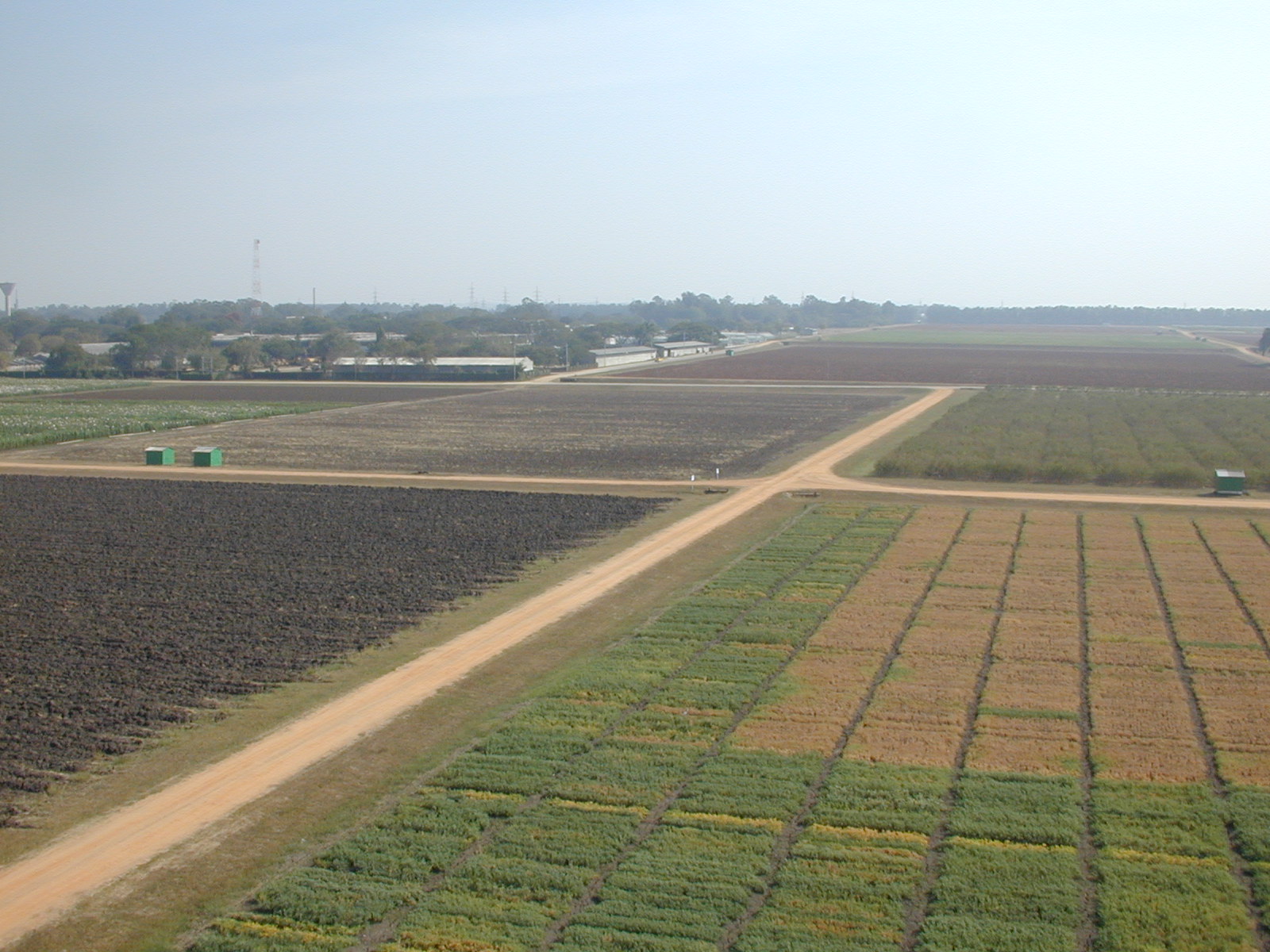
The beneficiaries include a family-run Murrah buffalo farm in Haryana, ICAR’s National Bureau of Plant Genetic Resources, ICRISAT in Hyderabad, ICAR’s National Bureau of Fish Genetic Resources, and eleven State Biodiversity Boards — reflecting how many different kinds of biological material triggered these payments.
Why cotton pays eleven states at once
One detail is worth pulling out: the ABS amount tied to cotton genetic resources gets distributed across all eleven cotton-growing states that contributed to the underlying genetic diversity, rather than to a single point of origin. That reflects a basic reality of crop genetics — a commercially valuable trait rarely traces back to one farm or one district, but to generations of selection and cultivation spread across an entire growing region. Structuring the payout to match that spread is a small design choice, but it’s the kind that determines whether a benefit-sharing law actually reaches the people who did the conserving, rather than being captured by whichever single claimant files the paperwork first.
A slow-building total that’s starting to add up
This release brings the NBA’s cumulative ABS disbursement to approximately Rs. 153 crore since the mechanism began operating — a modest figure set against India’s economy, but a meaningful one against the alternative, which is zero: a world where genetic resources conserved for free by farmers and breeders are extracted commercially with no return flowing back to them at all. The NBA has also been actively updating the regulatory scaffolding behind this system — new Access and Benefit Sharing Regulations notified in 2025 clarified how the framework applies to digital sequence information (genetic data shared or used without a physical sample changing hands) and simplified approval pathways for traditional-medicine research under the Ayush system, both areas where the original 2002 law had left ambiguity that slowed down legitimate researchers as much as it deterred bad-faith extraction.
The unglamorous economics of conservation
Benefit-sharing payments will never be the headline of India’s biodiversity story — tiger census numbers and forest cover reports get the attention. But this is the financial plumbing that makes long-term sustainable farming of agricultural and livestock diversity economically rational rather than purely altruistic. A farmer maintaining an unglamorous local buffalo lineage or a heirloom pearl millet variety, for decades, with no guarantee it will ever be worth anything, is doing exactly the kind of quiet stewardship that keeps India’s genetic diversity intact for whatever the next drought, disease, or breeding programme demands of it. A functioning benefit-sharing system is one of the few tools that turns that stewardship into something more durable than goodwill.
Rice joins the list: a second payout confirms the pattern
Two days after the Haryana buffalo-farm release, the National Biodiversity Authority Access Benefit Sharing mechanism produced a second, larger instalment — and this time rice, not livestock, was the resource in question. On August 2, the NBA released Rs. 8.22 crore in ABS payments tied specifically to Indian rice (Oryza sativa) varieties that an international seed company, M/s Pioneer Overseas Corporation, had used to develop and commercialise hybrid seed. It’s one of the largest single ABS disbursements for rice recorded so far.
Of the total, Rs. 2.47 crore went to the research institutions that conserved and supplied the underlying rice germplasm — ICAR-Indian Institute of Rice Research in Hyderabad received the largest share at Rs. 2.43 crore, with Govind Ballabh Pant University of Agriculture and Technology in Uttarakhand among the other recipients. The remaining Rs. 5.75 crore was distributed across 33 State Biodiversity Boards and Union Territory Biodiversity Councils, apportioned by each state’s rice-growing area — Uttar Pradesh received the largest single allocation at roughly Rs. 73.26 lakh, followed by West Bengal and Telangana, with smaller rice-growing states like Sikkim and the Andaman & Nicobar Islands also receiving proportionate shares.
Coming so soon after the buffalo and crop-variety payments described above, this rice-specific release is less a standalone event than confirmation that India’s biodiversity benefit-sharing mechanism is now operating as a routine, recurring pipeline rather than a one-off gesture. The NBA has disbursed nearly Rs. 83 crore in ABS payments from the agriculture and seed sector alone, and its cumulative total across all sectors has now crossed Rs. 162 crore — up from the roughly Rs. 153 crore figure just two days earlier. The research institutions plan to use their share to strengthen germplasm conservation and seed collections, while the State Biodiversity Boards will direct their allocations toward native crop diversity protection, ecosystem restoration, and support for the farmers and knowledge holders who kept these varieties alive in the first place.
Sources: Press Information Bureau, Government of India — “NBA releases over ₹24 Lakh as Benefit Sharing to Farmers, Research Institutions and State Biodiversity Boards”, Ministry of Environment, Forest and Climate Change, 31 July 2026; and “NBA releases Rs 8.22 crore to rice research institutions and rice-growing States”, Ministry of Environment, Forest and Climate Change, 2 August 2026.