
India has now notified the final CAFE-III fuel economy norms for passenger cars. Two months after circulating a draft, the Ministry of Power set the rules that apply from 1 April 2027 to 31 March 2032. They cover new passenger vehicles manufactured or imported for sale in India. We covered the draft in July, when the big story was how it started counting ethanol as carbon-neutral. This article explains what the final text keeps and what it adds.
The headline numbers in the CAFE-III fuel economy norms
The fleet-wide fuel-consumption benchmark tightens every year. It falls from 3.996 litres per 100 km in 2027-28 to 3.3273 litres per 100 km in 2031-32. That is an improvement of about 16.7 per cent over five years. The reference weight used in the formula also rises, from 1,082 kg to 1,229 kg, an increase of about 13.6 per cent. This change reflects today’s heavier fleet.
The target line has been flattened as well. As a result, lighter vehicles get relatively softer targets, while heavier vehicles must be more efficient. Manufacturers selling fewer than 1,000 units a year stay exempt.
How the final rules compare with the July draft
The core targets have not moved. Our July report cited the same 3.996 and 3.3273 litres per 100 km figures, a cut of roughly 17 per cent, and the same exemption for small makers. Three details do differ from what we wrote then:
- Compliance blocks: the draft described an initial three-year block followed by a two-year block. The final framework lets manufacturers opt for two-year or three-year blocks.
- Ethanol credit: the draft cited an 8 per cent carbon-neutral factor for ethanol at current blending levels. The PIB release for the final rules confirms a Carbon Neutrality Factor for ethanol-blended petrol, biofuels and compressed biogas, but does not state the final percentages. Check the gazette text for exact values.
- Small-car concession: reports say a proposed extra benefit for small petrol cars was dropped, with the flatter weight curve used instead.
More ways to comply with the new norms
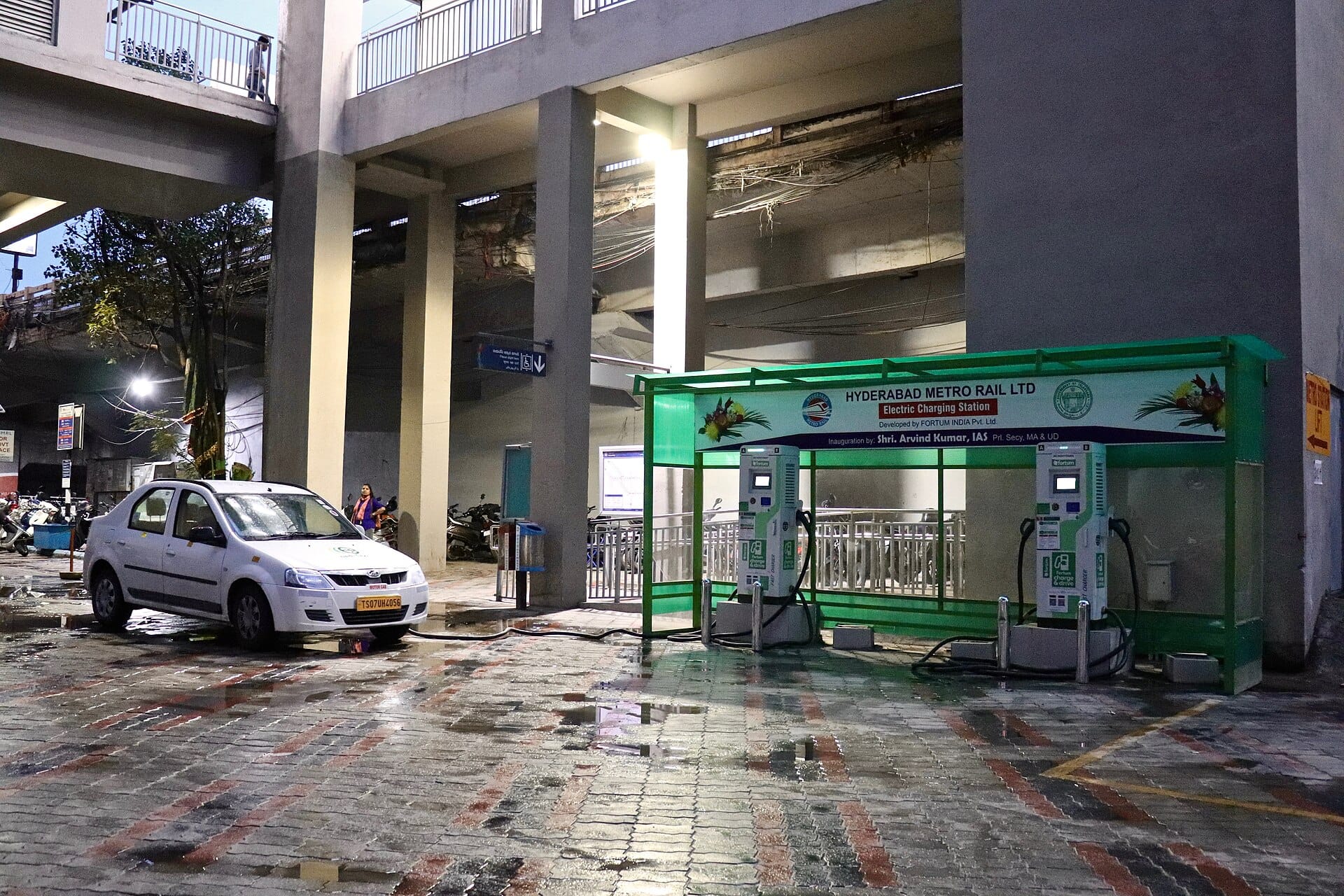
The framework is deliberately technology-neutral. Battery electric, range-extended, plug-in hybrid, strong hybrid and flex-fuel vehicles receive volume derogation factors, known as super credits, in fleet-average calculations. Trade reports put the multiplier at 3.0 for battery and range-extended EVs, 2.5 for plug-in hybrids, 1.6 for strong hybrids and 1.1 for flex-fuel vehicles. Those multipliers come from industry coverage, not from the PIB release itself.
The list of recognised fuel-saving technologies also grows from four to twelve. Each eligible technology earns a 1 g CO2/km concession, up to 9 g CO2/km in total. Examples include solar-reflective paints, advanced glazing and high-efficiency air-conditioning. In addition, credits can be carried forward within compliance blocks and traded between manufacturers. Makers with a gap can also buy credits through a Bureau of Energy Efficiency buyout mechanism. Reporting will use both the Modified Indian Driving Cycle and the global WLTP test procedure.
The debate around the CAFE-III fuel economy norms
The government says the norms support energy security and cleaner mobility. Independent analysts, including researchers who had argued for tougher targets, raise two concerns. First, weight-based targets can make compliance easier for heavier cars than for smaller, more efficient ones, which may favour SUVs. Second, generous multipliers for EVs and hybrids can reduce how many clean vehicles must actually be sold to meet the average. The industry body SIAM, meanwhile, has welcomed the multiple technology pathways.
Why it matters for cars and buyers
Passenger vehicles account for a substantial share of India’s transport energy demand. Fuel economy rules are one of the few levers that cut emissions from every new car, not only electric ones. A 16.7 per cent improvement over five years is meaningful, but modest next to the pace of electrification the country is aiming for. For buyers, the practical effect should be more efficient petrol cars, more hybrids and more competitively priced EVs as makers chase credits.
To see how the electric side of this story is growing, read how India’s EV sales grew 46x in a decade, or check what a home or public EV charging station costs. You can also explore more sustainable transport coverage and the latest India sustainability news on Prakati.
Source: Press Information Bureau, Government of India (Ministry of Power, 30 September 2026). Additional context from Autocar India and Rushlane. Images: Shagil Kannur and iMahesh, both CC BY-SA 4.0, via Wikimedia Commons.