
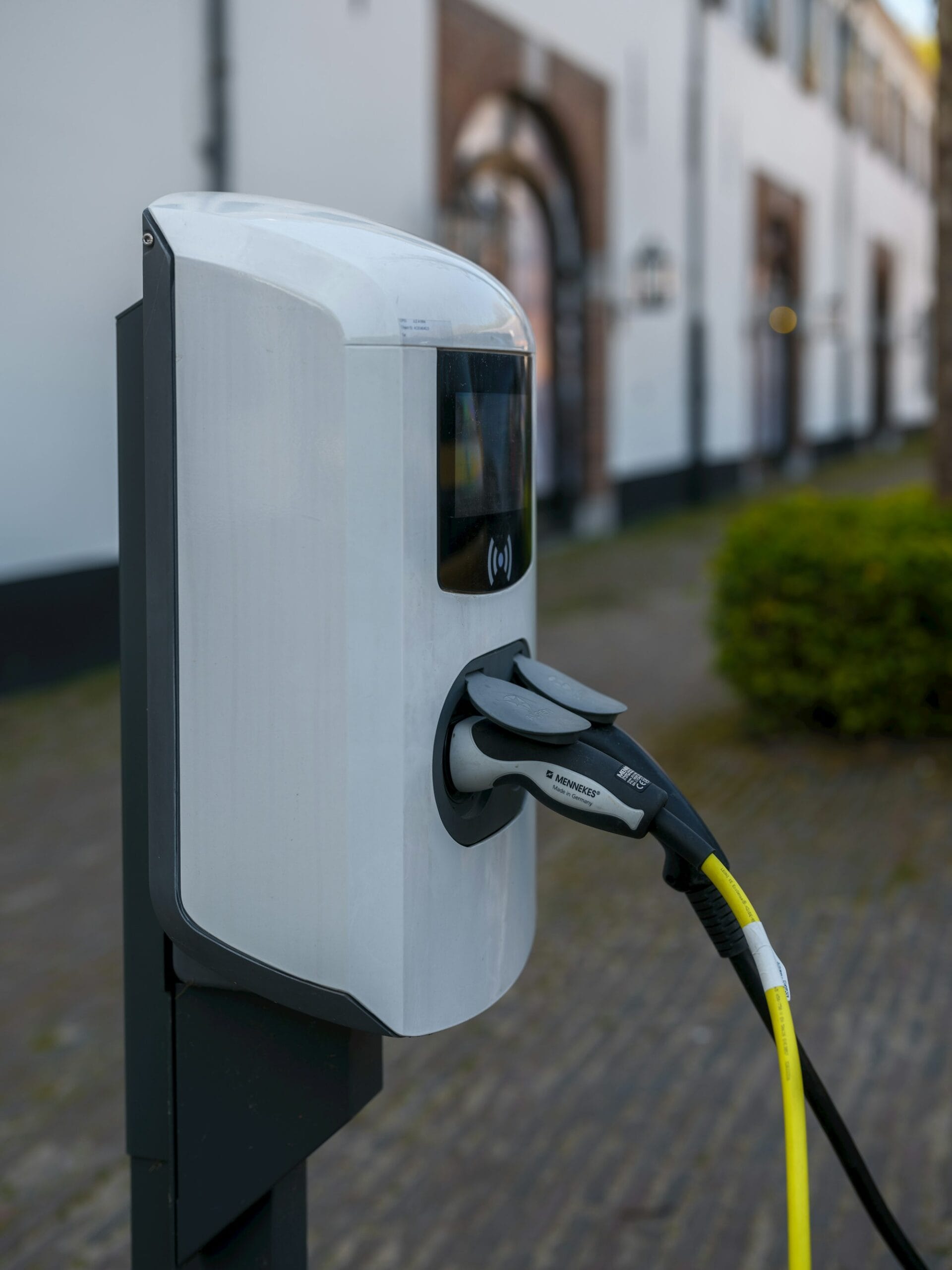
Anyone shopping for an electric vehicle in India this year eventually runs into the same question that isn’t answered clearly anywhere: what does it actually cost to charge it, and what does it cost to set up a charger at home or install one commercially? The numbers you see online range wildly — from a few thousand rupees to over a lakh — because “EV charging station cost” really covers three very different things: a home wall-box, a public charging point, and a commercial fast-charging station. This guide breaks down each one with real 2026 pricing.
Home EV Charger Cost in India (2026)
Most new EV buyers in India get a basic AC wall-box bundled free or heavily subsidised by the manufacturer — typically a 3.3 kW or 7.2 kW unit. If you need to buy and install one separately, budget for two components: the charger hardware and the electrical work.
- Basic 7.2 kW AC wall-box (hardware only): ₹35,000–₹45,000
- Smart, app-connected wall-box: ₹45,000–₹65,000
- Installation (wiring, MCB, earthing, labour): ₹5,000–₹15,000, more if a load upgrade from your DISCOM is needed
- Total realistic home setup: ₹40,000–₹1,20,000, though most buyers who accept the OEM-bundled charger spend closer to ₹20,000–₹30,000 out of pocket
A 7.2 kW home charger adds roughly 35–40 km of range per hour, which means an overnight charge (6–8 hours) is enough to fully top up most passenger EVs sold in India today. Before installing any home charger, check your existing electrical load with your DISCOM — older homes wired for a 5–10 kW sanctioned load often need an upgrade, which is where installation costs can climb.
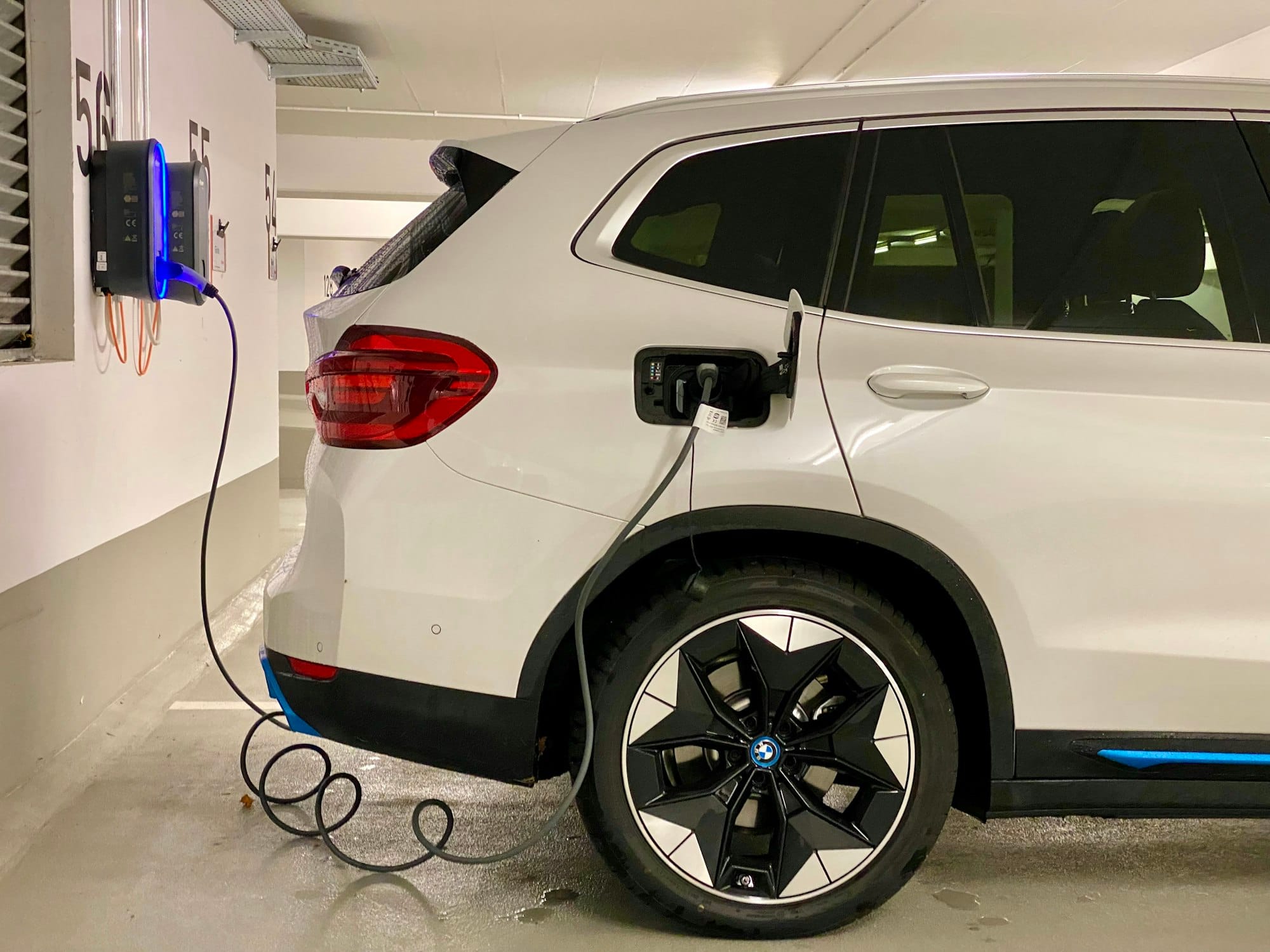
A wall-mounted home charger is the single most convenient way to own an EV — plug in overnight and start every morning with a full battery, without ever queuing at a public station.
Public and Commercial EV Charging Station Cost
Setting up a public-facing charging station — at a housing society, office, mall, or standalone forecourt — is a different scale of investment, and depends heavily on whether you’re installing AC (slow) or DC (fast) chargers.
- AC charging point (7.2–22 kW): ₹1.5–₹4 lakh per unit, including civil work and a metered connection
- DC fast charger (30 kW): ₹10.9–₹14.65 lakh for a full setup — hardware, civil work, electricity connection, land, and billing software
- DC fast charger (60 kW and above): can run upward of ₹20–₹25 lakh depending on capacity and site preparation
Land and grid connection charges vary significantly by state and DISCOM, and often end up being a larger share of the total cost than the charger hardware itself — especially where a new high-capacity electricity connection has to be sanctioned from scratch.
Government Support: PM E-DRIVE and Charging Infrastructure Subsidies
India’s EV ecosystem is backed by the PM E-DRIVE scheme, which earmarks ₹2,000 crore specifically for expanding public charging infrastructure, targeting roughly 72,000 new chargers nationally — split across about 22,100 chargers for four-wheelers, 48,400 for two- and three-wheelers, and 1,800 for e-buses. Eligible applicants (government bodies, CPSEs, private companies, and individuals via partnerships) can receive support covering a meaningful share of project cost, subject to conditions like public accessibility and compliance with Ministry of Power charging guidelines.
For anyone installing a charging station commercially, the practical first step is applying for an EV-tariff category connection through your local DISCOM — this typically unlocks a lower per-unit electricity rate specifically for EV charging compared to a standard commercial connection.
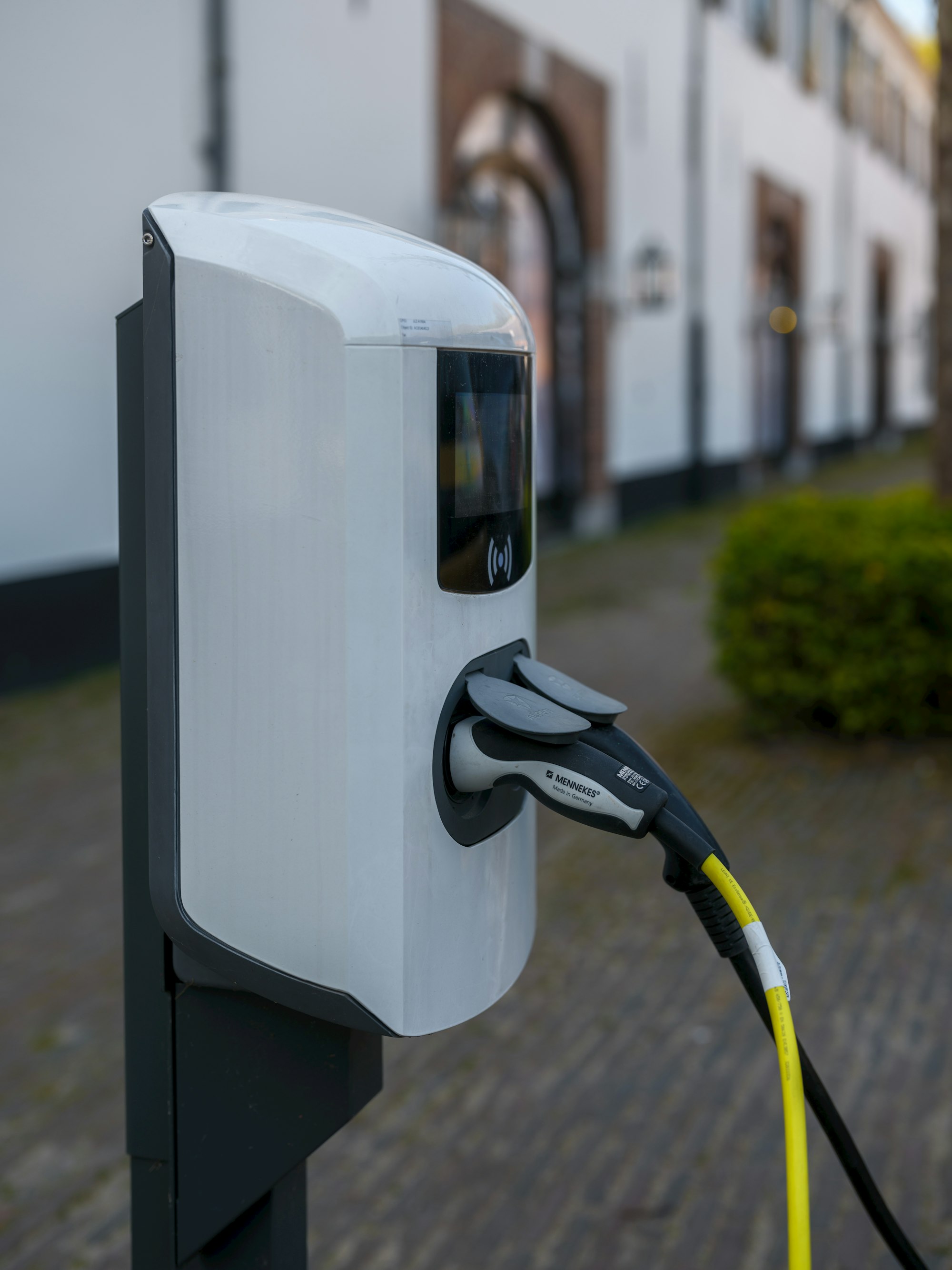
Public charging infrastructure is expanding fast across Indian cities, but land, grid connection, and civil work — not the charger hardware — are usually the biggest line items in the total cost.
Cost Per Kilometre: Home vs. Public Charging
Once the charger is installed, the ongoing running cost is where EVs pull ahead of petrol and diesel vehicles decisively:
- Home charging: ₹0.50–₹1.50 per km, depending on your state’s residential electricity tariff and the vehicle’s efficiency
- Public AC (slow) charging: ₹8–₹15 per kWh
- Public DC (fast) charging: ₹15–₹25 per kWh
For daily commuting, home charging remains by far the cheapest option — which is exactly why the subsidy focus on home and residential-adjacent charging infrastructure matters as much as the flashier public fast-charging network.
Quick Answer: What Should You Budget?
- Just charging at home: ₹20,000–₹1,20,000 one-time, depending on charger type and whether your electrical load needs upgrading
- Setting up a single public AC point: ₹1.5–₹4 lakh
- Setting up a DC fast-charging station: ₹11–₹25 lakh depending on capacity
Whichever category you fall into, check current PM E-DRIVE eligibility and your state’s own EV policy before finalising a budget — many states layer their own capital subsidies for charging infrastructure on top of the central scheme, and these change often enough that it’s worth a fresh check each budget cycle. As India’s renewable energy share grows, charging an EV also gets cleaner year on year — one more reason the upfront cost is increasingly an investment rather than just an expense.
Frequently Asked Questions
Is a home EV charger free with a new car purchase in India?
Many manufacturers bundle a basic AC wall-box charger free or at a discounted price with new EV purchases, though installation charges (wiring, earthing, labour) are usually separate and billed to the buyer.
Do I need DISCOM approval to install an EV charger at home?
For a standard low-power home wall-box on an existing residential connection, formal approval usually isn’t required, but you should inform your DISCOM if your existing sanctioned load is close to its limit, since a high-power charger can trip it. For commercial or high-power installations, an EV-tariff category connection application is required.
What is the difference between AC and DC EV chargers?
AC chargers are slower (typically 3.3–22 kW) and suit overnight home or workplace charging. DC fast chargers (30 kW and above) convert power before it reaches the car, charging most EVs to 80% in 30–60 minutes, and are the standard choice for public highway and commercial charging stations.