
In villages and small towns across India, a familiar routine repeats every morning: cow dung collected, mixed with water, and fed into an underground chamber that quietly does something remarkable — it turns waste into cooking gas. A household biogas plant is one of the oldest and most dependable pieces of clean energy technology in the country, predating the term “renewable energy” itself by decades. Yet for many households considering one today, the basics — what it costs, which design to choose, how much dung or waste it needs — remain surprisingly hard to pin down in one place. This guide covers exactly that.
A biogas plant for home use, often called a gobar gas plant, is a small-scale sustainable energy system that converts cow dung, kitchen scraps, or other organic waste into methane-rich gas for cooking, along with a nutrient-dense slurry that works as organic fertiliser. For rural and semi-rural households with even one or two cattle, it can replace or significantly reduce dependence on LPG cylinders while turning a waste-disposal problem into a resource.
How a Home Biogas Plant Works
The process is straightforward. Cow dung (or kitchen and organic waste) is mixed with water in roughly equal proportion to form a slurry, which is fed into an airtight underground digester tank. Inside, in the absence of oxygen, naturally occurring bacteria break the slurry down through anaerobic digestion, releasing biogas — mostly methane, with some carbon dioxide — which collects at the top of the tank and is piped directly to a stove. What’s left behind, called digestate or bio-slurry, is drained out periodically and used as a potent organic fertiliser, closing the loop between livestock waste and farm soil.
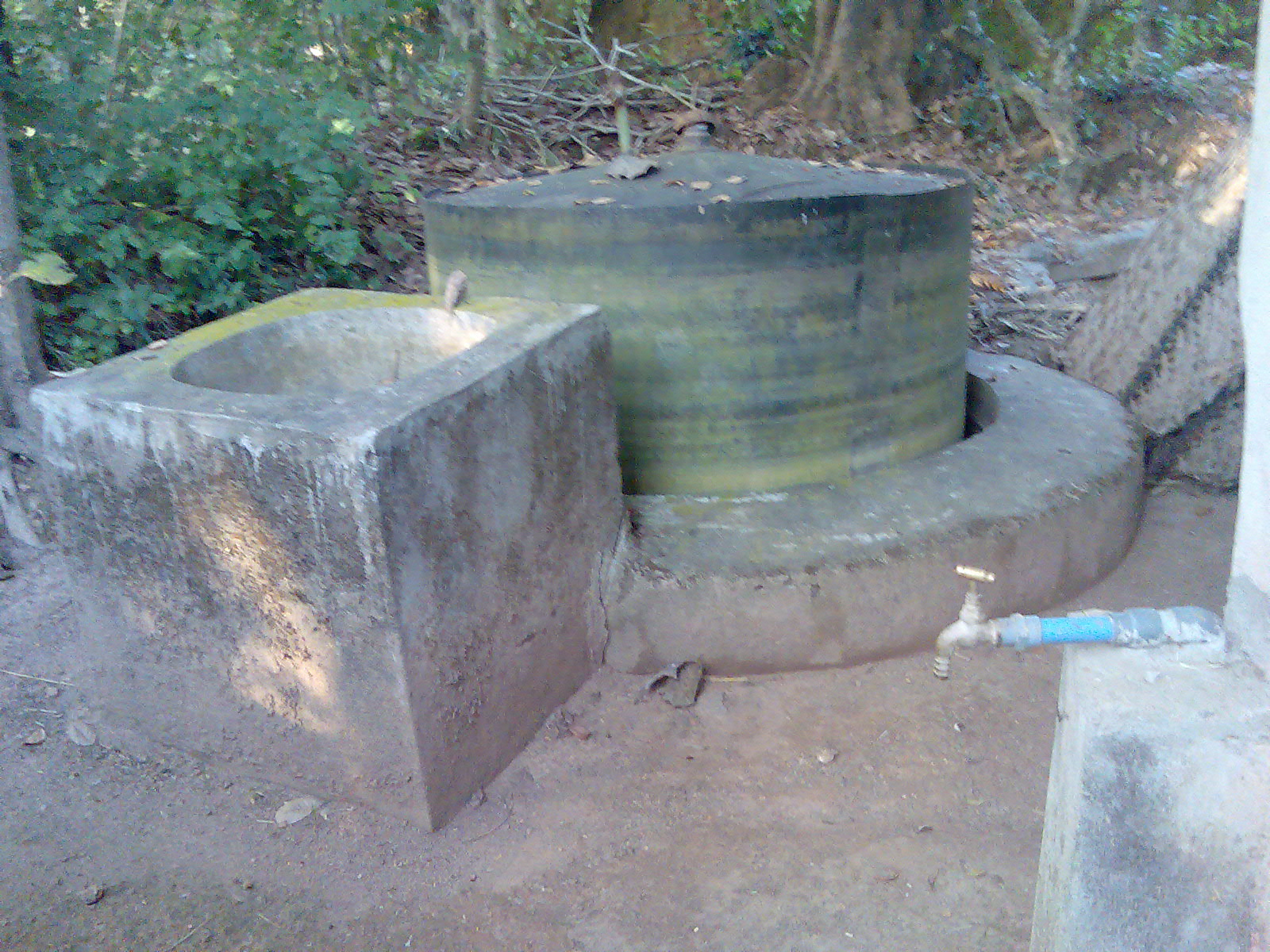
A 1 cubic metre plant — enough to meet the cooking-gas needs of a small family — typically needs the dung from 2 to 3 cattle, or roughly 25 to 30 kg of fresh dung mixed daily with an equal quantity of water. Larger households or those with more cattle can size up to 2 or 3 cubic metre plants for a higher, steadier gas output.
Types of Biogas Plant Designs
Several plant designs are used across India, but two dominate household installations:
- Deenbandhu model (fixed dome): A hemispherical, fixed-dome digester built underground from brick or ferrocement, with no moving parts. It’s the design behind over 90% of household biogas plants in India today, largely because it costs roughly 30–45% less than the older Janata and KVIC models and needs very little maintenance once installed.
- KVIC model (floating dome): Developed by the Khadi and Village Industries Commission, this design uses a mild-steel or fibre-reinforced drum that floats on top of the slurry and rises as gas accumulates, giving a visual, constant-pressure gas supply. It’s more expensive and requires occasional maintenance of the moving drum, but some households prefer the immediate visual cue of how much gas is available.
- Flexi-bag / balloon digesters: A newer, portable option using a durable plastic or rubber bag digester that sits above ground rather than being built into a pit. These cost less to install (no masonry work) and suit households without space or budget for underground construction, though the bag needs replacement every several years.
For most households in India today, the Deenbandhu fixed-dome design remains the default recommendation — it is the most field-tested, the least expensive to build and maintain, and the model most manufacturers and government scheme installers are set up to deliver.
Cost of a Home Biogas Plant in India
Pricing depends on plant size, design, and region, but as a general guide for 2026:
- Small household plant (1–2 m³, Deenbandhu design): approximately ₹25,000–₹50,000, covering excavation, masonry, the gas holder dome, and piping to the kitchen stove.
- Mid-size plant (3–4 m³): approximately ₹50,000–₹90,000, suited to larger families or households with more cattle.
- KVIC floating-dome plant: typically 30–45% more than an equivalent-size Deenbandhu plant, owing to the steel or FRP drum.
- Portable flexi-bag digester: often the cheapest entry point, from roughly ₹15,000–₹30,000 for a small unit, since it skips underground masonry work.
These figures are before any government subsidy, which for most eligible rural households brings the effective cost down substantially — see the subsidy section below.
Government Subsidies for Household Biogas Plants
India has supported household biogas adoption through dedicated schemes for decades, and current support runs through two main channels:
- National Bioenergy Programme (Ministry of New and Renewable Energy): offers Central Financial Assistance ranging from roughly ₹9,800 to ₹70,400 depending on plant size, with an additional 20% top-up available for SC/ST households, hilly and North-Eastern states, and registered gaushalas.
- GOBARdhan Yojana: while GOBARdhan’s headline investment targets larger compressed biogas (CBG) plants at community and industrial scale, the scheme’s household component also supports smaller family-size biogas units, with financial assistance reported around ₹37,000 per unit in several state implementations.
Subsidy structures and amounts vary by state and are typically disbursed through district-level rural development or animal husbandry departments, so it’s worth checking with the local Krishi Vigyan Kendra (KVK) or district administration for the exact scheme active in your area before installing.
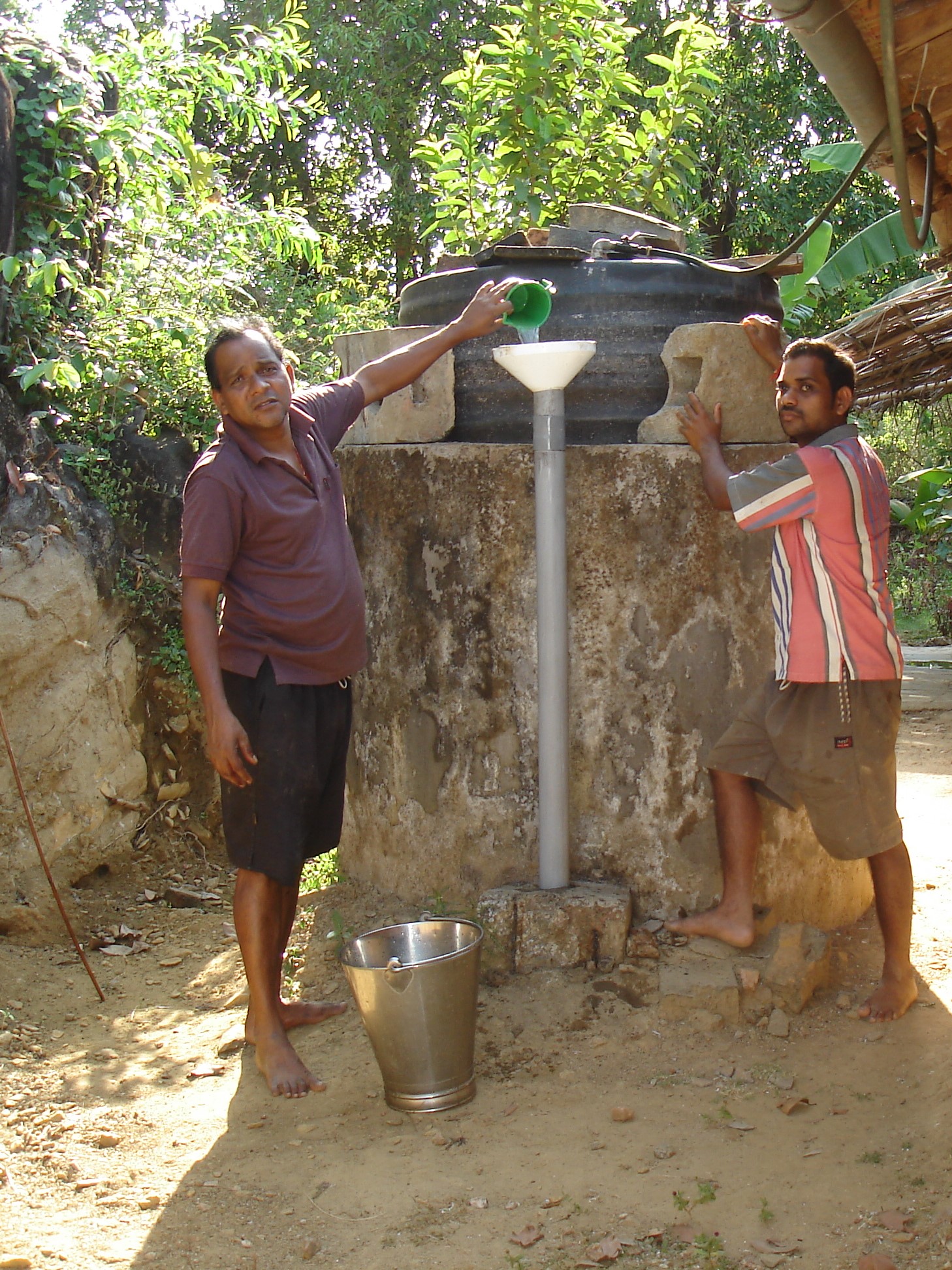
Beyond cooking gas, the bio-slurry byproduct is often the most underrated part of a home biogas system. Rich in nitrogen, phosphorus, and potassium, it can directly replace a portion of chemical fertiliser use on the same land where the cattle graze — a genuine link between household energy and sustainable farming that most LPG-dependent households never get to benefit from.
Installation: What the Process Looks Like
Installing a Deenbandhu-type plant generally follows this sequence:
- Site selection: a spot close to the cattle shed and kitchen, with enough space for the underground digester (typically a pit of 2–3 metres depth) and away from drinking water sources or borewells.
- Excavation and construction: the digester pit is dug and lined with brick or ferrocement masonry, forming the fixed dome shape; this is skilled masonry work, usually done by a trained local mason or an empanelled biogas installer under the government scheme.
- Inlet and outlet chambers: built on either side of the main digester for feeding slurry in and draining bio-slurry out.
- Gas pipeline: a pipe runs from the gas holder to the kitchen stove, typically fitted with a pressure gauge and a simple water-trap valve to remove moisture from the gas.
- Curing and first charge: the completed structure is cured for a short period before being charged with an initial large batch of dung slurry to kick-start bacterial activity — gas production usually begins within 2 to 4 weeks.
Once operational, daily maintenance is minimal — feeding the digester with fresh slurry each day and periodically draining the bio-slurry outlet. A well-built Deenbandhu plant, with no moving parts to wear out, can run reliably for 15–20 years or more.
Is a Biogas Plant for Home Use Right for You?
A biogas plant for home use makes the most sense where three conditions line up: access to at least 2–3 cattle (or an equivalent volume of kitchen/organic waste), enough outdoor space for an underground digester, and a household cooking load that a small, steady gas supply can meaningfully offset. For dairy-owning rural households already dealing with dung disposal, it is often close to a free upgrade — turning what would otherwise be a nuisance into fuel and fertiliser. For urban apartment dwellers without space or livestock access, it’s generally not practical, and other sustainable energy options like rooftop solar are a better fit.
Frequently Asked Questions
How much does a biogas plant for home cost in India?
A small household Deenbandhu-design plant (1–2 m³) typically costs ₹25,000–₹50,000 before subsidy; mid-size plants (3–4 m³) run ₹50,000–₹90,000. Government subsidies of roughly ₹9,800–₹70,400 (or more, with state top-ups) reduce the effective cost for eligible households.
How much cow dung does a home biogas plant need?
A standard 1 cubic metre plant, sized for a small family’s cooking needs, requires roughly 25–30 kg of fresh cow dung daily — the output of about 2 to 3 cattle — mixed with an equal quantity of water.
Which biogas plant design is best for households in India?
The Deenbandhu fixed-dome model is the most widely used and recommended design for Indian households — it has no moving parts, costs 30–45% less than the KVIC floating-dome alternative, and needs minimal maintenance over its 15–20 year lifespan.
Can a biogas plant run on kitchen waste instead of cow dung?
Yes — biogas digesters can run on a mix of kitchen scraps and other organic waste instead of, or alongside, cattle dung, though dung-fed systems are generally more consistent in gas output since dung already carries the right bacterial culture for digestion.
How long does it take for a new biogas plant to start producing gas?
After construction and an initial slurry charge, most plants begin producing usable gas within 2 to 4 weeks, as the anaerobic bacteria colony establishes itself in the digester.