
India imports nearly half of the natural gas it uses. A meaningful share of that gas — the kind that cooks food in city kitchens and fuels CNG-run autorickshaws — arrives by sea, much of it through the Strait of Hormuz, a chokepoint that carries roughly 55–60% of India’s LNG imports and sits uncomfortably close to some of the world’s most volatile geopolitics. On 6 August 2026, the Union Cabinet approved a scheme designed to make a dent in that dependence, and its raw material is something India has never had to import: waste.
The scheme is called GOBARdhan — Galvanizing Organic Bio-Agro Resources Dhan — and it comes with an outlay of ₹23,731 crore, to be spent between FY 2026-27 and FY 2035-36. Its job is to turn cattle dung, crop residue, press mud, and municipal organic waste into Compressed Biogas (CBG), a fuel that is chemically identical to natural gas and can be fed directly into India’s existing gas pipelines, CNG stations, and piped-gas networks.
From a Village Sanitation Idea to a National Energy Pillar
GOBARdhan itself isn’t new. The name first appeared in 2018, under the Swachh Bharat Mission (Grameen), as a small but clever piece of rural sanitation policy: convert village waste into biogas and bio-slurry, and villages get cleaner streets and a usable fuel/fertiliser byproduct in the same stroke. What’s changed in 2026 is scale and ambition — the government has taken a scheme that used to sit across four different ministries and consolidated the entire Compressed Biogas value chain under one nodal authority, the Ministry of Petroleum and Natural Gas, turning what was a sanitation-adjacent programme into a dedicated energy-security instrument.
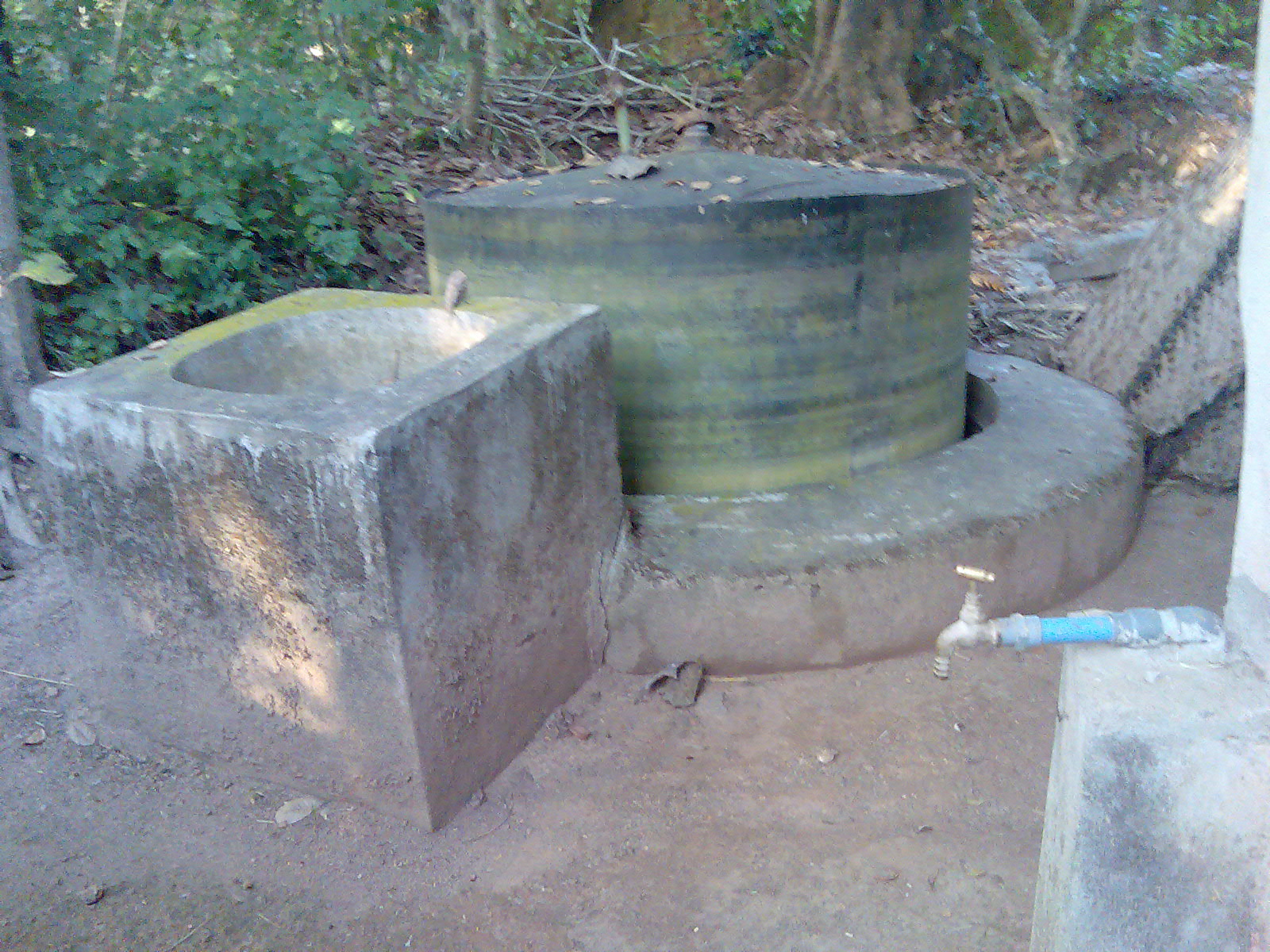
That consolidation matters more than it sounds. Since 2018, the groundwork has been laid through a scatter of related schemes — the SATAT initiative for CBG offtake, a Market Development Assistance scheme for organic manure, a Biomass Aggregation Machinery scheme, and Central Financial Assistance for CBG plants — and together they’ve helped commission over 200 CBG plants nationwide. But fragmented administration across ministries slowed things down: developers had to navigate different approval processes, financing routes, and pricing signals depending on which piece of the value chain they were touching. GOBARdhan folds all of that into a single framework.
What’s Actually New: Six “Growth Engines”
The scheme’s substance sits in six components, and together they read like a checklist of every practical obstacle that’s historically made CBG projects hard to finance in India:
- Assured offtake — City Gas Distribution companies will be required to buy a rising share of CBG, with a formal blending obligation climbing from 3% in FY 2026-27 to 5% by FY 2028-29, converting a policy aspiration into a bankable demand signal for producers.
- Stable pricing — a government-backed price of ₹2,110 per MMBTU, locked in for a minimum ten years, is meant to give investors the kind of revenue certainty that renewable energy auctions have relied on for over a decade.
- Capital assistance — up to ₹2 crore per tonne-per-day of installed capacity, covering not just plant machinery but feedstock aggregation and manure-processing infrastructure too.
- Pipeline connectivity — funding for both cluster-based and standalone pipelines linking CBG plants to trunk gas networks, addressing what has often been the quiet dealbreaker for rural plants: nowhere nearby to actually sell the gas.
- Credit guarantees — aimed squarely at MSMEs, women entrepreneurs, and first-time developers who typically struggle to get affordable institutional credit for unproven project types.
- A district-level Ecosystem Challenge Fund — money for feedstock mapping, local planning, and capacity building at the district level, the unglamorous logistics work that determines whether a plant actually gets fed enough waste to run.
The Numbers Behind the Bet
The government is targeting close to a ten-fold increase in domestic CBG production over the scheme’s ten-year run. If that holds, the ministry estimates it could save the country upward of ₹40,000 crore in forex that would otherwise go toward LNG imports — money that, under GOBARdhan’s design, instead flows to farmers, feedstock aggregators, rural cooperatives, and first-generation entrepreneurs setting up plants closer to where the waste is actually generated.
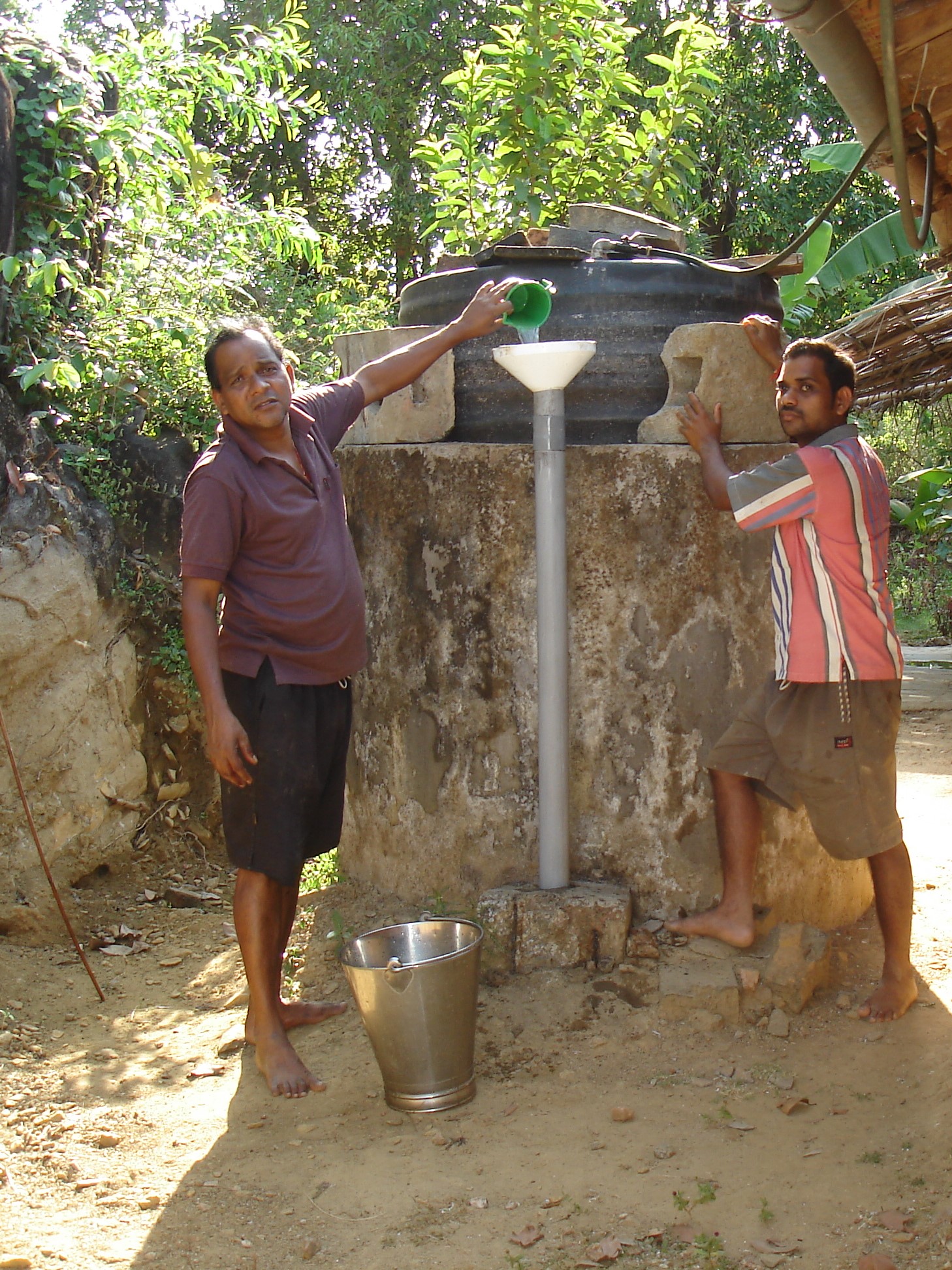
That’s the part of the pitch worth sitting with. A tonne of cattle dung or crop stubble has always had some value — as fuel, as fertiliser, as a nuisance to be burned or dumped. GOBARdhan is a bet that giving that waste a predictable, government-backed market price turns it into something closer to a cash crop: a resource rural India can build small businesses and local energy infrastructure around, rather than something to be disposed of.
Where This Fits Into the Bigger Picture
GOBARdhan lands the same week India crossed a separate, unrelated milestone — 300 GW of installed non-fossil fuel power capacity. The two aren’t the same story, but they rhyme: both are about converting climate commitments into infrastructure that actually gets built, financed, and connected to a market. Solar and wind get most of the attention in India’s clean-energy narrative, largely because the capacity numbers are so visually dramatic. Biogas has always been the quieter, messier cousin — dependent on decentralised feedstock collection, harder to standardise, slower to scale.
That’s exactly why the “unified” part of GOBARdhan is the detail worth watching over the next few years, more than the headline outlay figure. India’s clean-energy successes to date — solar and renewable energy in particular — have mostly come from concentrating effort and capital in a few technologies with straightforward, centralised supply chains. CBG is the opposite: distributed, dependent on farmers and municipalities showing up with their waste, and only as good as the weakest link in a very long value chain from cow shed to gas pipeline. Ten years and ₹23,731 crore is the government’s wager that a single administrative home, a guaranteed price, and district-level implementation support are enough to make that distributed model work at national scale.
GOBARdhan sits alongside other circular-economy efforts already underway across the country — from urban waste management initiatives to rural clean cooking transitions — as part of a broader shift in how India treats organic waste: not as a disposal problem, but as an underused energy resource.
Source: Press Information Bureau, Government of India — Cabinet approves GOBARdhan, India’s National Unified Scheme for Compressed Biogas and PIB Backgrounder: GOBARdhan — Fuelling Clean Energy and Rural Growth.