
Most fuel-efficiency regulation is a slow, technical grind — a few grams of CO2 per kilometre shaved off a target here, a compliance deadline pushed a year there. But the draft rules the Ministry of Power circulated this week for public consultation contain a genuinely new idea buried in the technical detail, one that connects two very different threads of India’s climate policy that haven’t been formally tied together before.
The Draft Corporate Average Fuel Economy 2027 Norms — CAFE-III — set out fuel-consumption limits for passenger cars (the M1 category, vehicles with up to eight seats besides the driver) sold in India from 2027-28 through 2031-32. The targets tighten every year: from 3.996 litres per 100 km (94.76 grams of CO2 per km) at the start of the period, down to 3.3273 litres per 100 km (78.90 g CO2/km) by 2031-32 — a roughly 17% cut in fleet-average fuel consumption over five years. Manufacturers selling fewer than 1,000 passenger vehicles a year stay exempt, and compliance will be assessed in two blocks — an initial three-year period followed by a two-year one — giving carmakers a predictable runway to redesign engines and production lines rather than a single cliff-edge deadline.
The Real News Is in the Fine Print
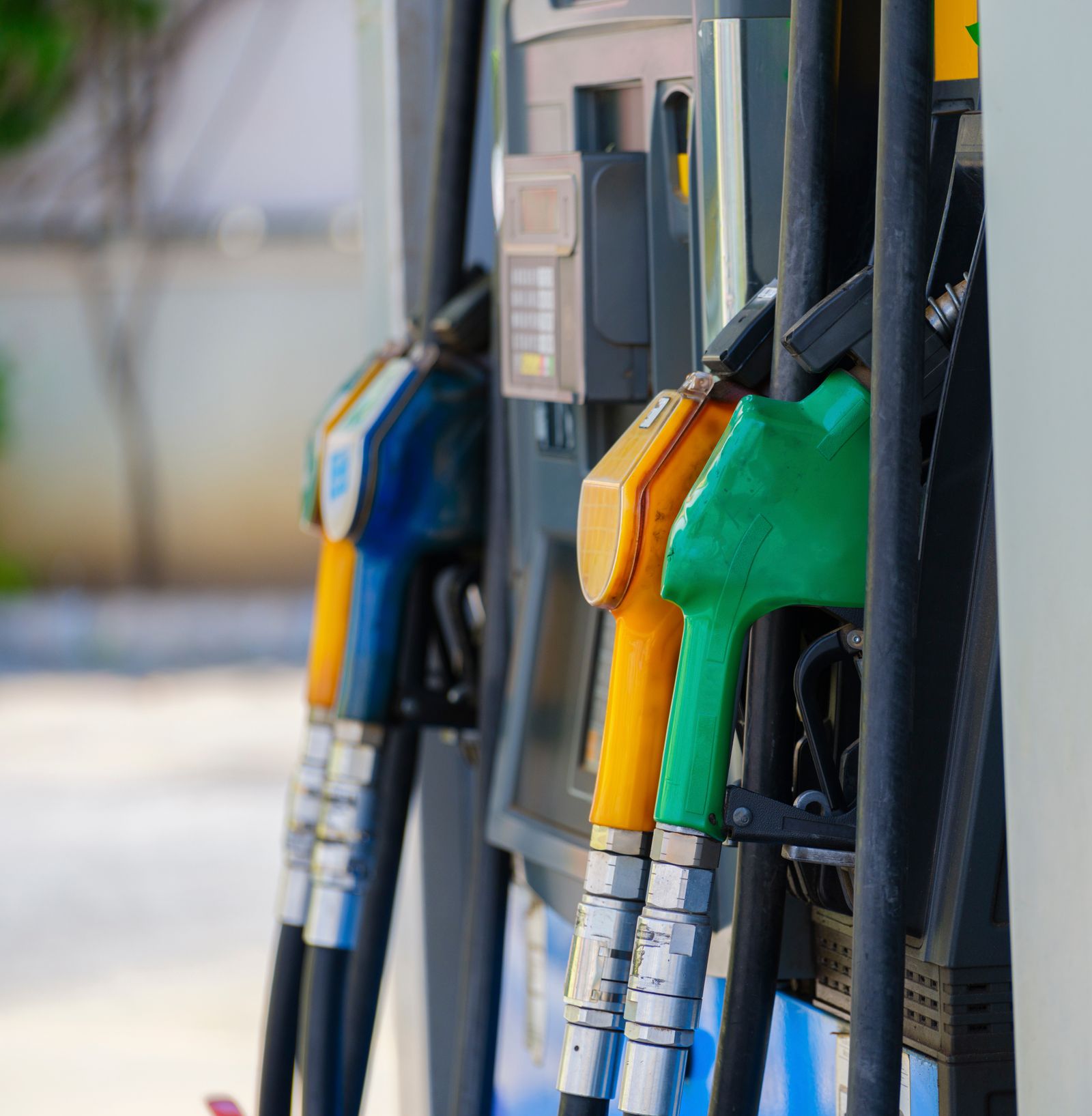
What makes this draft different from the two CAFE norm cycles before it is a single new provision: for the first time, CAFE-III formally recognises the carbon-neutrality of ethanol, compressed bio-gas, and other biofuels, and allows manufacturers to apply a specified reduction to a vehicle’s declared tailpipe CO2 emissions before checking it against the compliance target. At current blending levels, ethanol gets an 8% carbon-neutral factor applied; CBG and other biofuels get credit based on whatever their actual blending level happens to be.
In plain terms: a car running on 20% ethanol-blended petrol (India’s E20 standard, already rolled out nationally) will now be treated, for regulatory purposes, as emitting somewhat less CO2 than the same car burning pure petrol — because the carbon in that ethanol came from last season’s crop, not from fossil reserves pulled out of the ground.
Why That Detail Actually Matters
India has spent the better part of a decade building out its ethanol-blending programme, hitting the E20 target for petrol nationally roughly five years ahead of the original 2030 schedule, and has been steadily expanding compressed bio-gas infrastructure under the SATAT scheme. Until now, though, those two policy tracks — biofuel promotion and vehicle fuel-economy regulation — have run largely in parallel rather than reinforcing each other. A carmaker’s fleet-average fuel economy number didn’t care whether the petrol going into its engines was blended with ethanol or not; the regulation measured litres and grams of CO2 at the tailpipe, full stop.
By writing ethanol and CBG’s carbon-neutral status directly into the compliance formula, CAFE-III gives manufacturers a direct regulatory incentive to design and market vehicles optimised for higher ethanol blends and CBG — not just because the government has asked oil companies to blend more ethanol into the fuel supply, but because doing so will now help carmakers hit their own fleet targets more easily. It’s a small mechanical change with a fairly large second-order effect: it turns two previously separate policy levers — “blend more biofuel into the pump” and “make cars burn less fuel per kilometre” — into a single, mutually reinforcing system, and another building block in India’s carbon reduction policy toolkit.
The Limits Worth Naming

This is still a draft, open for stakeholder feedback until 6 August 2026, and drafts can and do change materially before final notification — India’s CAFE-II norms themselves went through revisions between initial release and implementation. Industry groups representing manufacturers who’ve invested heavily in pure fossil-fuel engine efficiency, versus those betting on flex-fuel and higher-ethanol-compatible engines, are likely to push back or lobby for different carbon-neutrality factors during the consultation window.
It’s also worth being clear-eyed about what “carbon-neutral” means here: ethanol production in India draws primarily on sugarcane and foodgrain feedstocks, and the sustainability of that supply chain — land and water use, competition with food crops, the emissions footprint of cultivation and distillation itself — is a genuinely contested question in its own right, one that a fuel-economy regulation doesn’t resolve just by granting a credit. The CAFE-III provision is a regulatory accounting change, not an independent life-cycle assessment of ethanol’s true carbon footprint.
Even with those caveats, tightening fleet-average fuel consumption by 17% over five years while simultaneously building biofuel incentives into the compliance math is a more coherent approach to vehicle emissions than treating fuel efficiency and biofuel blending as separate policy silos — part of the same broader shift toward sustainable transport playing out across India’s vehicle policy. It’s a template that could plausibly extend to heavier vehicle categories in future rulemaking cycles, if this one works as intended.
Source: Press Information Bureau, Government of India — Ministry of Power Circulates the Draft Corporate Average Fuel Economy 2027 Norms (CAFE-III) for Stakeholder Consultation