
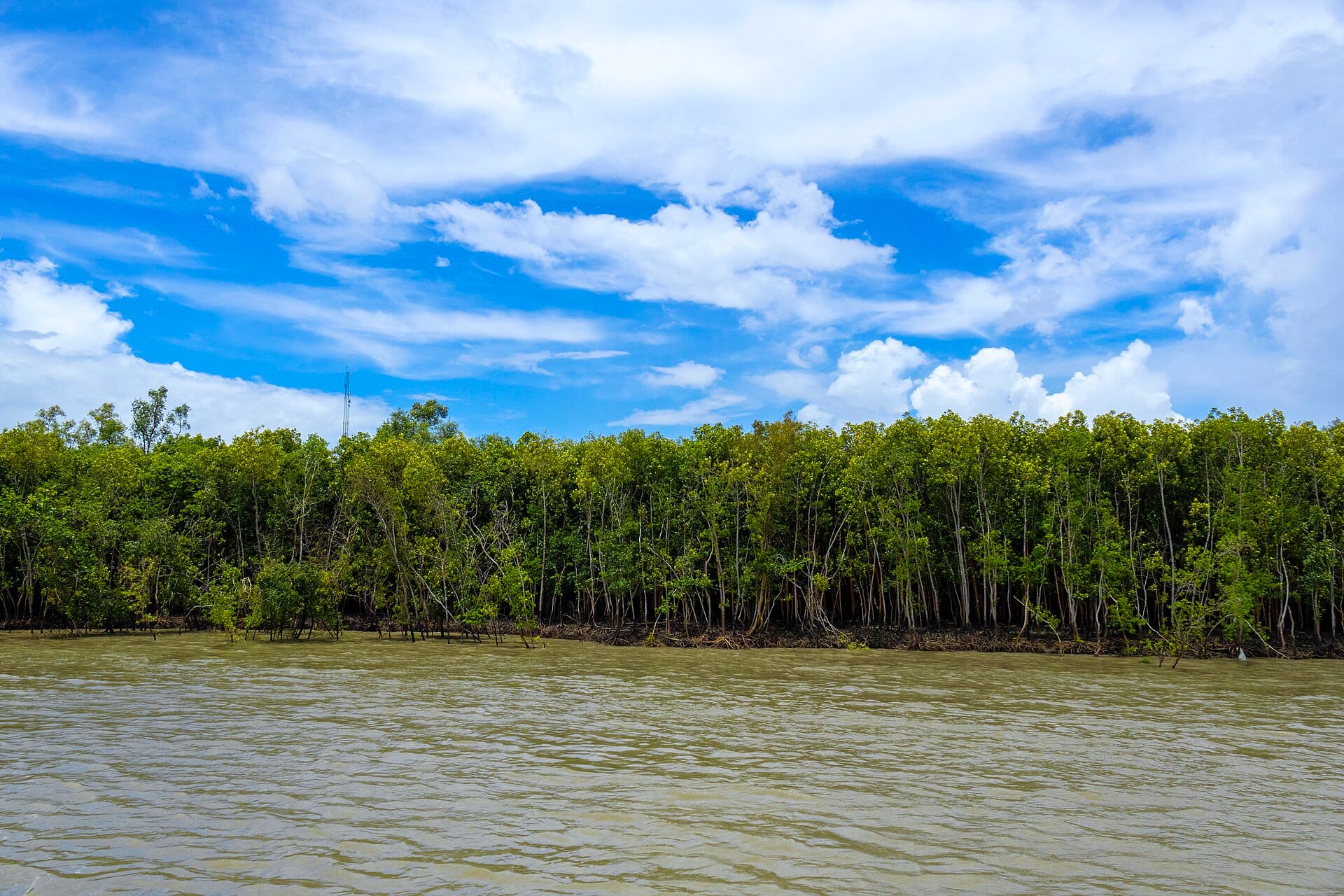
The National Coastal Mission now has a rulebook for how its money will be spent. On 30 September 2026, Union Environment Minister Bhupender Yadav launched the implementation guidelines for NCM 2.0 in New Delhi. India has roughly 11,000 km of coastline, including its island territories. That shoreline holds fishing communities, ports, mangroves and some of the country’s fastest-growing cities. It is also exposed to cyclones, erosion and sea-level rise.
The National Coastal Mission 2.0 at a glance
NCM 2.0 is a Central Sector Scheme with an approved outlay of Rs 767 crore. It will run until 2030-31 across nine coastal states and four Union Territories. Media reports say it subsumes the first phase of the mission. The scheme aims to strengthen the resilience and sustainability of coastal regions while unlocking the potential of the blue economy. It will work through active collaboration with coastal states, Union Territories and other stakeholders.
What the National Coastal Mission will fund
According to the minister, the mission will strengthen coastal resilience through:
- vulnerability assessments of coastal stretches
- ecosystem restoration
- pollution management
- biodiversity conservation
- sustainable coastal tourism
- spatial planning
- research and capacity building
The guidelines themselves are about delivery. They clarify institutional roles, streamline processes, and strengthen monitoring and accountability. They also ensure convergence with ongoing government schemes, so coastal work is coordinated rather than scattered across departments. The ministry adds that this clear framework will make it easier for agencies to implement projects.
Why implementation guidelines matter
A headline outlay says little until the rules for how states apply, spend and report are in place. Coastal management in India spans environment, fisheries, ports, urban development and disaster management. As a result, projects often stall at the seams between agencies. A single framework with defined responsibilities is meant to fix that. It also lets the Centre and states share one plan, with the same monitoring yardstick.
The bigger picture for India’s coast
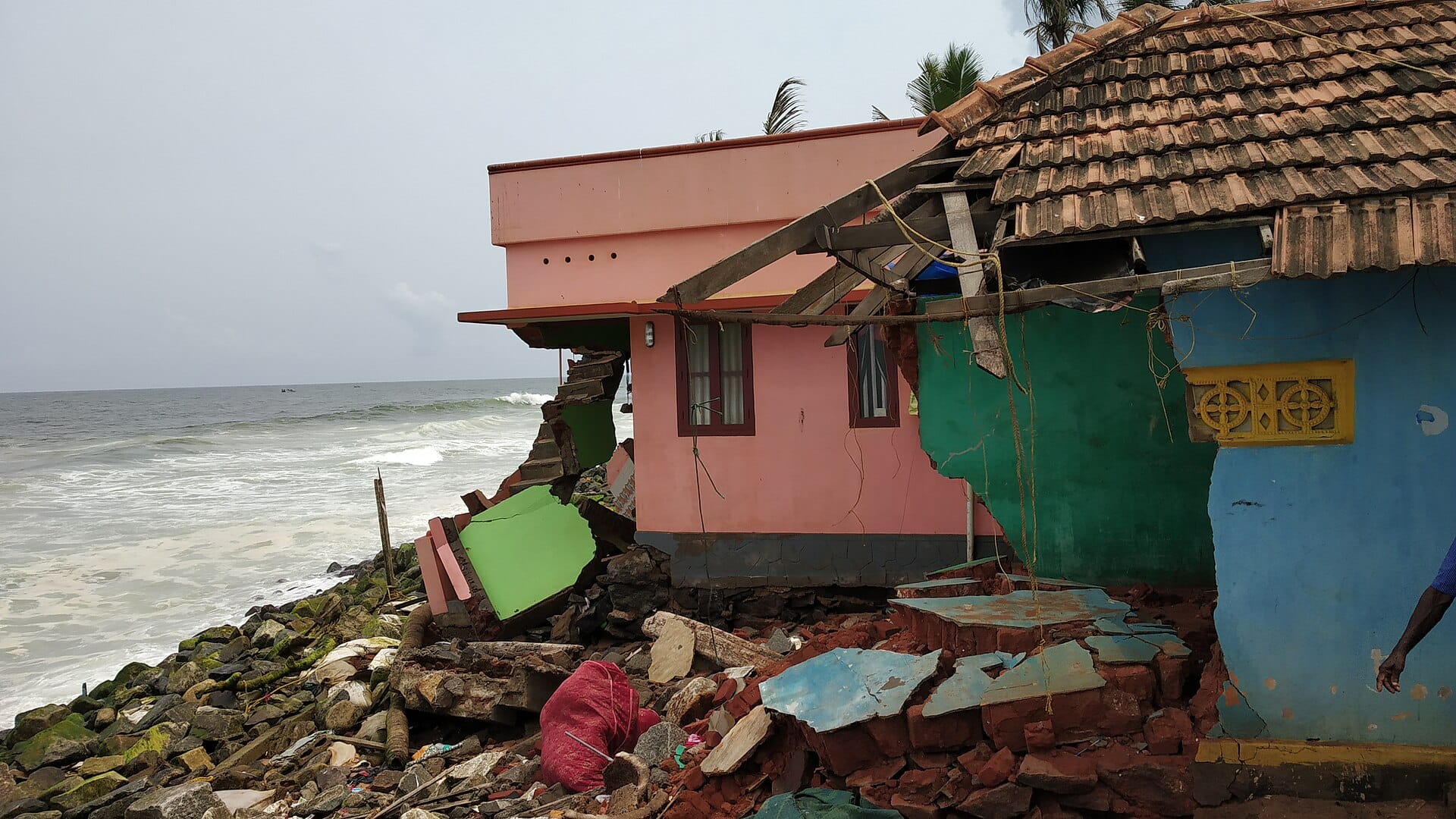
Rs 767 crore over several years is modest against the scale of the coastline. Its value will therefore lie in targeted, evidence-led work: mapping where erosion and flooding risks are highest, restoring natural buffers such as mangroves and dunes, and cutting pollution at source. Natural shoreline protection is typically cheaper and more durable than hard engineering, and it protects fisheries and biodiversity too.
The government ties the mission to its blue economy ambitions and to the vision of Viksit Bharat 2047. For sustainability-minded readers, the test is simple. Will blue economy growth come with real restoration, and will states publish progress openly once projects begin? Related efforts are already under way. For example, India is doubling down on mangroves, and the annual Swachh Sagar, Surakshit Sagar campaign targets beach and ocean litter.
Ports are another part of the picture. Our report on green shipping corridors shows how coastal infrastructure is changing too. You can also explore more environment sustainability coverage on Prakati.
Source: Press Information Bureau, Government of India (Ministry of Environment, Forest and Climate Change, 30 September 2026). Additional context from ThePrint. Images: Kingshuk Mondal (CC BY 4.0) and Bhavapriya J U (CC BY-SA 4.0), via Wikimedia Commons.