
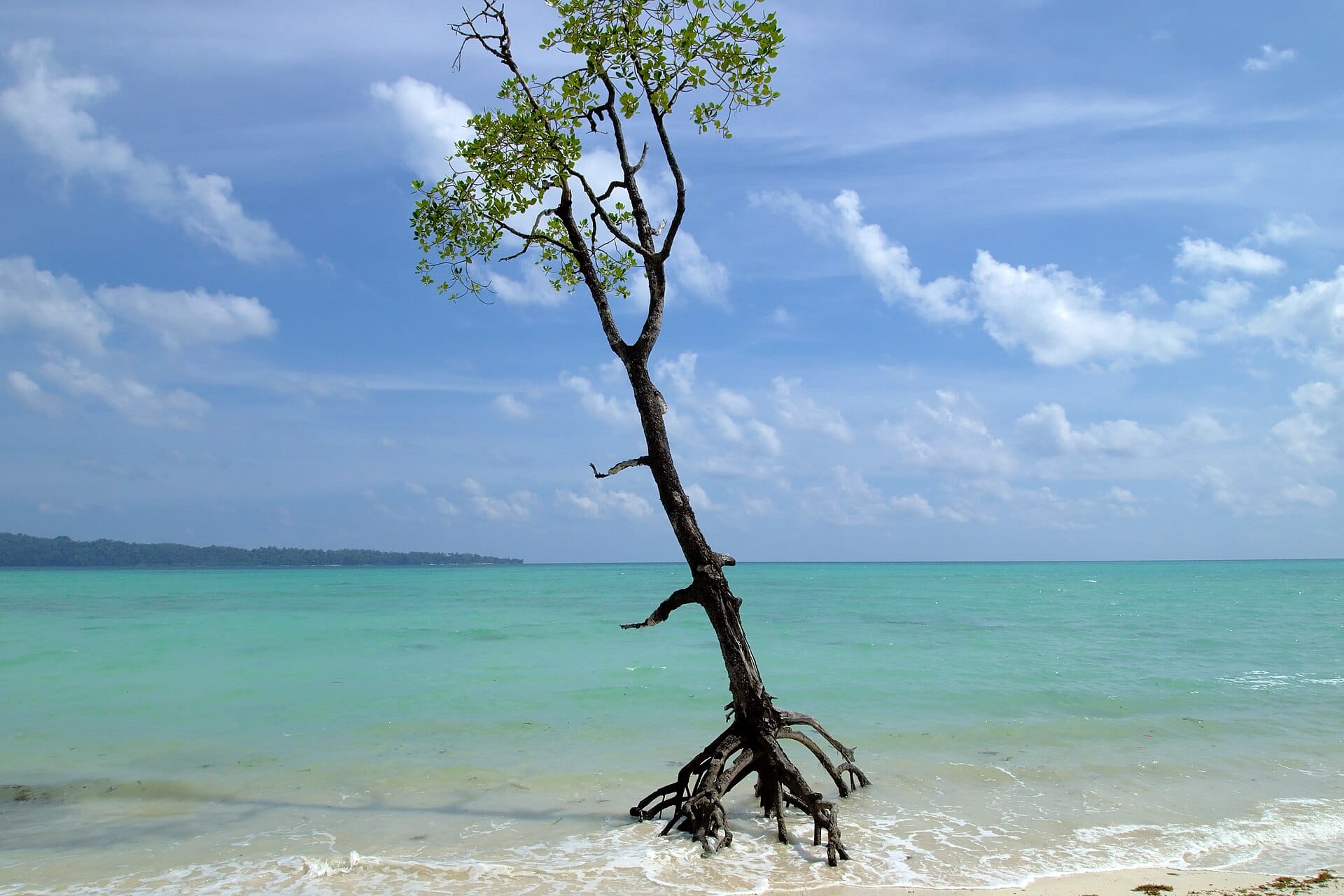
The National Coastal Mission 2.0 guidelines are the implementation rulebook behind India’s Rs 767 crore plan for its shoreline. Our news brief on the launch covered the 30 September 2026 announcement. This guide goes further and walks through the September 2026 document itself. It explains what the mission will fund, who will run it, and how a project gets approved.
Download the original guidelines below (PDF, 44 MB). Source: Ministry of Environment, Forest and Climate Change (MoEFCC), Government of India.
Read the original guidelines on moef.gov.in
What the National Coastal Mission 2.0 guidelines cover
The mission’s vision is to conserve coastal and marine ecosystems while promoting inclusive growth, climate resilience and the blue economy. It runs from 2025-26 to 2030-31, which matches the Finance Commission period. The first National Coastal Mission began in 2021-22 as an interim arrangement. It now stands subsumed into NCM 2.0, with effect from 16 May 2025.
The guidelines list eight objectives. In practice, they fall into four groups:
- climate adaptation and mitigation for coastal communities and ecosystems;
- protection of mangroves, brackish water wetlands and coral reefs;
- integrated coastal zone management plans and coastal and marine spatial plans, including green shoreline infrastructure;
- livelihoods, pollution control and public awareness.
In total, the scheme applies to nine coastal states: Gujarat, Maharashtra, Goa, Karnataka, Kerala, Tamil Nadu, Andhra Pradesh, Odisha and West Bengal. It also covers four Union Territories: Dadra and Nagar Haveli and Daman and Diu, the Andaman and Nicobar Islands, Puducherry and Lakshadweep.
Five themes and where the Rs 767 crore goes
In all, the document groups all work under five themes. These are climate-resilient blue economic growth, coastal vulnerability and risk reduction, climate adaptation with mitigation co-benefits, capacity building and outreach, and committed liabilities with project management. The budget table lists eleven activities, although two of them share one budget line:
- Rs 250 crore: green infrastructure for eroding coastlines, plus coastal zone and marine spatial plans for about 1,000 km of coast.
- Rs 100 crore: climate-resilient coastal tourism infrastructure.
- Rs 100 crore: a marine research and information centre cum oceanarium at Somnath, Gujarat.
- Rs 70 crore: pollution abatement and monitoring, including deep sea discharge studies.
- Rs 70 crore: committed liabilities from the earlier mission and a Green Climate Fund supported coastal resilience project.
- Rs 62 crore: climate action and biosphere management in the Andaman and Nicobar Islands.
- Rs 50 crore: coral reef development and management.
- Rs 30 crore: administration, including the monitoring portal.
- Rs 20 crore: conservation of sea water dolphins.
- Rs 15 crore: environmental education, capacity building and awareness.
However, the table is only indicative. With the Environment Minister’s approval, the Project Steering Committee can move funds between components, as long as the total outlay stays the same.
Mangroves, corals and dolphins: the ecosystem work
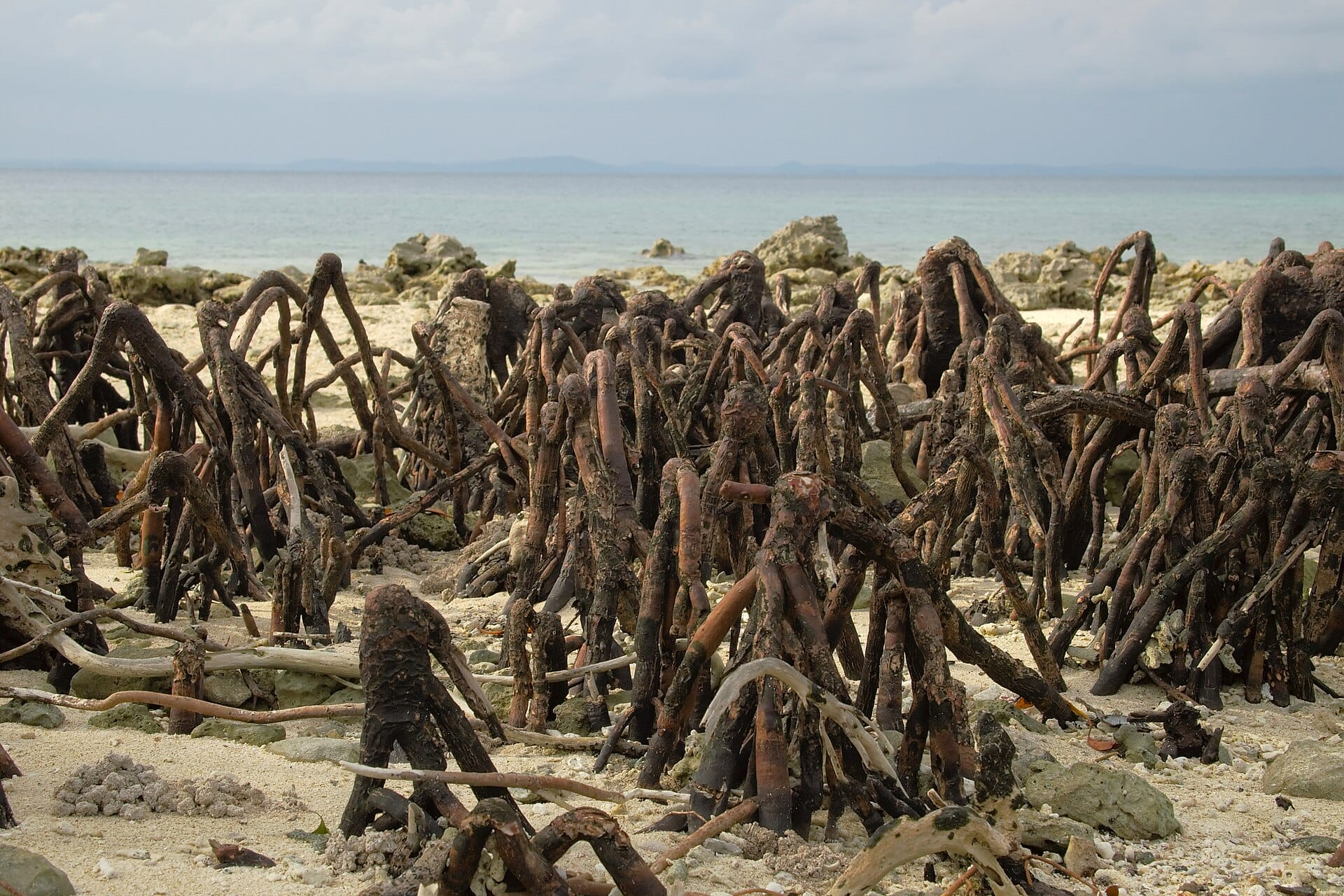
In the Andaman and Nicobar Islands, the Rs 62 crore component will study and restore degraded mangroves. It also covers planting mangroves and littoral forests in tsunami-affected areas, using ecological restoration or mangrove engineering. In addition, forest staff will monitor turtle and shorebird habitats to track climate impacts. The plan even includes ways to handle conflict with saltwater crocodiles, which affect local livelihoods.
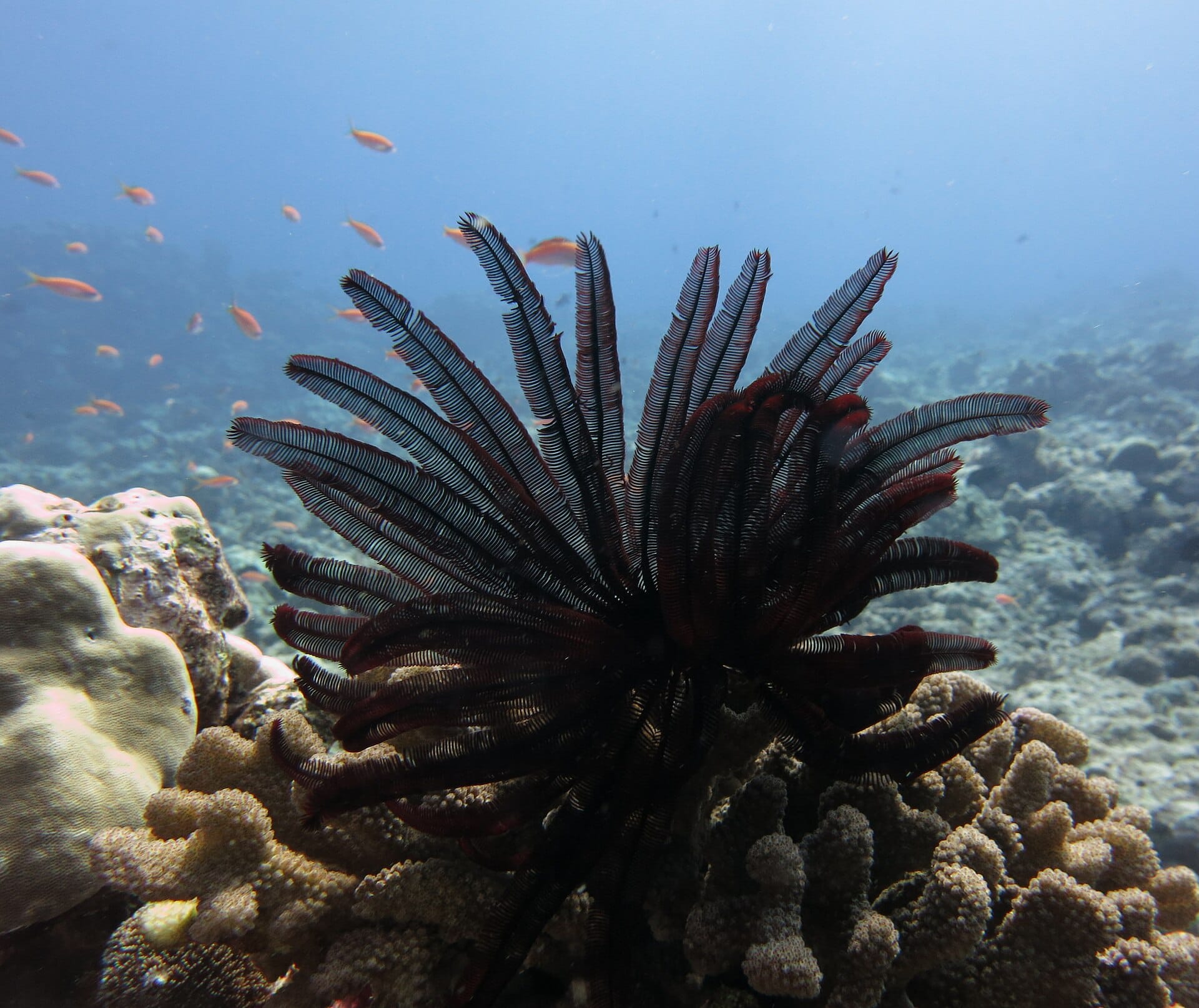
Coral reefs get Rs 50 crore. The Zoological Survey of India and NCSCM will map India’s reefs and assess their health. They will also draft an Indian protocol for health assessment, aligned with international ones, and test restoration technologies at pilot scale. Restoration sites will come from Lakshadweep, the Andaman and Nicobar Islands and the mainland coast. A centre of excellence is planned as well, preferably in the islands.
Finally, dolphins receive Rs 20 crore, led by the MoEFCC Wildlife Division and the Wildlife Institute of India. The plan maps coastal dolphin habitats and migration routes, and it standardises how the animals are counted. It also proposes a citizen-science mobile app for reporting sightings and strandings.
Erosion, spatial planning and pollution
The largest budget line goes to the shoreline. NCSCM will draw up criteria and guidelines for green coastal infrastructure on highly eroding coastlines, building on work from the first mission. Demonstration pilots will follow, preferably through a challenge-based method with states. The expected outcomes also include a Cumulative Vulnerability Study of India’s whole coastline, using one uniform method.
Likewise, the same line funds coastal zone and marine spatial plans for around 1,000 km of mainland coast. These plans will identify sites for blue economy activity with ecological safeguards. They will also map conflicts between sectors. Moreover, the guidelines explore a digital twin of a coastal stretch, which could model sea level rise, erosion and sediment movement.
On pollution, the Central Pollution Control Board (CPCB) will lead the Rs 70 crore programme. Planned tasks include demarcating coastal waters by designated best use and inventorising offshore discharges. A decision support system will help regulators. Low-cost wastewater projects will also run on the major islands of Andaman and Nicobar and Lakshadweep. Beyond that, the mission will map hotspots of land-based marine litter and assess nitrogen at major river mouths.
Tourism, beaches and coastal livelihoods
Rs 100 crore backs eco-friendly coastal infrastructure for sustainable tourism. States will submit projects, and a challenge mode will select them. The guidelines also describe a recognition-based framework for safe, clean and well-managed beaches. Beaches would be assessed on water quality, waste management, safety and visitor services. They would earn rewards for steady improvement over time.
Notably, communities are meant to be partners, not just audiences. Community participation is a core principle, and the guidelines name beach clean-ups, citizen science and the involvement of women and marginalised groups. Panchayati Raj institutions and village councils are also part of the plan. However, the scheme offers no subsidy or direct benefit transfer to individuals or private entities. Money flows only to approved projects.
Who runs the mission and how projects get approved
Overall, governance is deliberately lean. The Project Steering Committee, chaired by the MoEFCC Secretary, is the apex body. It meets at least twice a year and approves projects. A Project Management Cell, led by a Joint Secretary, handles daily work. CPCB, which also published the NCAP compendium of best practices, acts as the Central Nodal Agency and releases funds. No permanent posts are created.
Implementing agencies include NCSCM in Chennai, CPCB, the Zoological Survey of India and the Wildlife Institute of India. The Andaman and Nicobar forest department and the Gujarat government with the GEER Foundation take part as well. Each agency signs one MoU with the Ministry. Likewise, every state and Union Territory signs a single MoU and names a senior nodal officer.
The guidelines set a twelve-step path for each project. It begins with a rolling concept note, reviewed within four weeks. Next come a pre-feasibility report, a detailed project report and an independent technical appraisal. Then the Steering Committee approves, and the Ministry issues the sanction. For a well-prepared proposal, this journey should take about six months. Implementation starts within 30 days, and an approval lapses if work does not begin within 12 months.
In addition, readiness decides priority. States rank higher when they have signed the MoU, identified encumbrance-free land, started statutory clearances and committed to maintaining assets. The scheme does not allow land acquisition.
Money, monitoring and accountability
NCM 2.0 is 100 per cent centrally funded, and no external loans or grants are envisaged. Funds also move through the Public Financial Management System on a just-in-time basis. As a result, the next instalment depends on utilisation certificates and physical progress.
Monitoring works at several levels. Moreover, a web-based portal will carry geo-tagged images, dashboards and a grievance module. For example, states report quarterly, and the management cell visits each project at least once a year. An end-term third-party assessment is compulsory. Projects with physical progress below 50 per cent of target, or financial use below 40 per cent, are flagged red and reported to the Steering Committee. Audits by the Comptroller and Auditor General apply as well.
What it means for India’s coast
Three features stand out. First, the guidelines favour nature-based answers such as mangroves, coral restoration and green infrastructure for eroding shores. Second, they treat communities as stakeholders, with women and marginalised groups named explicitly. Third, they promise visibility. Project data will sit on a public portal, and every site must display its cost, timeline and grievance contacts.
Even so, this is a framework, not a result. Outcomes will depend on how quickly states sign their MoUs and whether blue economy growth respects the safeguards. The outlay is also small compared with the length of India’s coast, so the choice of pilot sites will matter. Meanwhile, related work is already under way. For example, India is doubling down on mangroves through other schemes.
Read the full document using the download button above, and follow more India sustainability news on Prakati.
Source: Press Information Bureau, Government of India (Ministry of Environment, Forest and Climate Change, 30 September 2026) and the National Coastal Mission 2.0 Implementation Guidelines (MoEFCC, September 2026). Images: Vyacheslav Argenberg (CC BY 4.0) and PoojaRathod (CC BY-SA 4.0), via Wikimedia Commons.