
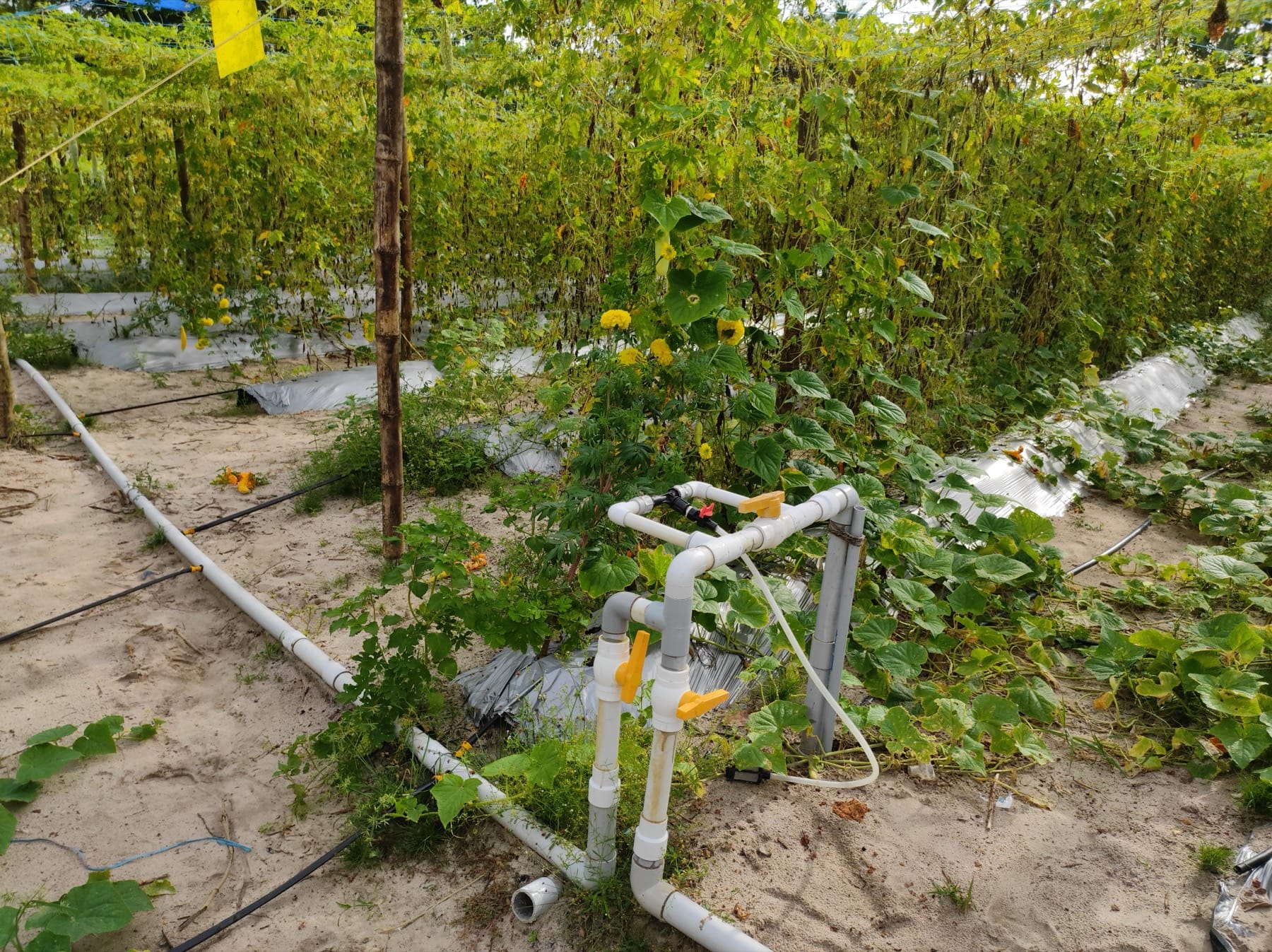
Sustainable agriculture is a way of growing food that meets today’s needs without wearing out the soil, water and biodiversity that tomorrow’s farmers will depend on. In India, where nearly half the workforce still works in farming, it is less a trend than a survival strategy: soils are tiring, groundwater is falling and input costs keep climbing.
The good news is that the toolkit is practical and mostly low-cost. This guide explains what sustainable agriculture means in the Indian context, the practices that work on the ground, the benefits, and the government schemes that support farmers who make the shift. For more on this theme, explore our Sustainable Farming section.
What Is Sustainable Agriculture?
Sustainable agriculture rests on three goals that have to be balanced together: a healthy environment, a viable income for the farmer, and safe, nutritious food for everyone else. It does not mean abandoning modern knowledge. It means using water, nutrients and energy more carefully, and working with natural processes such as soil life, pollination and natural pest control rather than against them.
Organic farming, natural farming, agroforestry and conservation agriculture are all routes to the same destination. A farmer does not have to adopt every one of them at once; most start with one or two changes and build from there.
Key Sustainable Agriculture Practices in India
1. Building soil health
Soil is the foundation of sustainable agriculture. India’s Soil Health Card scheme helps by telling farmers what nutrients their soil actually needs, so they stop over-applying fertiliser. Our explainer on the Soil Health Card and natural farming covers how this works.
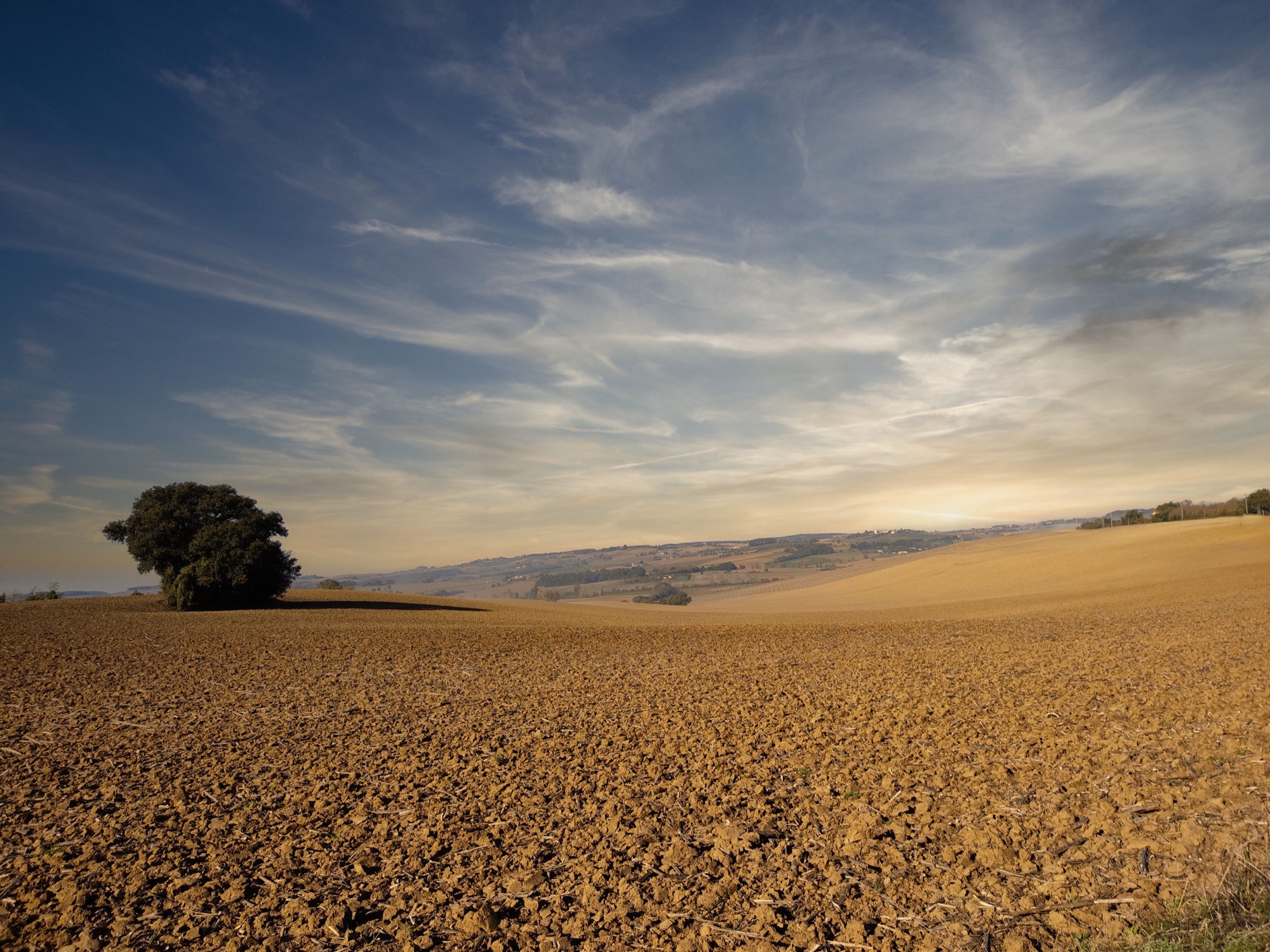
Healthy soil is full of organic matter and living organisms. Farmers build it through composting, green manure, mulching and leaving crop residue in the field instead of burning it, which keeps carbon and moisture in the ground and reduces the need for chemical fertiliser.
2. Saving water
Irrigation takes the largest share of India’s freshwater, so water efficiency is where sustainable agriculture pays off fastest. Drip and sprinkler systems deliver water to the root zone and cut wastage, while mulching reduces evaporation. Read how the Per Drop More Crop programme supports micro-irrigation.
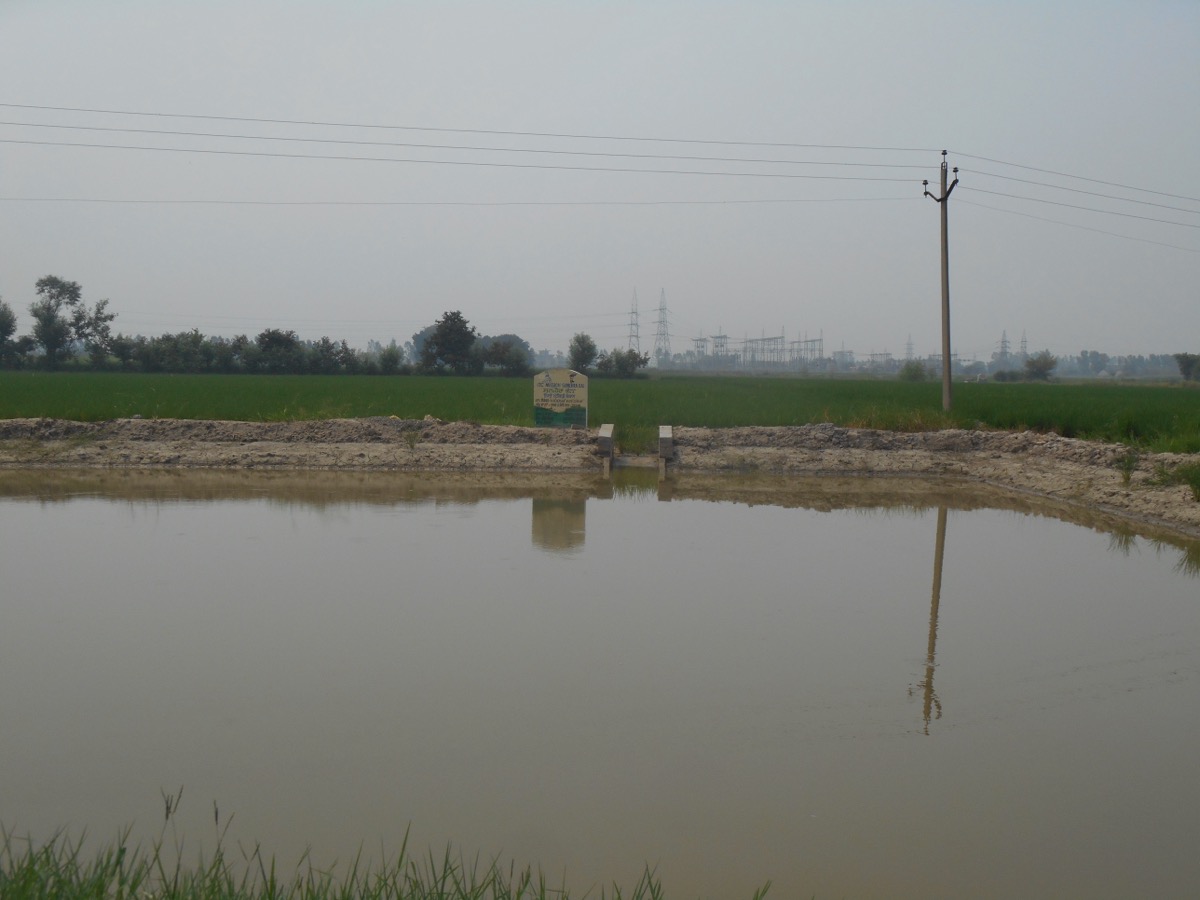
Farm ponds, check dams and field bunds catch monsoon runoff and let it soak into the ground instead of draining away. This is the farm-scale version of rainwater harvesting, and it gives farmers a buffer against dry spells.
3. Diversifying crops
Growing the same crop on the same plot year after year drains specific nutrients and invites pests. Crop rotation, intercropping (for example, pulses between rows of cereals) and mixed cropping break pest cycles, fix nitrogen naturally and spread financial risk if one crop fails. Reviving millets, which need little water and tolerate poor soil, is part of the same logic.
4. Managing pests naturally
Integrated pest management combines resistant varieties, crop rotation, bird perches, pheromone traps and neem-based or other biological sprays, and uses chemicals only as a last resort. Zero Budget Natural Farming takes the idea further by making inputs on the farm itself; see what zero budget natural farming is for the basics.
5. Using clean energy on the farm
Solar pumps replace diesel and unreliable grid power, and some pilots now grow crops beneath raised solar panels so the same land produces both food and electricity.
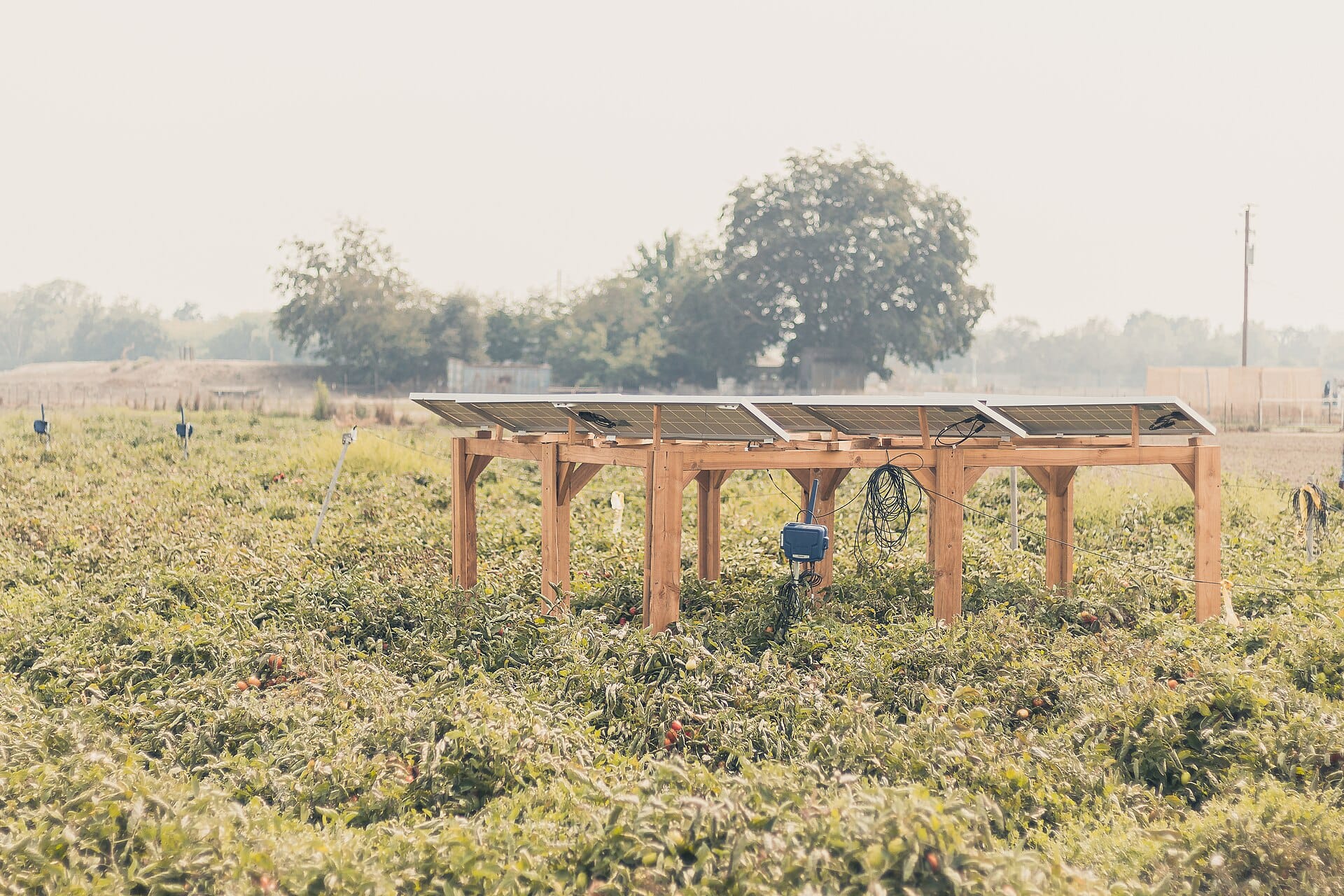
Agrivoltaics, where crops grow beneath raised solar panels, lets the same land produce both food and clean electricity. Partial shade can also reduce heat stress and water loss for some crops, which makes the idea especially interesting for dry regions.
Benefits of Sustainable Agriculture
- Lower costs: making compost and bio-inputs on the farm cuts spending on fertiliser and pesticide.
- Resilience: soil rich in organic matter holds more water, so crops cope better with erratic rain.
- Cleaner water and air: less chemical runoff and less stubble burning.
- Climate benefits: healthier soils store carbon, and efficient pumping lowers energy use.
- Healthier food: fewer chemical residues reach consumers.
Government Schemes That Support Sustainable Agriculture
- Paramparagat Krishi Vikas Yojana (PKVY): supports clusters of farmers moving to organic farming.
- National Mission on Natural Farming: promotes chemical-free, locally sourced farming inputs.
- Soil Health Card scheme: gives farmers soil-test-based nutrient advice.
- Pradhan Mantri Krishi Sinchayee Yojana (Per Drop More Crop): subsidises micro-irrigation.
- PM-KUSUM: supports solar pumps and solar power for farmers.
Scheme terms, subsidies and eligibility change from year to year and vary by state, so check with your local agriculture department or Krishi Vigyan Kendra before applying.
How Consumers Can Support Sustainable Agriculture
Farmers can only keep farming sustainably if people buy what they grow. Choose seasonal, local produce, look for credible organic certification, try millets and pulses alongside rice and wheat, and cut food waste at home. If you are planning a bigger move, our guide to sustainable agriculture business ideas for rural entrepreneurs shows how others are building livelihoods around these practices.
Small shifts, repeated across millions of farms and kitchens, add up to a food system that can feed India without exhausting it. Keep exploring practical ideas for sustainable living on Prakati.