
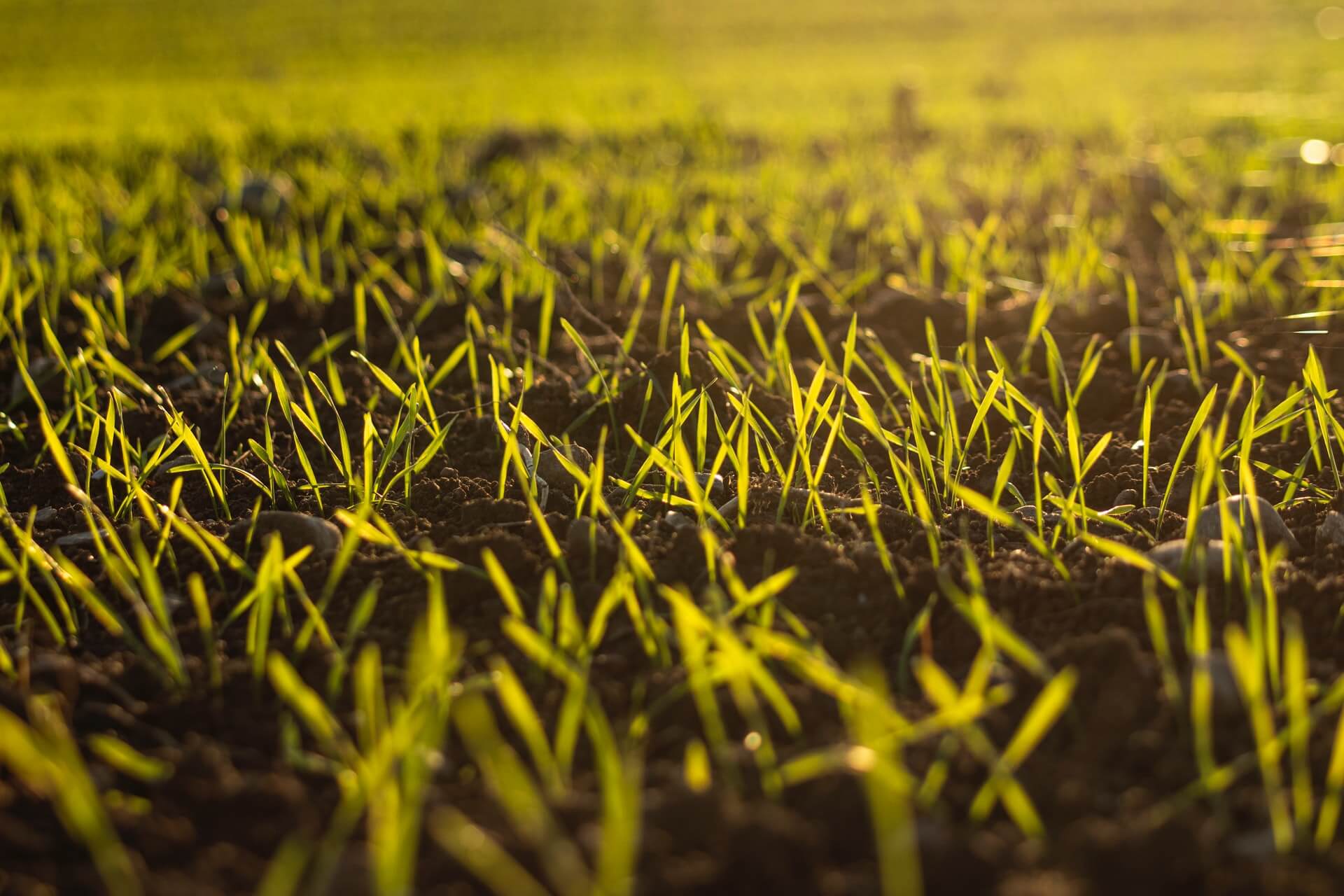
Rural India is sitting on one of the most significant economic opportunities of the next decade — and it has nothing to do with technology parks or urban migration. It has to do with soil, seeds, and the way food is grown. A growing number of rural entrepreneurs are discovering that sustainable farming is not just better for the land — it is also a smarter business model. This post is for those entrepreneurs: the ones with roots in agriculture who are looking for ways to build something that lasts.
These are not abstract ideas. They are grounded in models that real businesses across India are already running — several of them listed in Prakati’s Green Directory or featured as changemakers on prakati.in.
Why Rural Entrepreneurs Are Well-Placed for Sustainable Agriculture
Rural entrepreneurs bring something that urban investors and founders often lack: proximity to land, understanding of seasonal cycles, established relationships with farming communities, and a genuine stake in the long-term health of the local ecosystem. These are advantages, not limitations. Regenerative and organic agriculture businesses require exactly this kind of embedded, ground-level knowledge to operate well. The market is catching up with what rural India already knows.
5 Sustainable Agriculture Business Ideas for Rural India
1. Organic Input Manufacturing (Vermicompost and Bio-Fertilisers)
Every organic farm needs inputs that replace synthetic fertilisers and pesticides. Vermicompost, cow dung compost, cow urine-based preparations, and microbial bio-fertilisers are in growing demand as farmers shift away from chemical dependence. Manufacturing these inputs locally — from cattle resources that rural households already have — is a practical, capital-light business with a reliable customer base among neighbouring farmers.
Real example from the Prakati Green Directory: Avya Agro, listed on the Prakati Green Directory, is based in Panvel, Navi Mumbai, Maharashtra. Founded in 2020, the firm manufactures vermicompost, cow urine preparations, cow dung manure, and organic fertilisers — exactly the product range rural entrepreneurs in agricultural belts can replicate using locally available inputs. Their tagline “In Goodness We Trust” reflects the trust-based relationship these businesses build with farming communities.
2. Agri-Tourism and Farm Experiential Business
Urban families increasingly want to experience what food production looks and feels like. A farm that opens its gates to visitors — for a weekend stay, a school field trip, a corporate offsite, or a yoga retreat — is monetising its land in a way that does not compete with food production but complements it. The model works especially well when the farm is run on natural principles: no chemicals, diverse crops, visible soil health practices, and animals integrated into the ecosystem.
Real example from the Prakati Green Directory: The Lilac Farm, listed on the Prakati Green Directory, is a 13-acre sustainable farmstay near Bengaluru, Karnataka. Founded by mother-daughter duo Anitha Ajith and Christina Ajith, the farm operates entirely on solar power, maintains zero-waste practices through composting, has planted over 10,000 trees, and houses a rescued animal sanctuary with 60+ creatures. Visitors come for farmstays, yoga retreats, and corporate outings. The farm cultivates seasonal produce through natural methods without chemical inputs — and the business model makes the land work harder without working it harder.
3. Native Seed Conservation and Supply
India has thousands of indigenous crop varieties that are naturally adapted to local climate conditions, pest pressures, and soil types. Most have been displaced by hybrid and GM varieties over the past fifty years. A native seed conservation and supply business — cataloguing, growing, and distributing desi seeds to organic farmers, home gardeners, and agri-institutions — fills a critical gap in the ecosystem. Revenue streams include seed sales, training workshops, and partnerships with government agricultural extension programmes.
Real example from Prakati Changemakers: 8 Naturals, featured on prakati.in, is a Maharashtra-based native plant nursery that is working to build India’s largest desi seed bank. The initiative exemplifies what rural biodiversity stewardship can look like as a business — grounded in ecological purpose, with a product (native seeds and plants) that cannot be replicated by industrial suppliers. This is a sustainability changemaker model that rural entrepreneurs with local botanical knowledge are uniquely positioned to pursue.
4. Farmers’ Collective for Organic Certification and Market Linkage
Individual smallholder farmers often cannot afford organic certification on their own, and struggle to access premium markets without a consolidated voice. A Farmer Producer Organisation (FPO) or a privately run collective can pool resources for PGS-India certification, aggregate produce to meet minimum order quantities, negotiate better prices, and handle logistics collectively. The entrepreneur who organises and runs such a collective earns a management fee and often a margin on aggregated sales — while directly improving farmer income.
This model is supported by the Indian government’s FPO scheme (10,000 FPOs target), which provides equity grants, credit facilitation, and market linkage support. Rural entrepreneurs with community trust and organisational skills are far better placed to run these than outsiders.
5. Agroforestry and Carbon Credit Business
Agroforestry — the practice of integrating trees into cropland — improves soil health, reduces water requirements, provides shade for crops and animals, and generates additional income from timber, fruit, or medicinal plants. Increasingly, agroforestry projects can also be monetised through carbon credits, as trees sequester carbon that can be sold on voluntary carbon markets. While carbon credit markets in India are still developing, several accreditation pathways are now accessible to rural enterprises.
Start with the agroforestry practice first, document it carefully, and engage with carbon credit aggregators once you have established baseline data over two to three growing seasons. The income from carbon sequestration is supplementary, not primary — but over time it can become meaningful.
What Makes These Business Models Resilient
Each of these ideas shares a few structural characteristics that make them more durable than conventional farming businesses:
They work with natural systems, not against them. Regenerative and organic practices reduce input costs over time as soil health improves. A conventional farm’s input bill grows year on year; a well-managed organic farm’s decreases.
They command premium pricing. Organic and sustainably produced goods consistently fetch 20–40% more in the market than conventionally produced equivalents. The premium is real, and it is growing as consumer awareness rises.
They build community relationships. Sustainable agriculture businesses depend on trust — with farmers, with customers, with local government. That trust, once built, is a competitive advantage no investor can buy.
Getting Started: Practical First Steps
If you are a rural entrepreneur exploring these models, here is where to begin. Connect with your state’s agriculture department for information on organic certification support, FPO formation, and subsidised inputs for organic farming. Look at the National Centre of Organic and Natural Farming (NCONF) resources for technical guidance. Visit farmers and businesses that are already doing this — at least two or three field visits before committing to a model will save you from expensive assumptions.
And remember: the transition from conventional to organic food production takes two to three years, during which certification cannot be claimed. Plan your finances to bridge that transition period without depending on the organic premium before it arrives.
India’s green economy will be built in cities and villages alike. The village portion — the part that begins with healthy soil and ends with food people can trust — may well be the most important part of all. Small changes in how we farm add up to make a very large difference.
Sresta natural Bio product limited 3year experience (itc Ltd) organic corindar organic mustard proquirment