
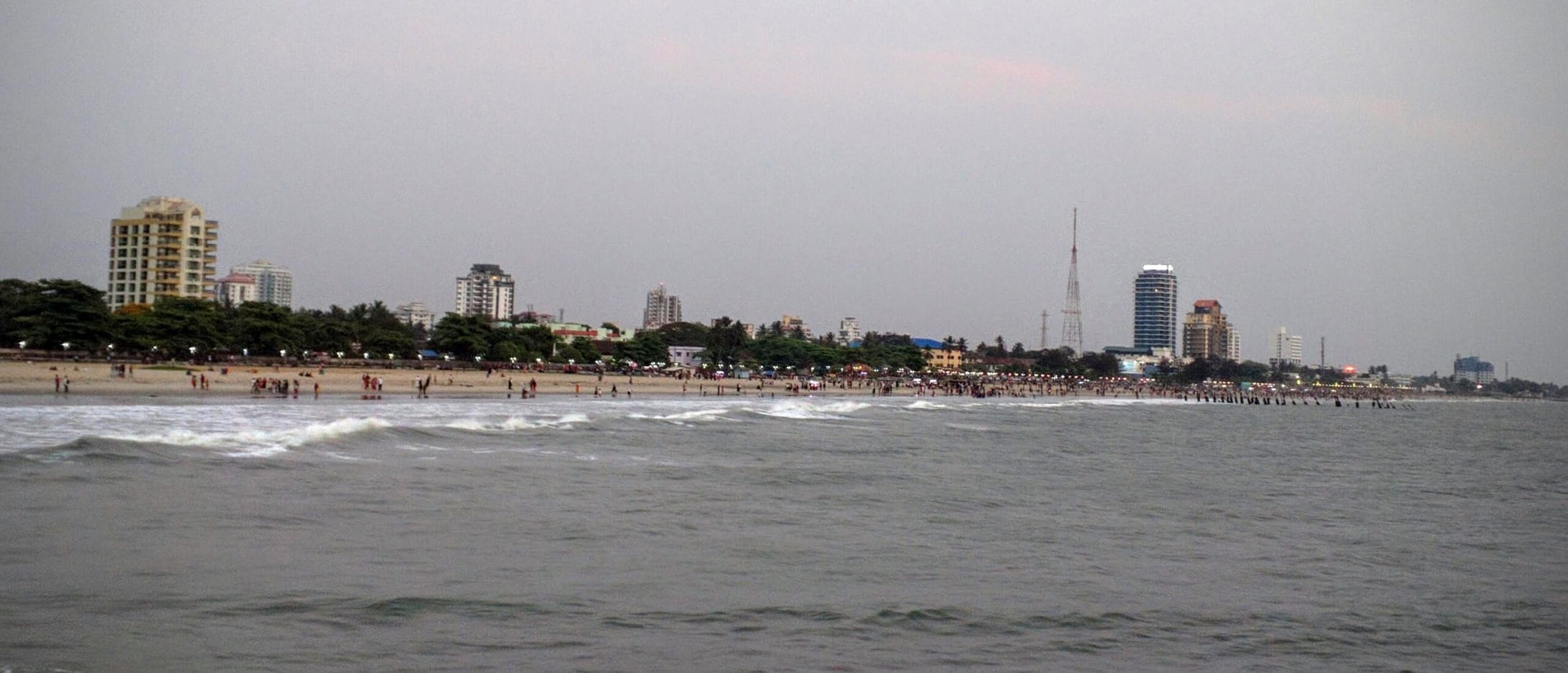
India has 11,098 kilometres of coastline touching nine states and four Union Territories — one of the longest national coastlines in the world, and one that, like most of the world’s coasts, has spent decades quietly accumulating plastic, industrial debris, and ordinary trash that washes down rivers and out to sea. In September 2026, the Ministry of Earth Sciences is running the fifth edition of the campaign built specifically to fight back against that: Swachh Sagar, Surakshit Sagar — “Clean Coast, Safe Sea.”
Union Minister of State (Independent Charge) for Earth Sciences Dr Jitendra Singh formally launched SSSS v.5.0 on 1 September 2026, with the flagship week of activity running from 12–19 September.
From a Single Cleanup Day to a Nationwide Movement
It’s worth tracing how this campaign got to its fifth edition, because the trajectory tells you something about what’s actually working. SSSS launched in 2022 as a 75-day citizen-led initiative, timed to run alongside India’s 75th year of independence, with a coordinated cleanup drive across 75 beaches nationwide — one beach clean-up “team” per kilometre of coastline covered. By its third edition in 2024, the campaign had grown to more than 80 locations and removed over 60 tonnes of waste in a single coordinated push — plastic, metal, cloth, rubber, and wood debris pulled off beaches by volunteers in a single sustained campaign window.
This year’s edition, spearheaded by the Ministry of Earth Sciences under the broader Swachh Bharat and Jan Bhagidari (“people’s participation”) framework, is explicitly scaling further: beach clean-up drives across 100+ locations nationwide, plus a human chain, cycling rallies, marathons, and a first-ever national Ocean Olympiad aimed at building environmental awareness specifically among students and young people. Dr Singh framed the effort in a video message as building on the vision of the Deep Ocean Mission — India’s broader programme for exploring and sustainably using ocean resources, which SSSS effectively operates as the citizen-facing, ground-level counterpart to.
Why This Matters Beyond the Cleanup Itself
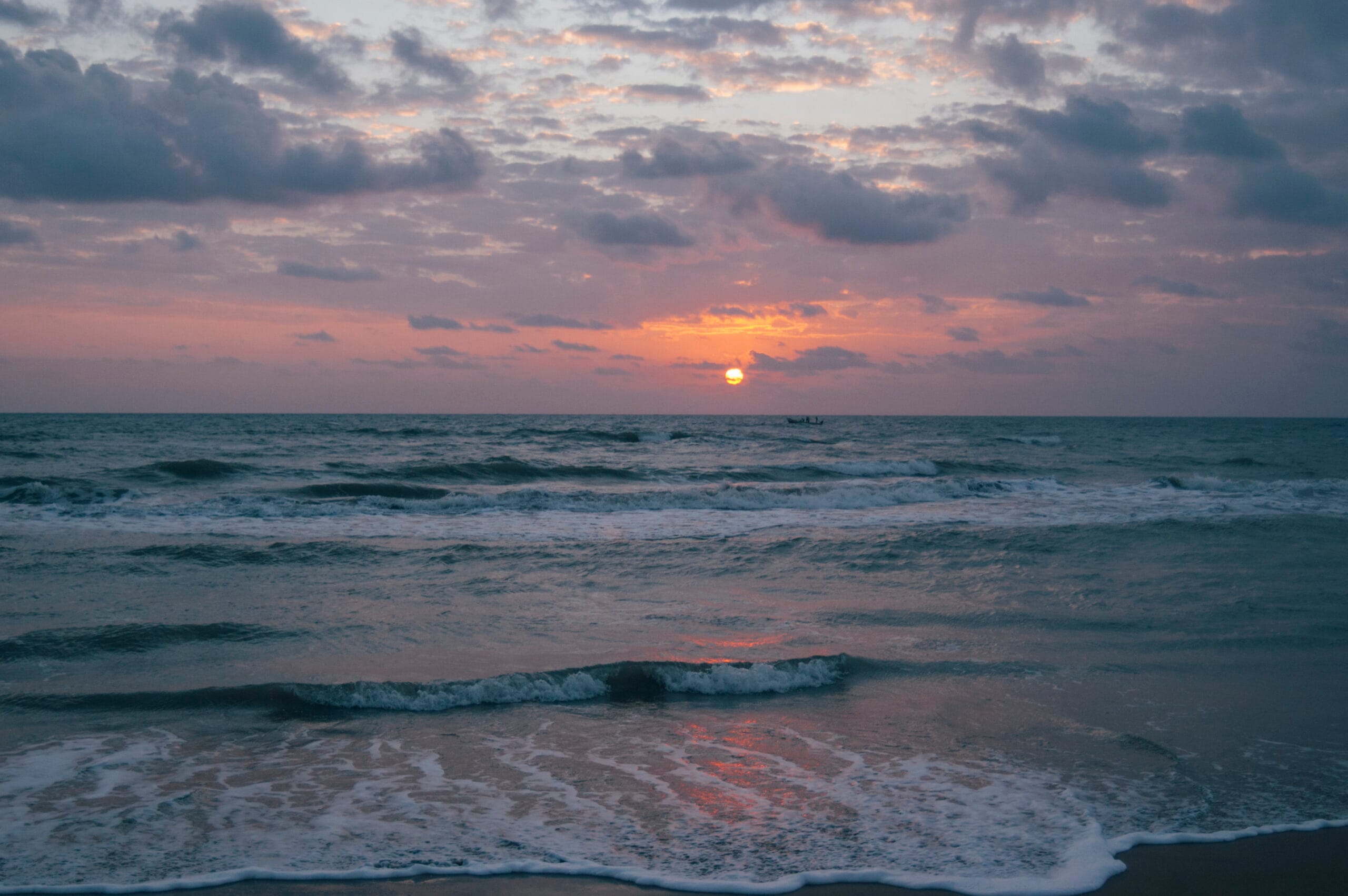
It’s easy to be cynical about beach cleanup campaigns — a single week of volunteers picking up litter doesn’t fix the upstream sources of marine plastic pollution, which mostly originate from land-based waste management failures (uncollected municipal waste, river-borne plastic, and industrial discharge) rather than beachgoers’ litter alone. That critique is fair, and it’s worth being honest about the limits of what any cleanup campaign, however large, can actually solve.
But dismissing SSSS on those grounds misses what the campaign is actually designed to do, which is less about the tonnage of waste removed in any single week and more about building sustained public awareness and behavioural norms around ocean health — the kind of shift that, over multiple years and editions, changes how ordinary people relate to the coastline they live near or visit. Marine plastic pollution is a genuinely severe and growing problem: it harms marine biodiversity through ingestion and entanglement, degrades fisheries that coastal communities depend on economically, and increasingly shows up in the human food chain through the fish we eat. A public that has spent five consecutive years being asked to show up, pledge, and physically clean a beach is a public more likely to support the harder upstream policy changes — better municipal waste segregation, stricter industrial discharge rules, extended producer responsibility for plastic packaging — that would actually solve the root problem.
What’s New in the Fifth Edition
This year’s launch leaned more heavily into digital infrastructure than previous editions — an official SSSS v.5.0 website with details on beach locations and cleanup logistics, a dedicated Ocean Conservation Pledge, and a “Sagar Prahari” mobile app for participants to stay connected with campaign activities. The Ocean Olympiad, open for youth registration, is a genuinely new addition aimed at converting one-time cleanup participation into more sustained environmental literacy among students — testing knowledge of marine ecosystems and ocean conservation rather than just asking for a day of volunteer labour.
Dr Singh’s public messaging around the launch was explicit about wanting the campaign to keep scaling in ambition: “Let this year’s campaign become a massive Jan Bhagidari movement,” he said, calling on citizens to bring their families, schools, colleges, and community organisations into the pledge. Whether that scale-up actually happens will show up in the numbers when the campaign wraps on 19 September — how many locations actually saw activity, how much waste got removed, and how many people took the online pledge versus previous years.
The Bigger Picture
Five years in, SSSS has become one of the more durable examples of a government-led environmental campaign that has actually grown rather than faded after its launch-year novelty wore off — a pattern that’s genuinely rare for citizen-participation environmental initiatives anywhere in the world. Coastal cleanup campaigns alone won’t solve ocean plastic pollution; that requires policy changes further up the waste chain, from how India manages municipal solid waste to how it regulates single-use plastic manufacturing. But a campaign that has sustained and grown its public participation across five consecutive years is doing real work in building the public constituency that makes those harder policy fights easier to win — connecting directly to the broader push for better waste management across the country, on land and at sea alike.
If you’re near India’s coastline between 12–19 September, the campaign’s own pitch is straightforward: show up, take the pledge, and help pick up what shouldn’t be there in the first place. This effort sits alongside India’s other major water-security pushes this season, including the first National Departmental Summit on Water and the India-Germany wetlands declaration, all part of a broader national moment for water and ocean conservation.
Source: Press Information Bureau, Government of India — Union Minister Dr Jitendra Singh Launches the 5th Edition of ‘Swachh Sagar, Surakshit Sagar 2026’ as a Nationwide People’s Movement for Ocean Conservation