
Long before “waste to energy” became a policy slogan, a scientist in Uttar Pradesh was turning cow dung into cooking fuel. On 13 November the Department of Posts released a commemorative postage stamp honouring Ram Bux Singh (1925-2016), and with it the Ram Bux Singh biogas story gets national recognition as a pioneer of the technology.
Ram Bux Singh biogas work: what he built
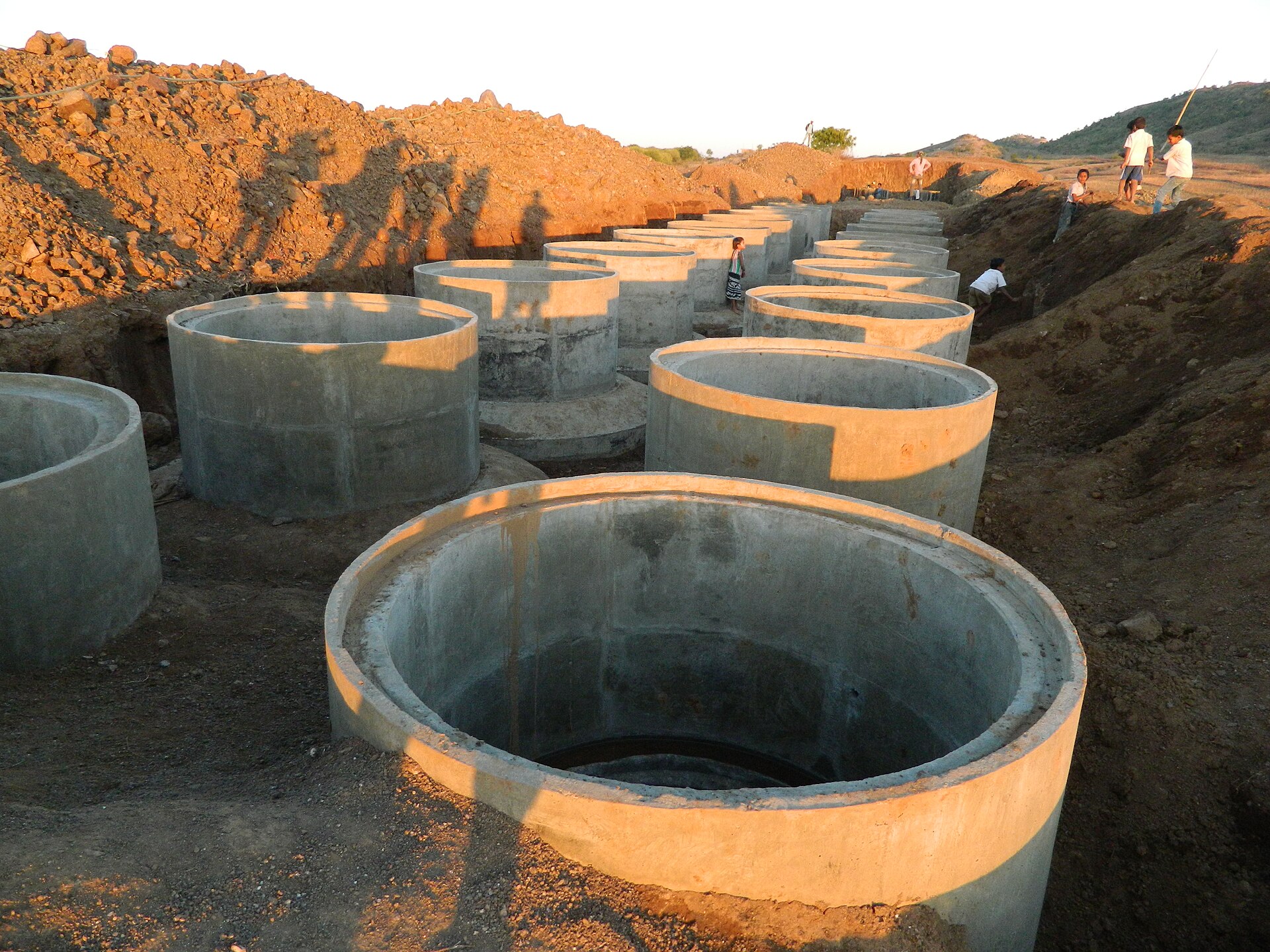
In 1957 Singh inaugurated one of India’s earliest successful gobar gas plants at Sitapur, Uttar Pradesh. He later spent 16 years as Officer-in-Charge of Asia’s first Gobar Gas Research Station at Ajitmal, and contributed to renewable energy initiatives in more than 15 countries.
His book “Biogas Plant: Generating Methane from Organic Wastes” is catalogued by the US Library of Congress; his papers were acquired by the National Archives of India in 2023 and digitised on Abhilekh Patal, and his work features in NCERT textbooks.
Why it still matters
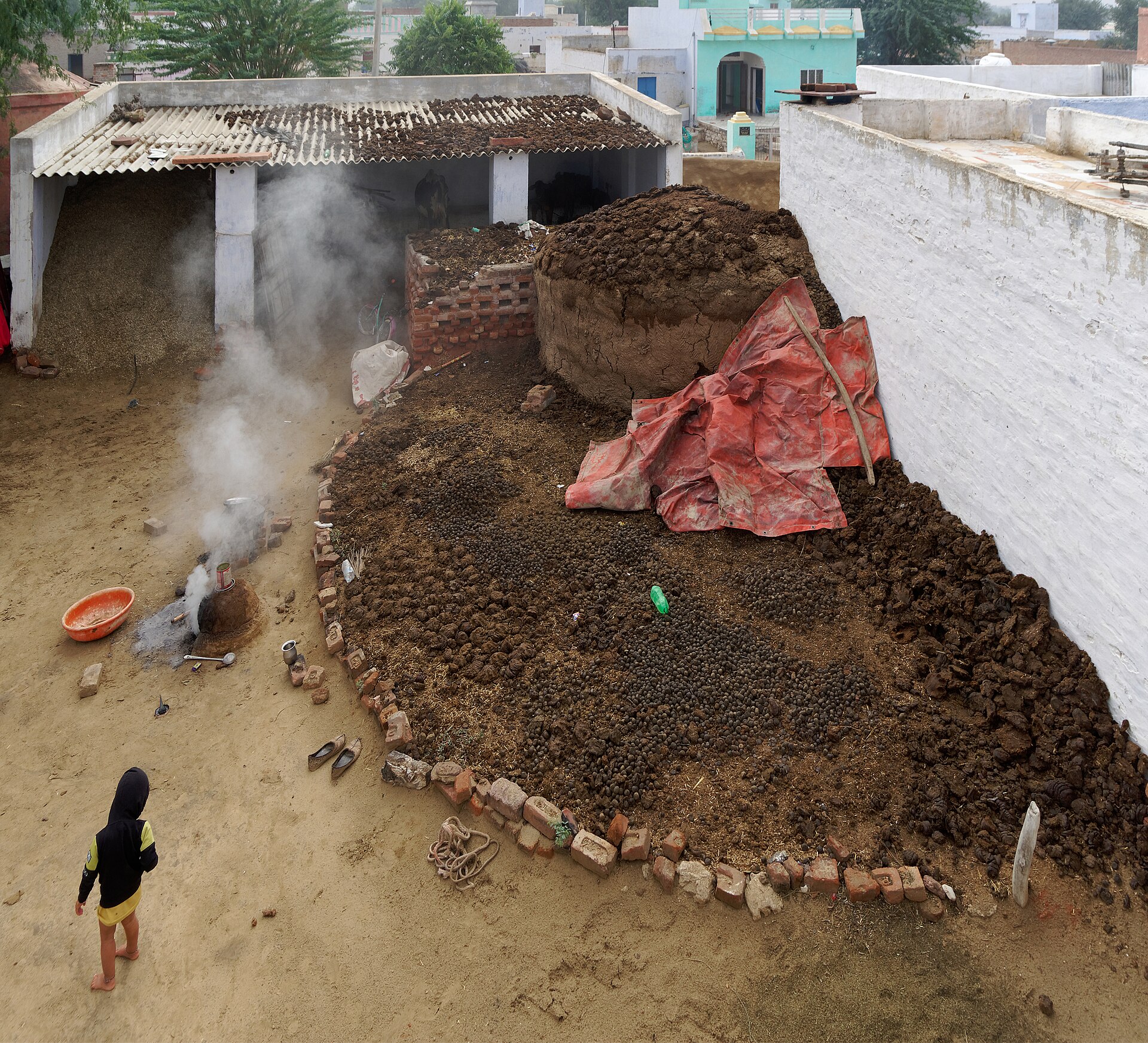
Biogas turns dung and farm waste into clean cooking gas and nutrient-rich slurry, cutting methane released from untreated waste and reducing reliance on firewood and LPG. It is the same idea behind today’s GOBARdhan programme and compressed biogas plants.
The stamp is a reminder that India’s clean energy story includes quiet rural innovators as well as giant solar parks. If you are curious how the technology works at home scale, read our biogas plant guide, and explore more sustainable energy stories and India news.