
Prakati Edit · Immunity Booster Foods for Winter
Natural Immunity Booster Foods: 6 Traditional Winter Pantry Picks
Six humble, single-ingredient staples that Indian kitchens have turned to every cold season — and what to check before you pick a pack.
When the mornings turn misty and the first sweater comes out, Indian kitchens quietly shift gears. Tulsi goes into the tea, a little ginger and turmeric find their way into the kadha, and a spoonful of honey sweetens the evening glass of warm milk. These are the foods many families call immunity booster foods — a label rooted in tradition and home practice, not in any promise from us. This guide gathers six single-ingredient pantry staples, described the way they are traditionally used, with a note on what to check on each product page. Keeping the pantry simple is also a small act of sustainable living: fewer ingredients, less processing, and food you can trace.
Disclosure: this guide contains Amazon India affiliate links. If you buy through them, Prakati may earn a small commission at no extra cost to you — it helps keep our sustainability journalism free. Prices are what we saw on 26 November 2026 and change often. This article is for general information and is not a substitute for medical advice.
How We Chose These Immunity Booster Foods
Every one of these immunity booster foods is a single, recognisable ingredient — one familiar herb, fruit, spice or honey — rather than a blend with a long label. We looked for products whose own listings mention organic certification, a single origin or a clear ingredient. We attribute those statements to the brand, because we have not tested or audited them.
Ratings, review counts, licence numbers and pack material are not something we can vouch for here, so each entry carries a short reminder to check the product page. In short, these are traditional foods, not treatments, and food is never a stand-in for medical care.
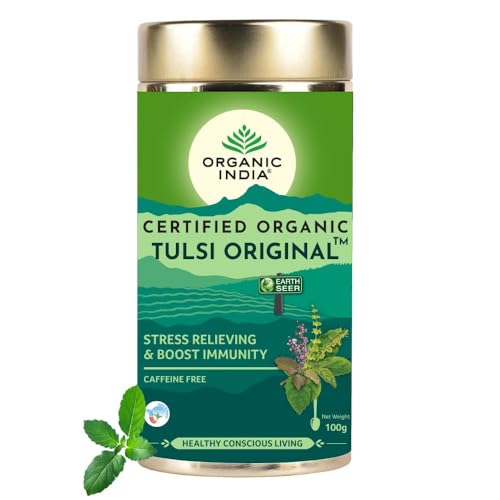
Organic India Tulsi Original (Loose Leaf)
Tulsi, or holy basil, is one of the most familiar plants in an Indian home, grown in courtyards and brewed as a daily herbal tea for generations. This pack is a single-ingredient loose-leaf herb, and the listing describes it as certified-organic whole-herb tulsi, blending the Rama, Krishna and Vana varieties. Traditionally it is steeped in hot water for a few minutes, sometimes with a slice of ginger or a little honey, as a caffeine-free cup in the cold months. However, the organic claim is the brand’s own, so look for the logo and licence details on the pack.
Verify on the product page: current price, ratings and reviews, FSSAI and certification details, and pack material.
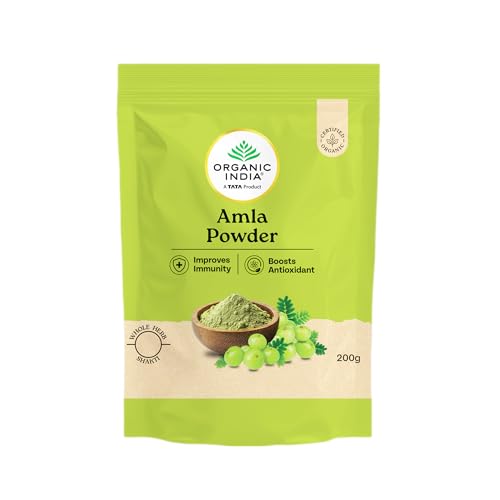
Organic India Amla Powder
Amla, the Indian gooseberry, is the traditional base of chyawanprash and a winter staple in pickles, murabba and home preparations passed down in families. This pouch is a single-ingredient powder made from whole organic amla fruit, as the listing describes it. Because it is simply dried, ground fruit, it is distinctly tart. For example, many households stir a spoonful into water or buttermilk, or mix it into a little jaggery, rather than eating it plain. Likewise, every organic claim in this guide is the brand’s own statement, so check the certification details on the pack.
Verify on the product page: current price, ratings and reviews, FSSAI and certification details, and pack material.
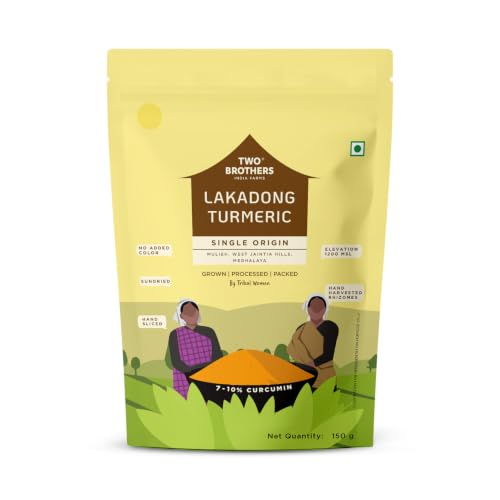
Two Brothers India Farms Lakadong Turmeric Powder
Haldi is the quiet constant of the Indian kitchen, and the Lakadong variety from the Jaintia Hills of Meghalaya is known for its deep colour. This pouch is a single-origin powder, and the brand states a higher curcumin percentage than ordinary turmeric — that is its own claim, not something we have tested. In winter, haldi doodh, turmeric stirred into warm milk, is a long-standing home tradition. Besides that, the powder goes into dals and sabzis year-round, so if the figure matters to you, look for lab or certification details on the product page.
Verify on the product page: current price, ratings and reviews, FSSAI and certification details, and pack material.
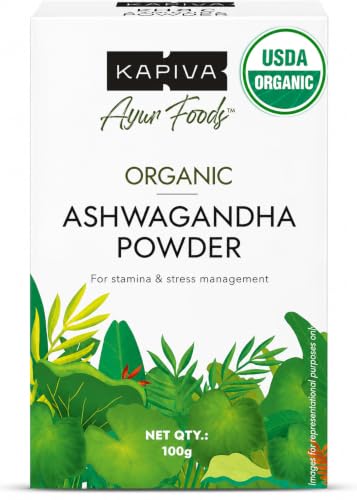
Kapiva Organic Ashwagandha Powder (Pack of 2)
Ashwagandha is a root used for centuries in Ayurvedic tradition, and in winter routines it appears as a powder stirred into warm milk. This listing is for two 100 g pouches, and it mentions the Jaivik Bharat and USDA Organic labels — both are the brand’s claims. Two pouches mean a little more packaging per use, so consider whether you will finish both before the best-before date. Also, because ashwagandha is a medicinal herb, speak to a doctor first if you are pregnant, have a thyroid condition, take regular medication or are managing any health condition.
Verify on the product page: current price, ratings and reviews, FSSAI and certification details, and pack material.
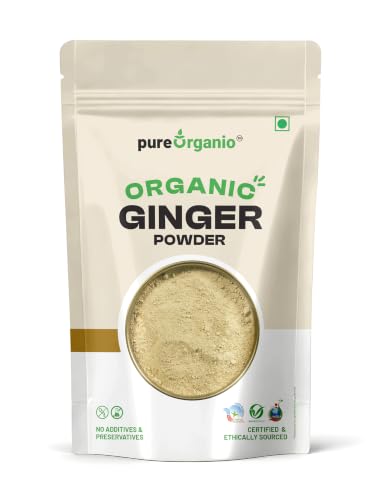
Pure Organio Organic Dry Ginger (Sonth) Powder
Sonth, or dried ginger, is the warming spice behind many a winter masala chai and home kadha, usually added in a pinch alongside tulsi, black pepper and jaggery. This pouch is a single-ingredient dry ginger powder, and the listing title states NPOP India organic certification — the brand’s claim, to be checked on the pack. A little goes a long way, so one pouch usually lasts a full season on the spice shelf. Finally, sonth also features in the laddus and halwa that many families traditionally make once the weather turns cold.
Verify on the product page: current price, ratings and reviews, FSSAI and certification details, and pack material.
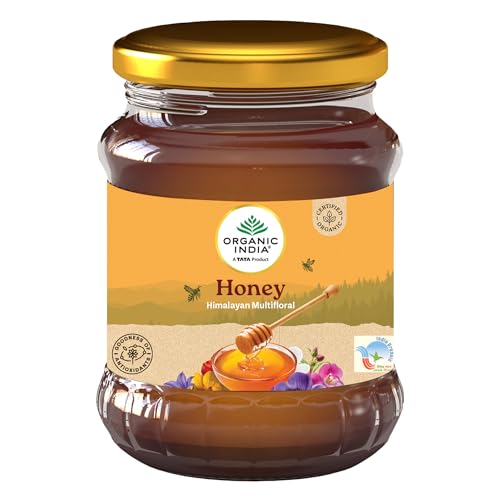
Organic India Himalayan Multi Floral Honey (Raw)
Raw honey is stirred into warm water or tulsi tea in many homes through the winter. This jar is described in the listing as raw, multi-floral Himalayan honey. However, a caution on price: ₹155 for 250 g of organic honey looks low, so confirm the pack size, the seller and the listing details on the page before relying on it. Also, honey must never be given to infants under one year of age. For more on how to read a honey label, see our guide to natural organic honey.
Verify on the product page: current price, ratings and reviews, FSSAI and certification details, and pack material. Confirm the pack size and seller, as the price looks low for this quantity.
FAQs on Immunity Booster Foods
What are immunity booster foods?
The phrase is commonly used for everyday foods and herbs — tulsi, amla, turmeric, ginger and honey among them — that Indian households have traditionally eaten in the cold season. It is a traditional label rather than a medical one. No single food can prevent illness, and a varied diet, good sleep and proper medical care matter far more.
How should I choose a pack of tulsi, amla or ginger powder?
Prefer single-ingredient products, read the ingredient list and best-before date, look for an FSSAI licence number and any organic logo, and choose a pack size you will actually finish. Certification statements on a listing are the brand’s own, so verify them on the pack or the product page.
Can everyone use immunity booster foods and herbs?
Not necessarily. Anyone who is pregnant, breastfeeding, taking regular medication or managing a health condition — thyroid conditions in particular in the case of ashwagandha — should consult a doctor first. Honey is not suitable for infants under one year. Nothing in this guide replaces medical advice.
A Simple Winter Pantry of Immunity Booster Foods
Winter food wisdom in India has always been simple: seasonal, cooked at home, and kept close to the ingredient. So pair these staples with seasonal produce — our notes on organic food are a good next read — and read our companion guides to jaggery and other winter superfoods and, in Hindi, to natural chyawanprash. Above all, this article is general information, not medical advice; please consult a qualified doctor about your own health.
Cover image: Tulsi leaves by Snjsharma, CC BY-SA 4.0, via Wikimedia Commons.