
Prakati Edit · Winter Superfoods 2026
Jaggery and Other Winter Superfoods: 8 Traditional Picks for India
Gur, til, makhana, ragi and honey — the old winter plate, with a few notes on what to check before you choose a pack.
Every Indian winter has its own edible rituals: til-gud laddus at Makar Sankranti, ragi and bajra rotis with white butter, a piece of gur after lunch. Call them winter superfoods if you like — the word is modern, but the habits are generations old. This guide gathers eight traditional pantry items led by jaggery, in its block, powder, liquid and palm forms, and describes each the way it is usually eaten. Choosing simple, minimally processed food is also a small step towards sustainable living, and it starts with reading labels carefully.
Disclosure: this guide contains Amazon India affiliate links. If you buy through them, Prakati may earn a small commission at no extra cost to you — it helps keep our sustainability journalism free. Prices are what we saw on 26 November 2026 and change often. This article is for general information and is not a substitute for medical advice.
How We Chose These Winter Superfoods
These winter superfoods are ordinary pantry items, not exotic imports: four kinds of jaggery, sesame, makhana, honey and ragi. We deliberately left out imported dates and similar products. Where a listing mentions organic, GI or sulphur-free labels, we attribute the statement to the brand, because we have not tested or audited it.
Ratings, review counts, licence numbers and pack material are not something we can vouch for here, so each entry carries a short reminder to check the product page. In short, these are traditional foods, not treatments, and they are no substitute for medical advice.
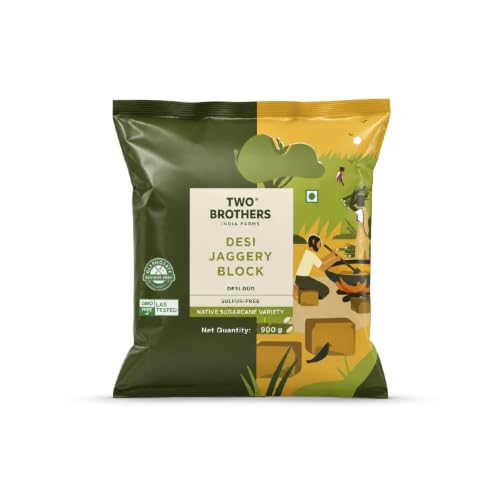
Two Brothers India Farms Handmade Sugarcane Jaggery Block
A classic block of sugarcane jaggery is made the traditional way: cane juice is boiled down in open pans and set into blocks. The listing describes this one as handmade, glyphosate-free and made without sulphur — all of them the brand’s own claims, so check the label for details. A 900 g block suits a household that cooks with gur regularly. For example, grate it into tea, melt it into halwa or kheer, or eat a small piece after a meal, as many families do in winter. Our note on organic jaggery explains what to look for on a label.
Verify on the product page: current price, ratings and reviews, FSSAI and certification details, and pack material.

FaithFoods Organic Jaggery Powder
This listing is for a 500 g pouch of organic jaggery powder. According to the listing, it mentions a Kolhapur GI tag and sulphur-free processing. We have not been able to verify the company behind it, so please treat these as listing claims and check the pack for GI, organic and FSSAI details. Powdered jaggery dissolves easily in tea, coffee and milk, and it is simpler to measure than a block. As a result, it is a practical option for everyday cooking.
Verify on the product page: current price, ratings and reviews, FSSAI and certification details, and pack material.
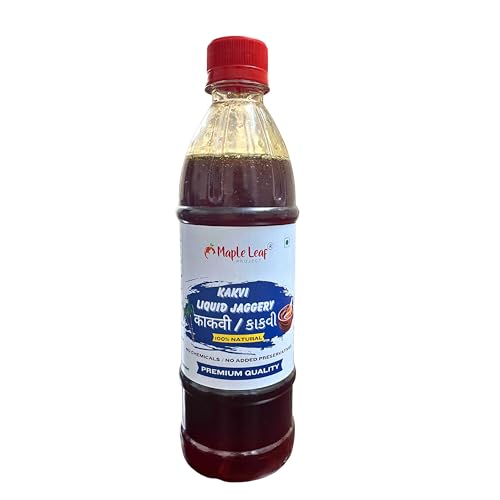
Maple Leaf Project Liquid Kakvi Jaggery
Kakvi, or liquid jaggery, is the thick, dark syrup that sugarcane juice becomes before it is set into blocks. It pours straight from the bottle onto pancakes or ragi porridge, or into warm milk, and it is widely used in Maharashtra and Karnataka kitchens. However, we have not confirmed what the bottle is made of, so check the pack material on the product page. Also read the ingredient list, because liquid jaggery varies from producer to producer.
Verify on the product page: current price, ratings and reviews, FSSAI and certification details, and pack material. Pay particular attention to the bottle material.

Urban Platter Palm Jaggery (Karupatti)
Karupatti, jaggery boiled down from palm sap, is a staple of Tamil Nadu kitchens. It goes into pongal and sweet kozhukattai and dissolves into hot coffee. The listing describes this 300 g jar as unrefined and chemical-free, again the brand’s own claims, and the pack photo shows a granulated form. Palm jaggery has a deeper, slightly smoky caramel flavour than cane jaggery, so it suits tea, porridge and traditional sweets. Because the jar looks like it may be plastic, check the pack material on the product page.
Verify on the product page: current price, ratings and reviews, FSSAI and certification details, and pack material.

True Elements Raw Black Sesame Seeds (Til)
Til is at the heart of the winter table. Til-gud laddus and chikki appear around Makar Sankranti and Lohri, and sesame also turns up in chutneys and sprinkled over rotis. These are raw black sesame seeds in a 250 g pouch. Dry-roast them lightly before using, or grind them with jaggery, as many households do. Black sesame is traditionally linked with the colder months in Indian cooking. Since the listing offers little detail on origin or certification, check the pack.
Verify on the product page: current price, ratings and reviews, FSSAI and certification details, and pack material.

Tata Sampann Natural Makhana
Makhana, or fox nuts, are the puffed seeds of the lotus plant, grown largely in the ponds of Bihar’s Mithila region. Roasted in a little ghee with salt and pepper, they make a light winter snack. In addition, they turn up in kheer and in vrat (fasting) dishes. This is a 200 g pouch of plain makhana. Compare the price per gram with other brands, and check the best-before date, because makhana loses its crunch if stored for long.
Verify on the product page: current price, ratings and reviews, FSSAI and certification details, and pack material.

Dabur Organic Honey
Honey is stirred into warm water or tulsi tea in many homes through the winter, and it sweetens kadha and warm milk. This 500 g jar is described in the listing as raw, unpasteurised honey, and the title names NPOP organic certification — both are the brand’s claims. Honey must never be given to infants under one year of age. Our guide to natural organic honey covers how to read a honey label.
Verify on the product page: current price, ratings and reviews, FSSAI and certification details, and pack material.
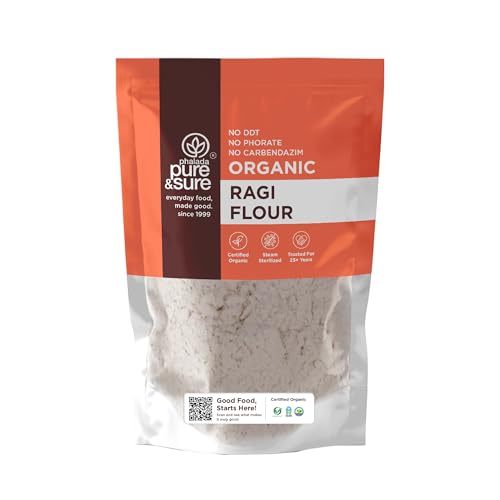
Phalada Pure & Sure Organic Ragi Flour
Ragi, or finger millet, makes soft rotis, dosas and porridge, and it is a staple in Karnataka and across the Deccan. This 1 kg pouch is described in the listing as organic and chakki-ground, which are the brand’s claims. Winter ragi dishes such as ragi mudde, ragi roti and malt porridge are traditional in many households. Because wholegrain flour keeps less well than refined flour, buy a quantity your household will use within a couple of months.
Verify on the product page: current price, ratings and reviews, FSSAI and certification details, and pack material.
How to Spot Adulterated Jaggery
Common problems with market jaggery are sulphur or other chemical clarifiers used to lighten the colour, added colouring agents, and added sugar or fillers. Labels that say sulphur-free, unsulphured or chemical-free, an organic logo and a visible FSSAI licence number are a better starting point than appearance alone.
Colour by itself is an unreliable guide: traditional jaggery ranges from golden to deep brown, while a very bright, uniformly pale block can be a sign of heavy processing. So read the label, buy from sources that name the producer, and be cautious about unusually cheap packs.
FAQs on Winter Superfoods
How can I check if jaggery is pure?
No single home test is fully reliable. Read the label instead: look for sulphur-free, unsulphured or chemical-free wording, an organic logo and a valid FSSAI licence number, and prefer producers who name themselves. If you are unsure, ask the seller for lab or certification details.
Is jaggery a healthier choice than sugar among winter superfoods?
Jaggery is a less refined sweetener that Indian kitchens have used for generations, but it is still a sugar-based food. Enjoy it in moderation, and if you are managing blood sugar or any health condition, speak to your doctor first.
How should I store jaggery and other winter superfoods?
Keep jaggery, sesame, makhana and flours in airtight containers in a cool, dry place. Blocks harden and powders clump in humid weather, and wholegrain flours and seeds are best used within a few months.
A Warmer, Simpler Winter Plate of Superfoods
Winter in India has always had its own plate: something sweet and earthy, something roasted, something warm to drink. If you are building a simple winter pantry, start with our guide to natural immunity booster foods, read more about organic food, and browse our eco friendly products collection. This article is general information, not medical advice.
Cover image: Jaggery cubes by Mangosapiens, CC BY-SA 4.0, via Wikimedia Commons.