

Big cats do not store carbon the way a forest does. A tiger does not breathe in carbon dioxide and lock it away. So what does big cat conservation have to do with climate change? At COP31 in Antalya, India’s answer was simple: protect the cat and you protect the landscape, and the landscape is where the carbon sits.
The big cat conservation event
On 16 November, India’s Environment Ministry and the International Big Cat Alliance (IBCA) hosted a high-level ministerial side event titled “Big Cats: Drivers of Climate Change Mitigation”. Environment Minister Bhupender Yadav spoke alongside ministers and representatives from big cat range countries Nepal, Venezuela, Cambodia and Sri Lanka, plus officials from conventions including Ramsar and UNCCD. IBCA’s Director General, S.P. Yadav, presented the alliance’s work and the status of big cats across member countries.
The minister said it plainly: big cats may not directly sequester carbon, but protecting them safeguards forests, grasslands, wetlands and mountain ecosystems that do. That conservation also prevents emissions from habitat degradation and strengthens climate resilience. Because big cats are “umbrella species”, protecting enough room for them shelters thousands of other species and the communities that depend on those places.
The numbers India brought
- 58 tiger reserves covering about 85,000 square kilometres of forest, with the carbon stocks they hold.
- More than 600 rivers originate in or flow through these landscapes, making tiger habitats critical watersheds.
- 3,682 tigers in 2022, which the government says is more than 70 per cent of the world’s wild tigers.
- About 6 million man-days of livelihood a year generated through Project Tiger, which the minister described as green employment.
The watershed argument
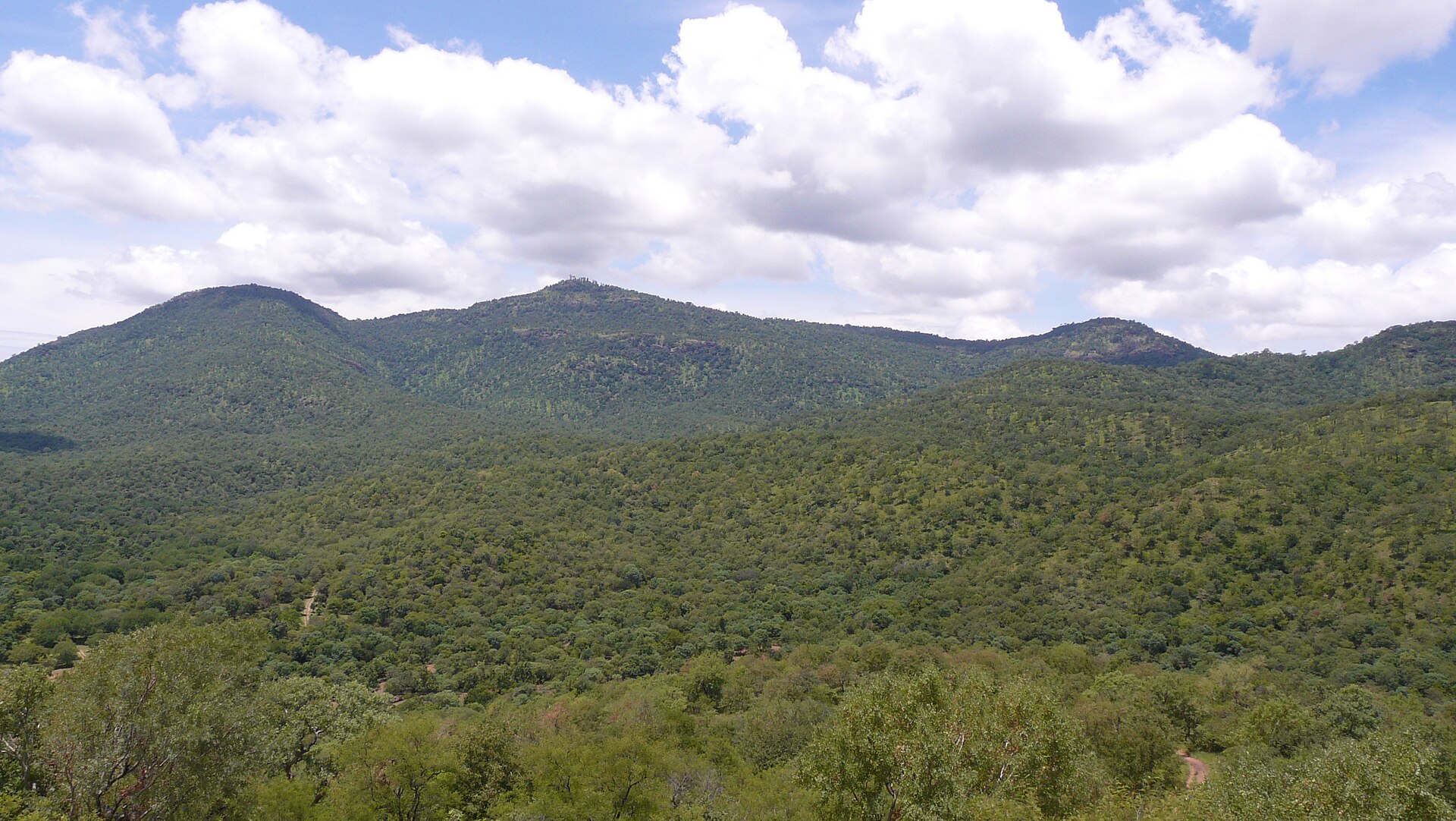
The most practical part of the pitch is not carbon at all. It is water. The reserves provide carbon sequestration, but also water purification, soil conservation and groundwater recharge, which are services millions of downstream people use without ever seeing a tiger. For anyone who has followed India’s tiger reserve management effectiveness evaluations, the logic is familiar: how well a reserve is managed shows up in forests, rivers and local incomes.
India’s governance model, according to the minister, rests on Project Tiger, the Wildlife (Protection) Act of 1972, and the National Tiger Conservation Authority, backed by sustained central and state funding, frontline staff, technology-based monitoring and community stewardship. He positioned IBCA, which now has a new headquarters in Delhi, as the channel for sharing these models and building capacity for all seven big cat species.
What the claim does and does not show
It is worth being careful here, and Prakati readers deserve both sides. Independent commentary on the event notes that it produced no project-level carbon accounting, no carbon-credit instrument and no negotiated COP31 decision. Seen that way, the argument supports investigating the habitat-based climate benefits of big cat landscapes, rather than proving a measured amount of extra sequestration. Protecting a forest for its carbon is established science; attributing a share of that benefit to the cat is a framing rather than a calculation.
That does not make the framing empty. Conservation money is scarce, and linking wildlife to climate finance could open new funding for range countries that are short of both. The minister himself said wildlife conservation should be an integral part of nature-based climate action, complementing emissions cuts rather than replacing them.
What to watch
Whether range countries bring concrete habitat-carbon assessments to the next round of talks, and whether finance follows. In the meantime, India’s own big cat story continues on the ground, from a tigress released in Buxa to new cheetah cubs at Kuno.