
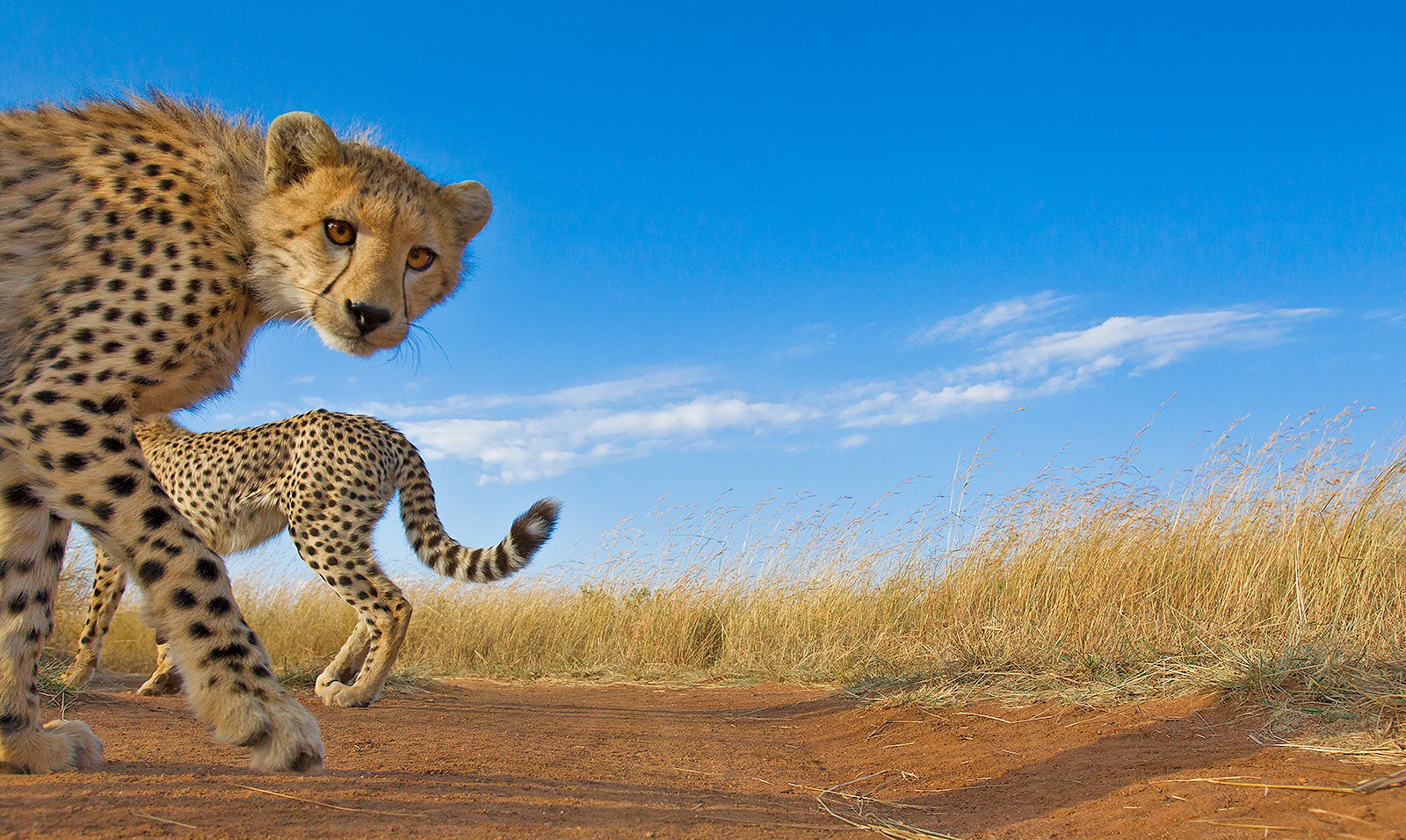
Four years after the first cheetahs were flown in from Namibia, India’s reintroduction programme has reached a number that would have seemed ambitious at the start. On 5 October, KJP21, a 32-month-old Indian-born female cheetah, gave birth to five healthy Kuno cheetah cubs at Kuno National Park in Madhya Pradesh. India’s cheetah population now stands at 60, of which 41 were born in India, according to the Press Information Bureau (PIB).
A third generation story
KJP21 is the third Indian-born female to give birth, after Mukhi and KGP12, according to Union Environment Minister Bhupender Yadav, who announced the news on social media during Wildlife Week 2026. The PIB release calls it an important milestone in the emergence of the next generation of India’s cheetah population. That framing is fair: the most telling measure of whether a reintroduction is working is not how many animals were imported, but whether the animals born locally survive to adulthood and breed.
Why the Botswanan father matters for the Kuno cheetah cubs
The cubs’ father is a Botswanan male, so they mark the start of a Botswanan lineage in India. India’s founding cheetahs came from Namibia and South Africa, and a small founder population is vulnerable to inbreeding. Adding new genetic lines is one of the more important long-term safeguards for a reintroduced population, which is why the minister highlighted this detail. The release does not give a timeline for further imports, so that remains for later announcements.
What the numbers say
- Total cheetahs in India: 60
- Indian-born: 41, meaning about two in three cheetahs now alive in the country were born here
- Cubs born on 5 October: 5, to a mother that is herself only 32 months old
These are encouraging numbers, but newborn cubs face a hard first year. Predation, disease and the challenge of learning to hunt all take a toll in the wild, and Kuno’s cheetahs have faced real losses in the past, including deaths among adults and cubs. The programme’s longer-term question is whether the landscape, its prey base and the surrounding communities can support a self-sustaining population across Kuno and neighbouring reserves.
Why it matters
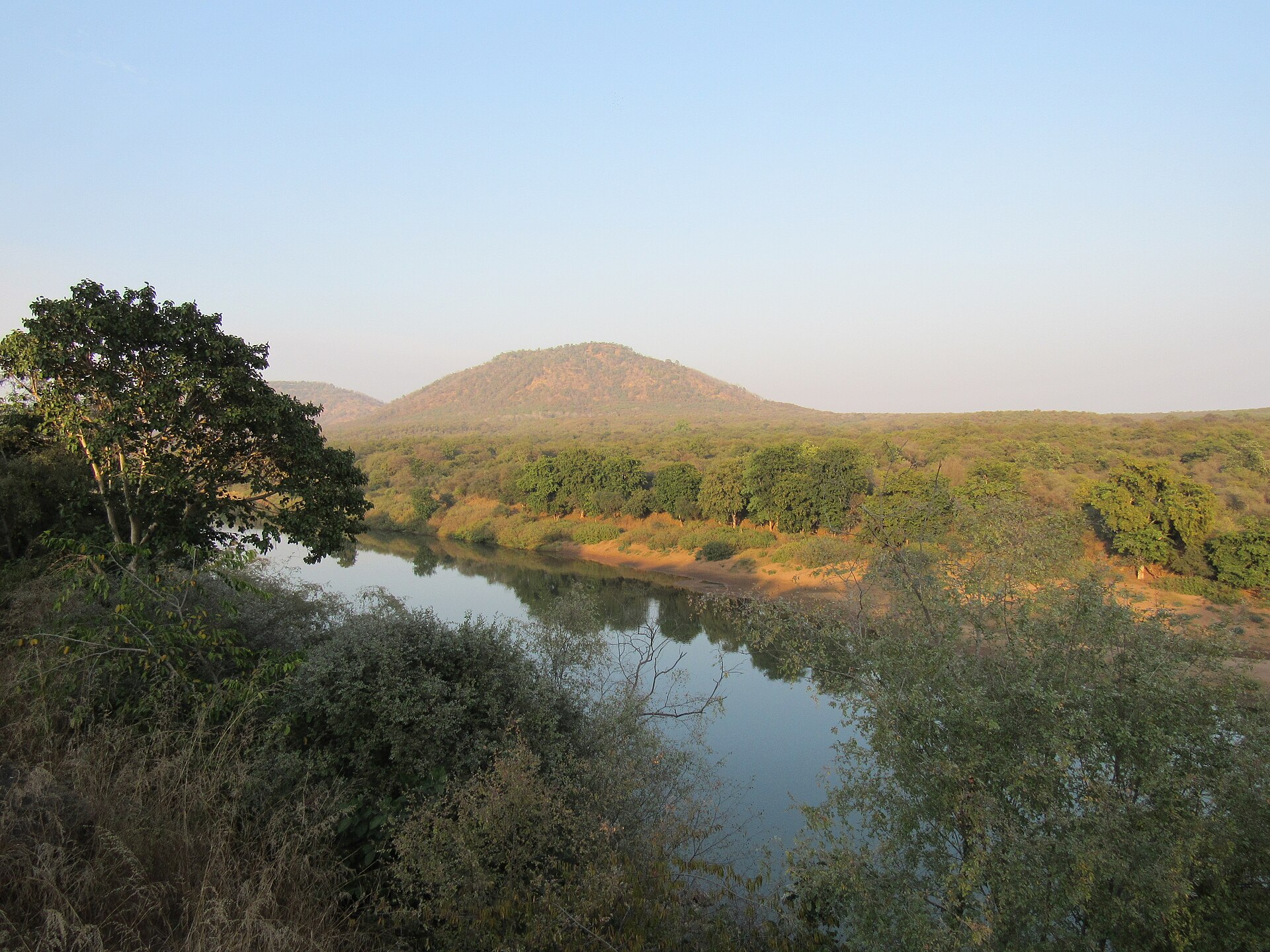
Project Cheetah is about more than one species. Cheetahs are a grassland and open-forest predator, and restoring them draws attention and funds to ecosystems like savanna and scrubland that are often overlooked in India’s conservation priorities in favour of forests. Today, with the Great Indian Bustard also being rewilded in the Thar, grassland conservation is quietly becoming a theme of Indian wildlife policy.
For now, five cubs are a reason to celebrate. The real verdict will come when they, and the generations after them, grow up and breed in the wild. Read how another native species is being rebuilt in our report on the first captive-bred Great Indian Bustard release, follow the tiger reintroduction in Buxa, and see how Sariska is teaching India to bring tigers back. You can also explore more environment sustainability stories on Prakati.
Source: Press Information Bureau, Government of India (Ministry of Environment, Forest and Climate Change, 5 October 2026). Images: representative sub-adult cheetah in Masai Mara, Kenya (not a Kuno animal) by Ashish J Parmar, and Kuno river by M G Chandrasekr, both CC BY-SA 4.0, via Wikimedia Commons.