
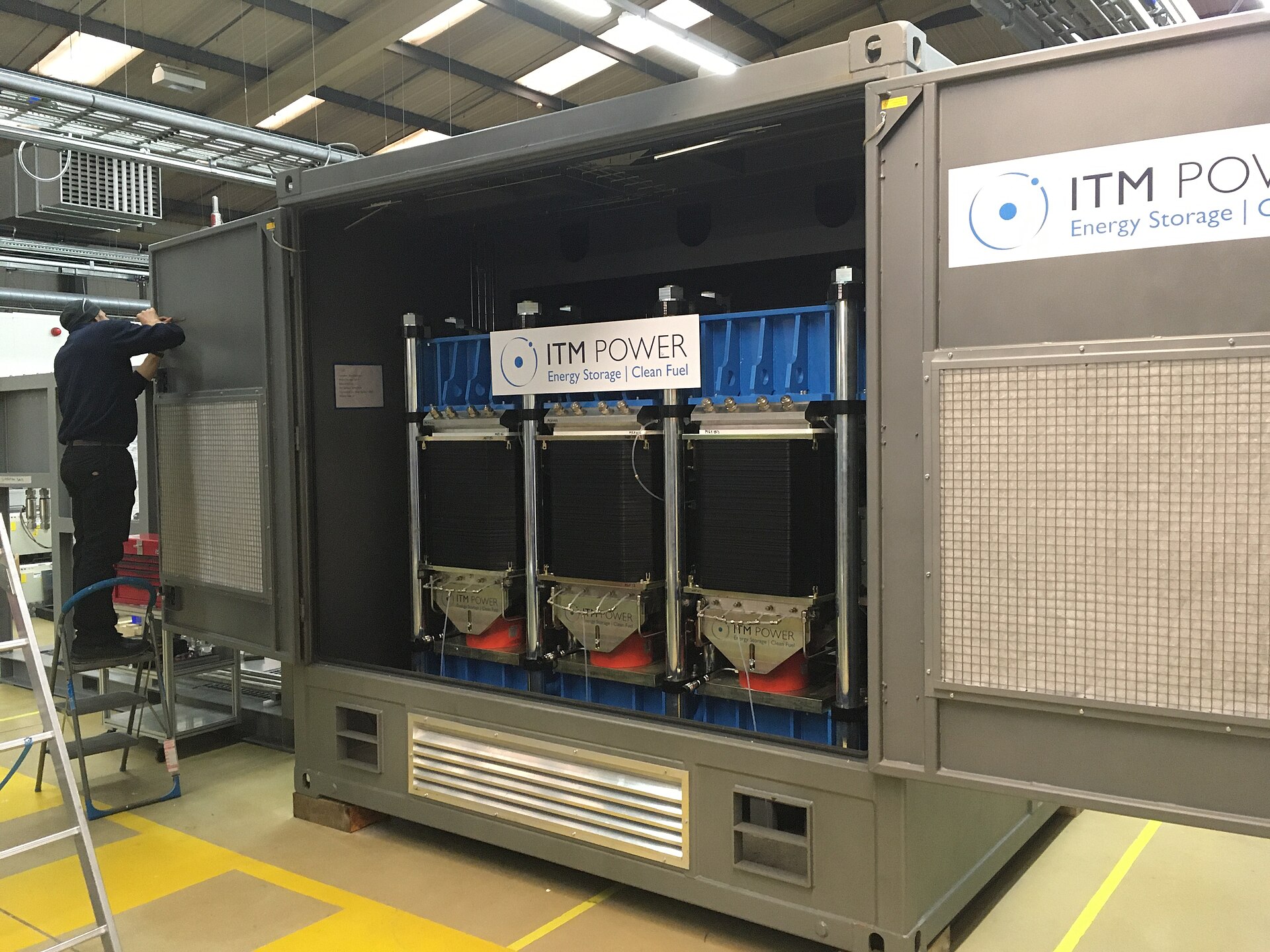
Hydrogen is the odd one out in the clean energy story. It burns without producing carbon dioxide, yet most of the hydrogen the world uses today is made from natural gas or coal. What makes it “green” is how it is made: by splitting water with renewable electricity. India has bet big on that idea, and with a fresh government backgrounder and a hydrogen train now running, it is a good moment to understand the National Green Hydrogen Mission (NGHM).
What makes hydrogen green?
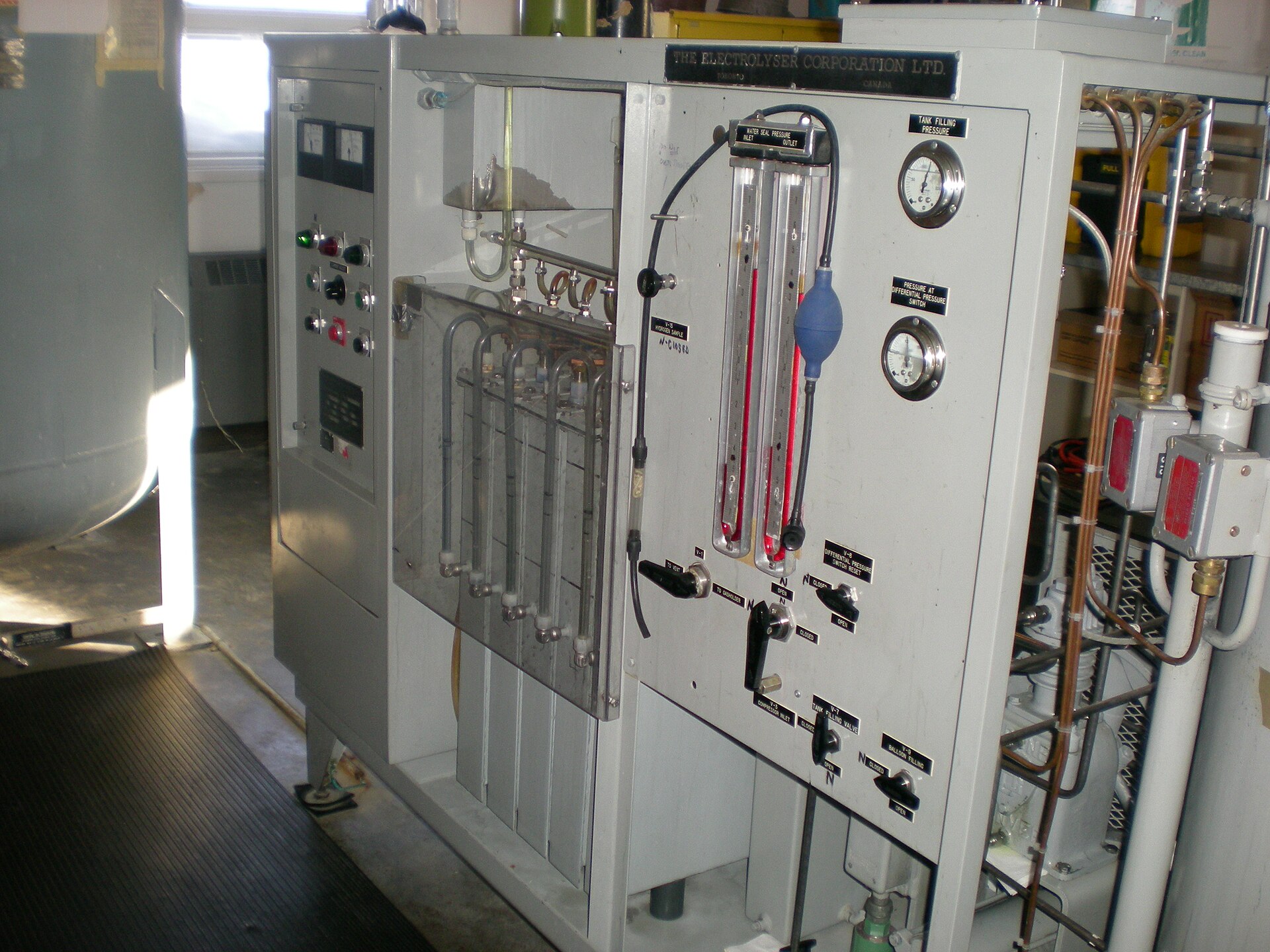
Electrolysis passes electric current through water in a device called an electrolyser, separating it into hydrogen at one electrode and oxygen at the other. If the electricity comes from solar or wind, the result is green hydrogen. India’s Green Hydrogen Standard, notified in August 2023, sets the bar: well-to-gate emissions of no more than 2 kg of CO2-equivalent per kg of hydrogen, averaged over 12 months. MNRE notes about nine litres of demineralised water are needed per kilogram of hydrogen.
Why bother?
Green hydrogen matters most where electricity cannot easily do the job:
- Fertiliser: replace fossil-based hydrogen in ammonia and urea.
- Refineries: cleaner hydrogen for removing sulphur and upgrading fuels.
- Steel: use hydrogen instead of coal to strip oxygen from iron ore in direct-reduction routes.
- Transport: buses, trucks and trains that need long range and fast refuelling. India’s first indigenous hydrogen train, a 10-car set carrying about 2,600 passengers, was inaugurated on the Jind-Sonipat section on 17 July 2026.
- Shipping: via green ammonia and green methanol.
- City gas: limited blending with natural gas, subject to safety standards.
For India there is also an energy-security argument: less reliance on imported fossil fuels and fewer price shocks.
The National Green Hydrogen Mission in numbers
Approved in January 2023 with an outlay of Rs 19,744 crore, NGHM targets at least 5 million tonnes a year of green hydrogen capacity by 2030, potentially 10 million with exports. The government expects it to mobilise over Rs 8 lakh crore of investment, create more than 6 lakh jobs, cut fossil fuel imports by around Rs 1 lakh crore and avert nearly 50 million tonnes of CO2 a year by 2030. These are official projections, not guarantees.
SIGHT, the main incentive programme (Rs 17,490 crore to 2029-30) supports both electrolyser manufacturing and hydrogen production. Incentives have been awarded to 15 companies for 3,000 MW a year of electrolyser manufacturing and for 8,62,000 tonnes a year of green hydrogen production capacity. Actual commissioned capacity is much smaller: about 8,000 tonnes a year by February 2026. Indian companies have also signed offtake commitments above 5.5 lakh tonnes a year, the largest in the world according to the government (more than 70 per cent earmarked for export, per a related backgrounder); we covered that in India’s green hydrogen offtake record.
Pilots, hubs and policy
- Steel: five pilot projects sanctioned, including Rs 84 crore for testing 100 per cent hydrogen injection.
- Mobility: twelve projects for 70 hydrogen vehicles (27 buses and 43 trucks) and 16 refuelling stations across 21 routes.
- Shipping: a Rs 38.12 crore green methanol bunkering pilot at V.O. Chidambaranar Port. (See also the e-methanol plant at Kandla.)
- Hubs: Deendayal (Kandla), V.O. Chidambaranar and Paradip ports are recognised hubs, and four Hydrogen Valley Innovation Clusters have been awarded (Jodhpur, Odisha, Pune, Kerala). A 1 MW green hydrogen plant has been running at Kandla since July 2025.
- Cost relief: green hydrogen and ammonia plants commissioned by end-2030 get 25 years of exemption from inter-state transmission charges, open access within 15 days, banking of surplus renewable power for up to 30 days, and exemption from prior environmental clearance for standalone electrolysis plants.
- Certification: a Green Hydrogen Certification Scheme (April 2025) with BEE-accredited agencies and a portal live since June 2026.
- States: six have notified dedicated policies (Gujarat, Andhra Pradesh, Maharashtra, Uttar Pradesh, Rajasthan, West Bengal).
- People: 8,149 candidates trained so far, with a goal of over 6 lakh jobs by 2030.
A reality check
Green hydrogen is still expensive. Montel puts it at roughly 3 to 7 euros a kilogram depending on power prices, and the IEA reports a wave of project cancellations globally (close to 60 major clean hydrogen projects cancelled in 2025, by S&P Global’s count), although installed electrolysis doubled in 2025 to over 4 GW, with China behind about three-quarters of it. Offtake agreements are not the same as plants running, and India’s 8,000 tonnes a year of commissioned capacity shows how early the journey is. Hydrogen is also hard to store and handle safely, which is why India has notified standards for green hydrogen, ammonia and methanol.
What to watch
Whether commissioned capacity catches up with the contracts, whether electrolyser manufacturing lowers costs, and whether the first steel and fertiliser projects reach operation. These will show if hydrogen becomes a backbone of sustainable energy or stays a promising niche. It also sits alongside the broader push described in our report on another 500 GW of non-fossil capacity.