
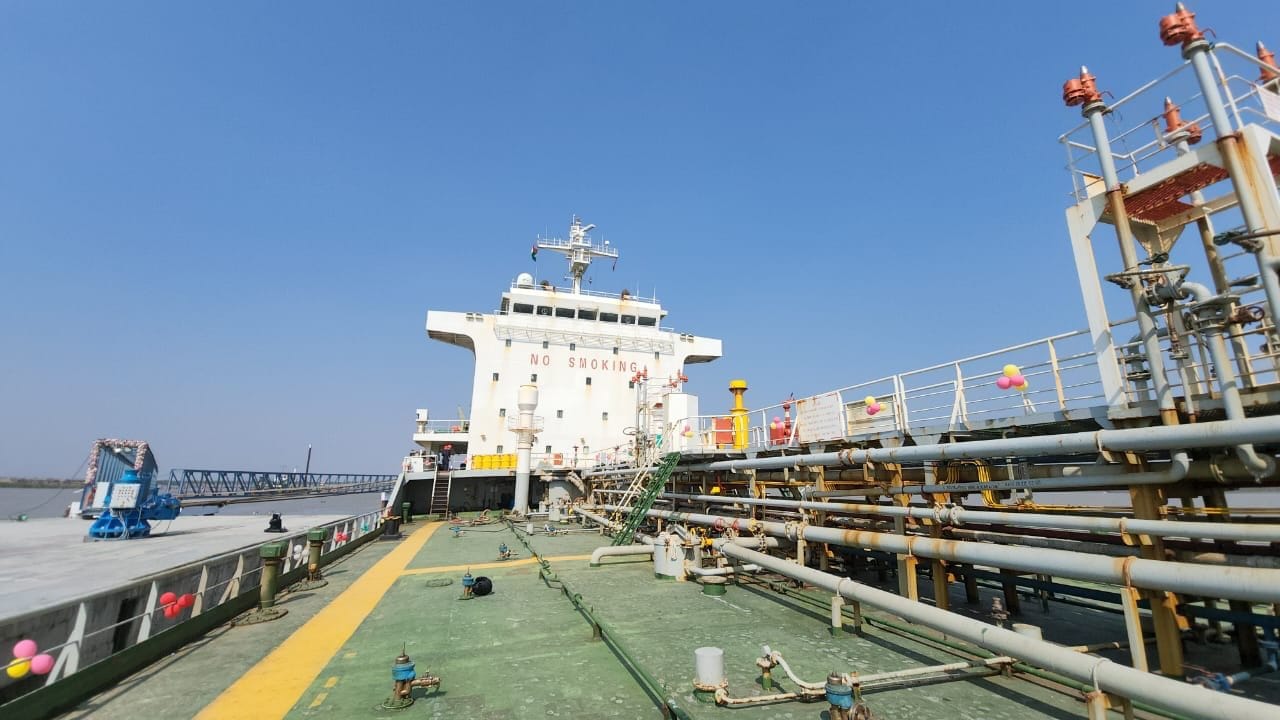
Ships move more than 80 per cent of world trade by volume, and most of them burn heavy fuel oil. One of the leading cleaner alternatives is e-methanol, made from renewable power, water and captured carbon dioxide. On 26 September 2026, leaders laid the foundation stone for the Kandla e-methanol plant in Gujarat, which officials call India’s first port-based facility of its kind.
What the Kandla e-methanol plant will produce
The plant will produce 150 tonnes of e-methanol a day, using renewable electricity, water and biogenic carbon dioxide, meaning CO2 from biological sources such as plant waste. The fuel is meant for ships on the Asia-Europe trade corridor, one of the busiest sea routes in the world. It is a joint initiative of Deendayal Port Authority (DPA) and Assam Petro-Chemicals Ltd (APCL) of Namrup, with capital shared 76:24 between the two.
The Kandla e-methanol plant will cost ₹2,300 crore in total, and builders will add it in phases as scalable modules. Phase I adds 50 tonnes a day for ₹1,200 crore and targets January 2027. Phase II adds another 100 tonnes a day for ₹1,100 crore and targets March 2027.
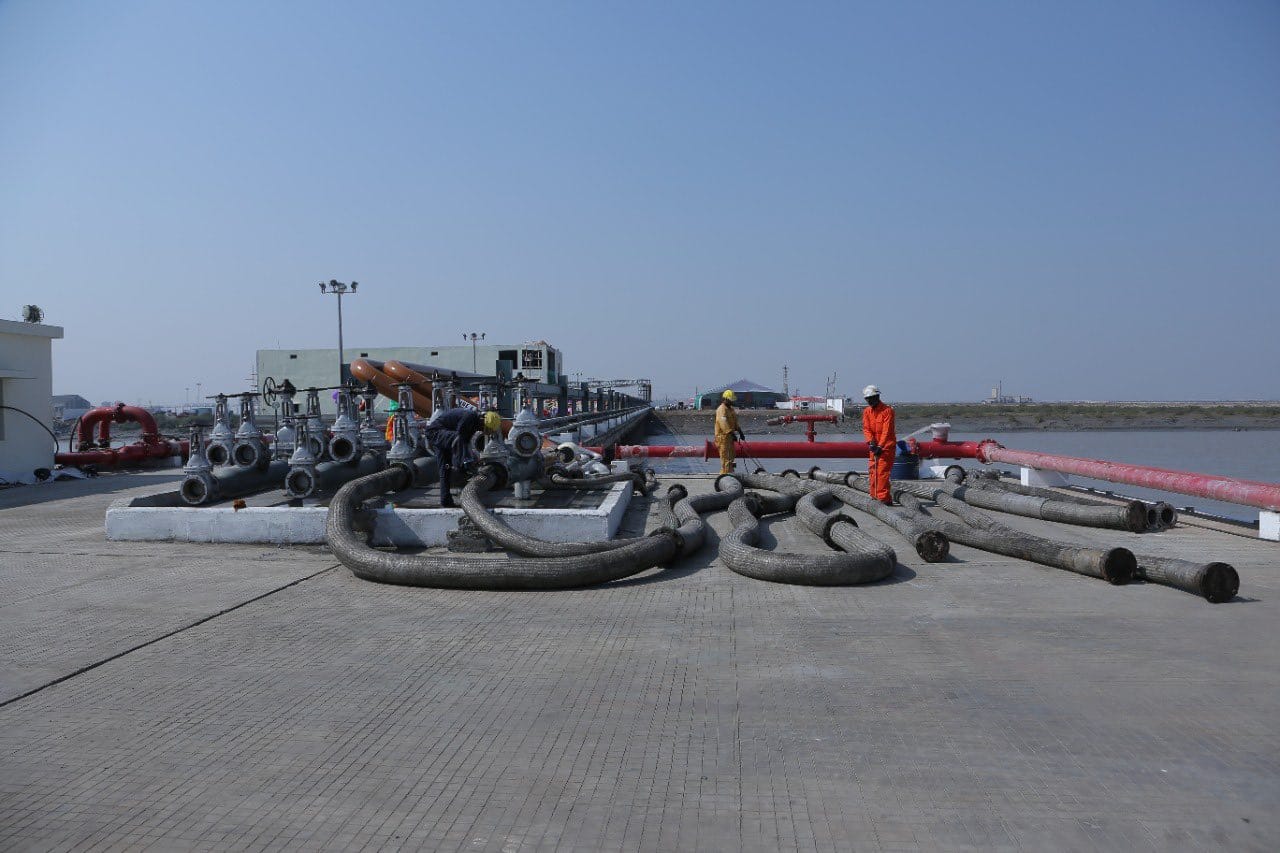
The port is contributing more than land. DPA’s share includes ₹567.32 crore in equity, 75 acres of land, desalinated water and renewable energy in the form of green hydrogen. Officials expect the project to create more than 3,500 direct and indirect jobs and to draw in storage, transport and supply businesses around Kandla.
Why e-methanol matters for green shipping
Cutting emissions from long-haul shipping is difficult. Batteries are too heavy for ocean crossings, and hydrogen is hard to store on board. Methanol is easier to handle, and several major shipping lines have already ordered methanol-capable vessels. What matters is how the fuel is made. Methanol made from fossil gas offers limited climate benefit, while e-methanol made from renewable power and biogenic carbon can cut lifecycle emissions sharply.
The timing fits a wider push. The International Maritime Organization has set a goal of net-zero emissions from international shipping by or around 2050, which is driving demand for cleaner bunker fuels. Our earlier report on India’s green shipping corridor push explains how Indian ports are positioning themselves for that shift.
The Kandla e-methanol plant’s price claim
The government says the plant can produce green methanol at about US$750 a tonne, against a global rate of around US$1,300. That would be a strong advantage, but the announcement does not spell out the assumptions. The real cost will depend on renewable energy tariffs, electrolyser costs, the price of biogenic CO2 and financing. Treat it as a target until the plant is running and selling fuel.
The timeline deserves the same caution. Commissioning the first phase within about four months of the foundation ceremony would be very quick for first-of-a-kind capacity, so slippage would not be surprising.
How it fits India’s bigger goals
The project supports India’s net zero target for 2070 and its ambition to become a green-fuel exporter. It also sits alongside a broader maritime push, including plans to add 100 new ships to the merchant fleet over the next five years and a ₹1,520 crore shipbuilding project at Vadinar. If the Kandla e-methanol plant finds buyers, it could become a template for other ports and a meaningful step in shipping decarbonisation. Read more India green news on Prakati.
Source: Press Information Bureau, Government of India (Ministry of Ports, Shipping and Waterways, 26 September 2026). Additional context from media reports.