
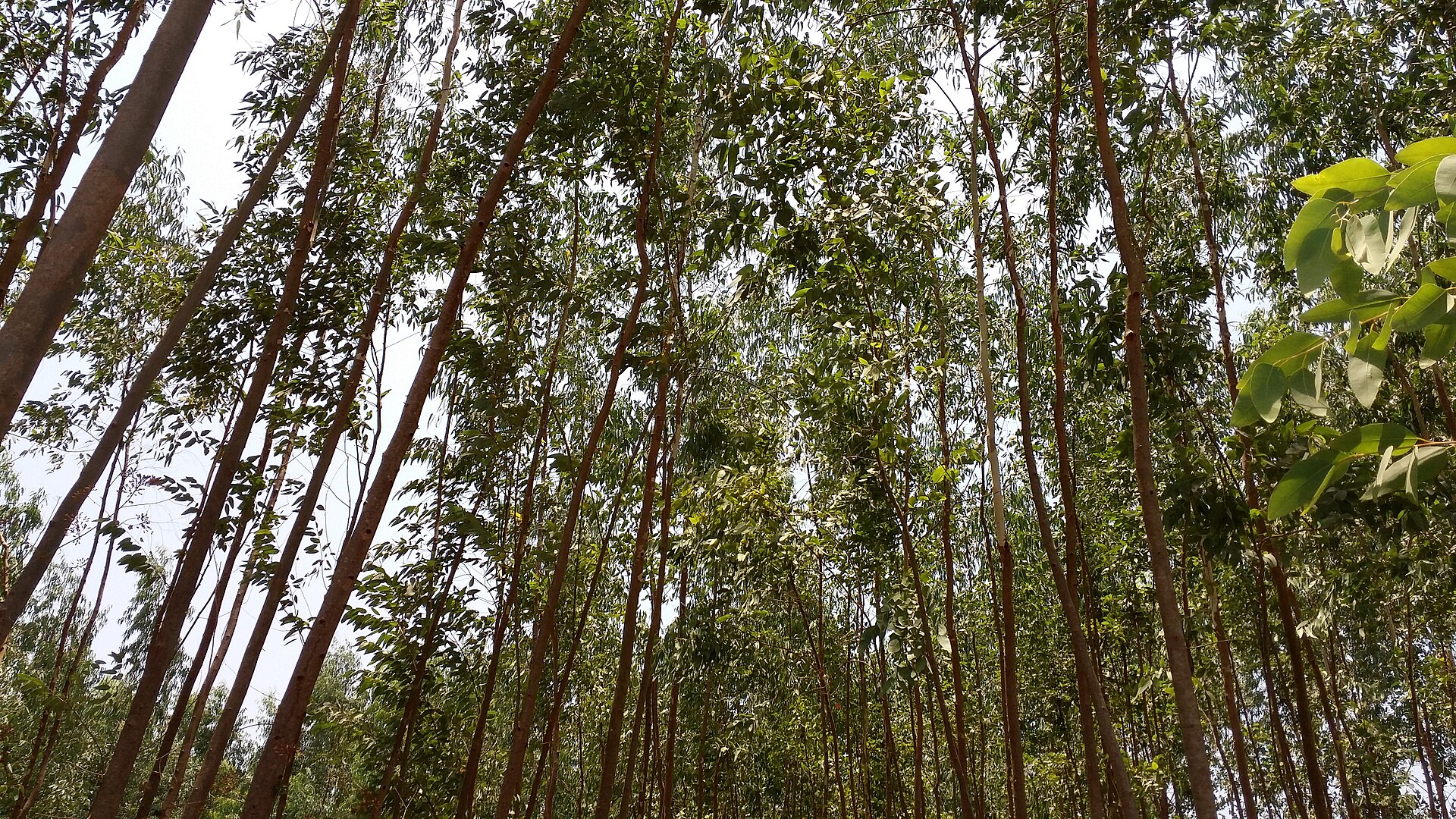
GDP records what an economy produces, but not the forest cleared or the aquifer drawn down along the way. Environmental economic accounts India is building are meant to close that gap, and the Ministry of Statistics and Programme Implementation (MoSPI) set out its plan for 2026 to 2030 in a release that PIB reported on 7 October 2026.
Environmental economic accounts India: what MoSPI released
MoSPI published a discussion paper titled “Strategy for Environmental Economic Accounts in India 2026-2030”. It extends the earlier 2022-2026 strategy and follows the System of Environmental-Economic Accounting (SEEA), a framework endorsed by the United Nations Statistical Commission that MoSPI has worked with since 2018.
Over the earlier period, MoSPI says it produced studies and publications covering forests, biodiversity, wetlands, ocean accounts, soil, water quality, croplands, energy, residuals, urban ecosystems and pollination services. The new document is the forward map: it sets action points and milestones, flags data gaps, identifies likely data sources and discusses policy implications.
What the 2026-30 roadmap will cover
The strategy aims to add new subjects, or widen the scope of existing ones, including forests, minerals, soil resources, land, water, carbon stock, environment-related activities, biodiversity and environment statistics. These areas were chosen largely from the recommendations in the report “Green National Accounts in India: A Framework” and the SEEA Central Framework.
MoSPI also links the effort to the System of National Accounts 2025, which gives natural-resource accounting more recognition within the main national accounts. States and Union Territories that want to start or strengthen their own environmental accounts are invited to use the paper as a guide.
Why it matters for sustainability
This is quiet infrastructure for better decisions. Debates on carbon, water and biodiversity too often rely on scattered or outdated numbers. Consistent, comparable accounts let policymakers and citizens see whether growth is drawing down natural assets or rebuilding them. If you follow India’s net-zero portal or the Green Credit Programme, you will recognise the same logic: what is measured can be managed.
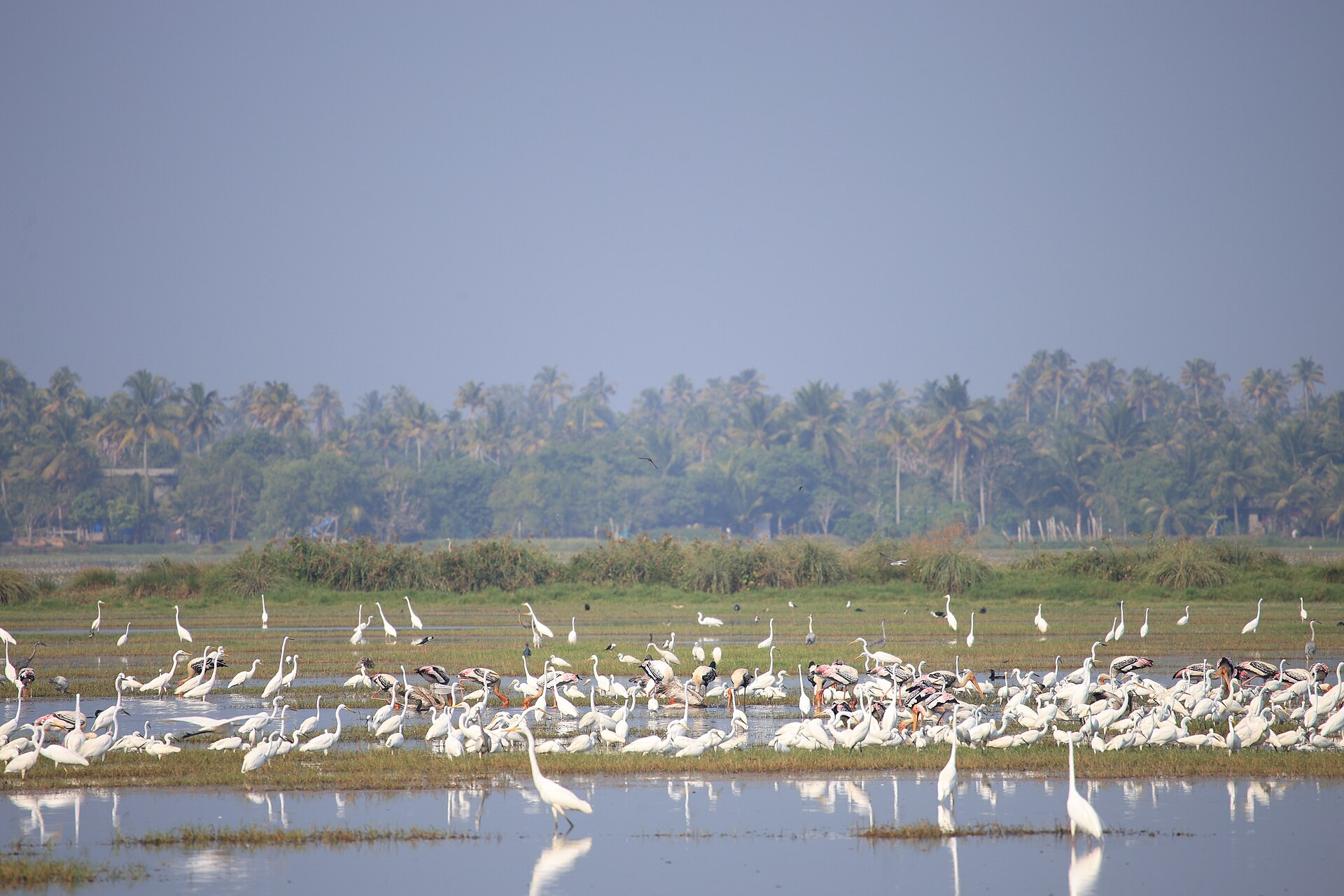
Wetlands are a good example. India keeps adding to its Ramsar site list, yet the economic value of what those wetlands do for water and flood control rarely appears in official statistics. Accounts of this kind are how it could.
What to watch
The paper describes itself as a guidance tool that is self-evolving in nature, not a binding mandate, so delivery will depend on data sharing between ministries and states. Watch for whether carbon-stock and biodiversity accounts reach regular publication, and whether states adopt the framework. Explore more in our India sustainability news.