
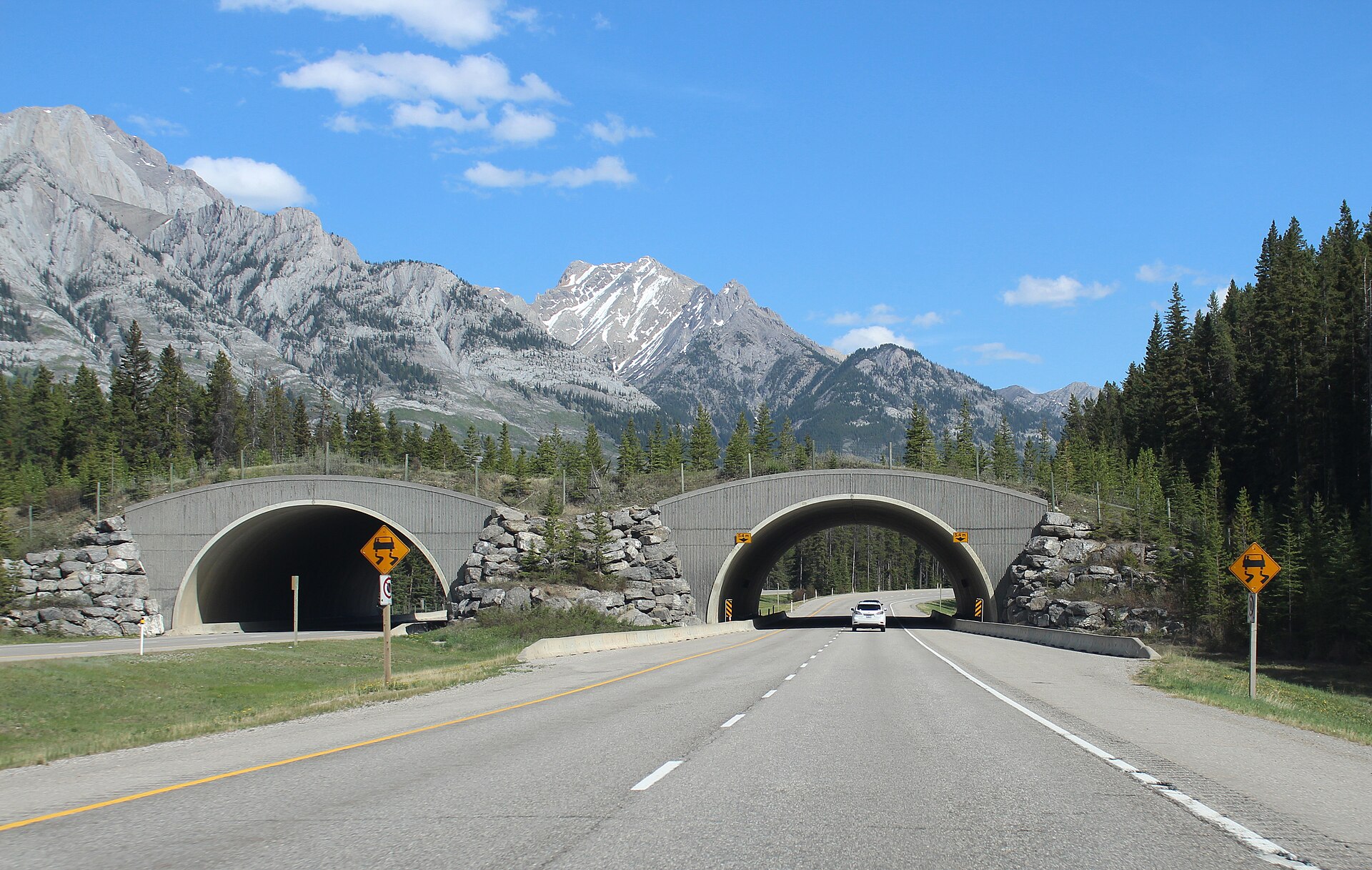
India is building highways at a pace few countries can match, and the forests and grasslands they cross shelter some of the country’s most threatened wildlife. NHAI wildlife mitigation was the subject of a document the National Highways Authority of India released during National Wildlife Week (2 to 8 October 2026), as PIB reported on 8 October.
NHAI wildlife mitigation: what the document says
The document, “Wildlife Mitigation Measures & Structures”, was released by Road Transport and Highways Minister Nitin Gadkari at a Chintan Shivir in Ekta Nagar, Gujarat, and is hosted on NHAI’s website. It is a reference framework that documents the range of measures and structures used across National Highway projects, not a new rulebook.
The headline figures in the accompanying release:
- Around Rs 19,700 crore invested over the last five years in wildlife mitigation infrastructure and related environmental protection on National Highway projects.
- More than 2,150 wildlife mitigation structures constructed and/or proposed nationwide.
- About Rs 4,600 crore in animal underpasses, Rs 650 crore in animal overpasses, Rs 8,300 crore in viaducts, Rs 2,800 crore in tunnels, Rs 2,500 crore in major bridges and Rs 500 crore in minor bridges.
- Guide fencing and noise barriers along more than 300 km of highway alignments to steer animals towards crossings.
Structures plus softer measures
The framework splits mitigation in two. Structural measures include underpasses, overpasses, culverts adapted for animal movement, bridge-cum-underpasses and canopy crossings. Non-structural ones include signage, fencing, speed regulation, noise barriers, reptile crossings and rainwater harvesting. NHAI says it also uses camera trapping to see how wildlife actually moves, and identifies collision hotspots so that speed-regulation boards go where they matter.
Why it matters for wildlife and highways
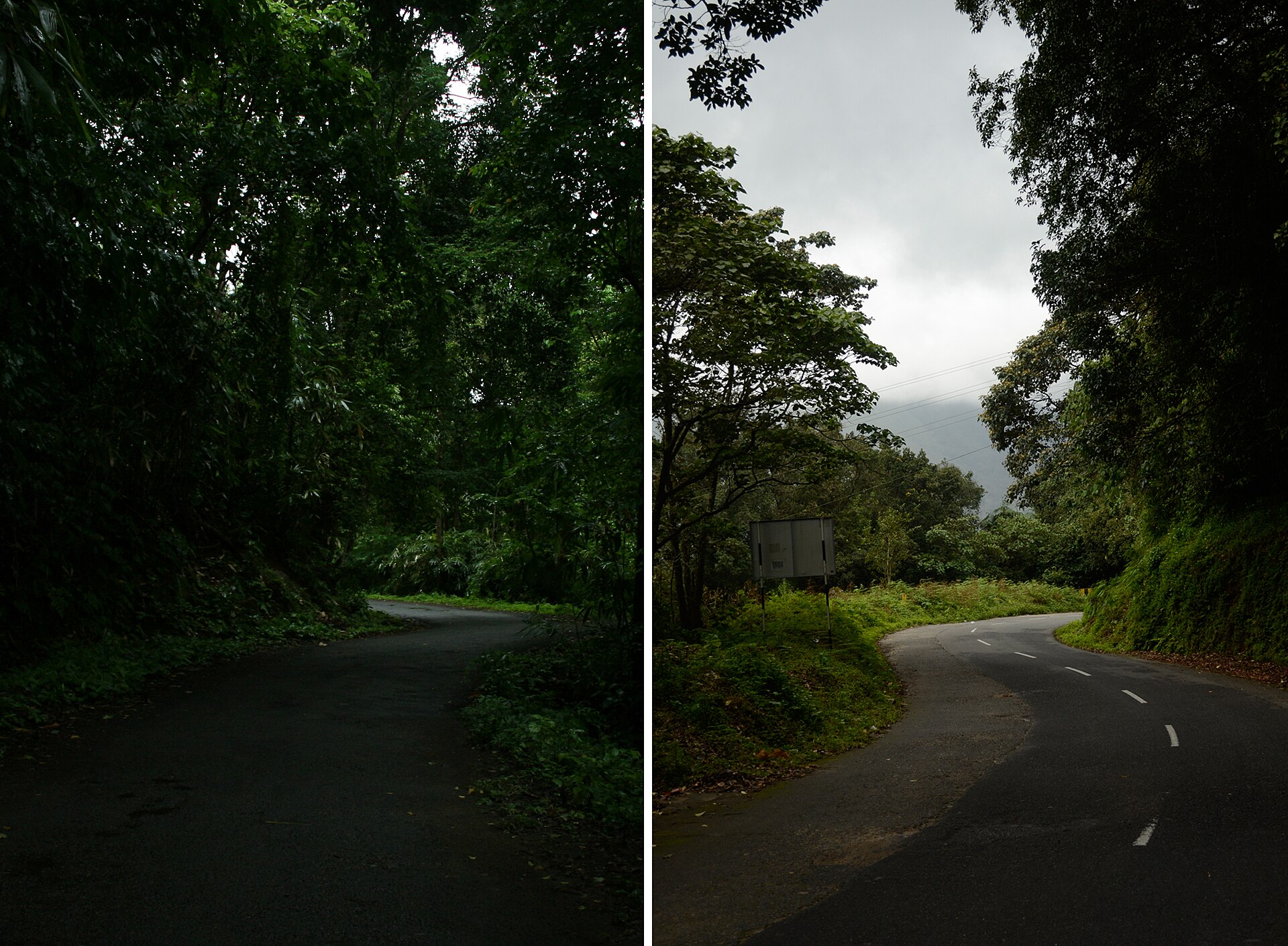
Roads fragment habitat. A tiger or elephant corridor cut by a four-lane highway becomes a collision risk for the animal and for the people driving. The elevated stretch of NH44 through Pench Tiger Reserve, with its series of underpasses, is among the best-known Indian examples, and cameras there have recorded tigers, leopards and chital using the crossings.
What the new document adds is consolidation: a common menu of designs that planners, conservation agencies and contractors can use from the start of a project rather than as an afterthought. NHAI says it wants mitigation built into every stage of highway development and invites collaboration with the conservation community. It sits alongside the Green Highways Policy, and follows the wildlife-first recovery efforts we covered in the Buxa tigress reintroduction and the Great Indian Bustard release.
A grounded view
The spending figure is large, but it bundles viaducts, tunnels and bridges, which also serve engineering purposes, with purpose-built animal crossings, so it does not measure conservation outcomes alone. The count of 2,150 structures also mixes those built with those only proposed. The real test will be published monitoring data: how many animals use the crossings, and whether roadkill falls. Explore more India sustainability news on Prakati.