
The India Net Zero Portal went live on 16 September 2026, giving companies and other organisations a public place to declare their climate targets. Union Minister of State for Environment Kirti Vardhan Singh launched it in Mumbai on World Ozone Day, together with a dashboard that tracks India’s national climate missions. Together, the two tools aim to make net zero action easier to see and easier to check.
What the India Net Zero Portal does
The India Net Zero Portal, at netzeroindia.moef.gov.in, is a centralised platform for voluntary registration and disclosure of net zero commitments. Participants can disclose their greenhouse gas emissions, declare targets and file annual progress updates. Entities are encouraged to report Scope 1 and Scope 2 emissions, while Scope 3 reporting stays voluntary.
Entities can also set out their pathway to net zero. That may include clean energy, energy efficiency, technology changes and carbon removals, wherever they apply. Organisations that declare a target successfully receive an acknowledgement from the environment ministry. In addition, public access to declarations will create one repository of voluntary net zero action in the country.
The NAPCC Dashboard: one view of the national missions
The second tool is the National Action Plan on Climate Change (NAPCC) Dashboard, at napccindia.moef.gov.in. It brings mission information and indicators from the National Missions under the NAPCC onto a common platform. As a result, ministries and departments can monitor progress, assess sectoral gaps and share inputs more easily. The ministry also expects it to link domestic climate action with India’s international climate commitments.
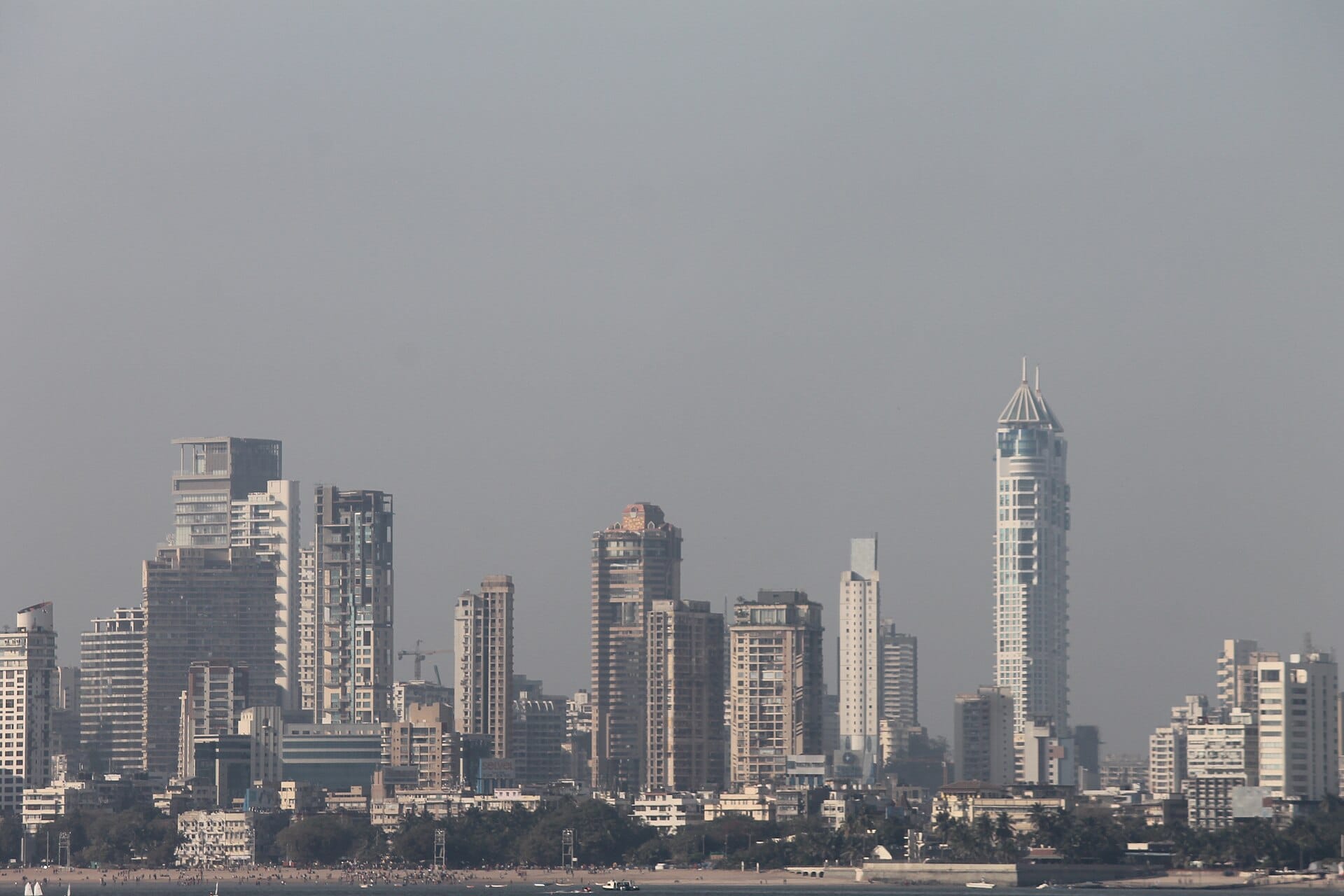
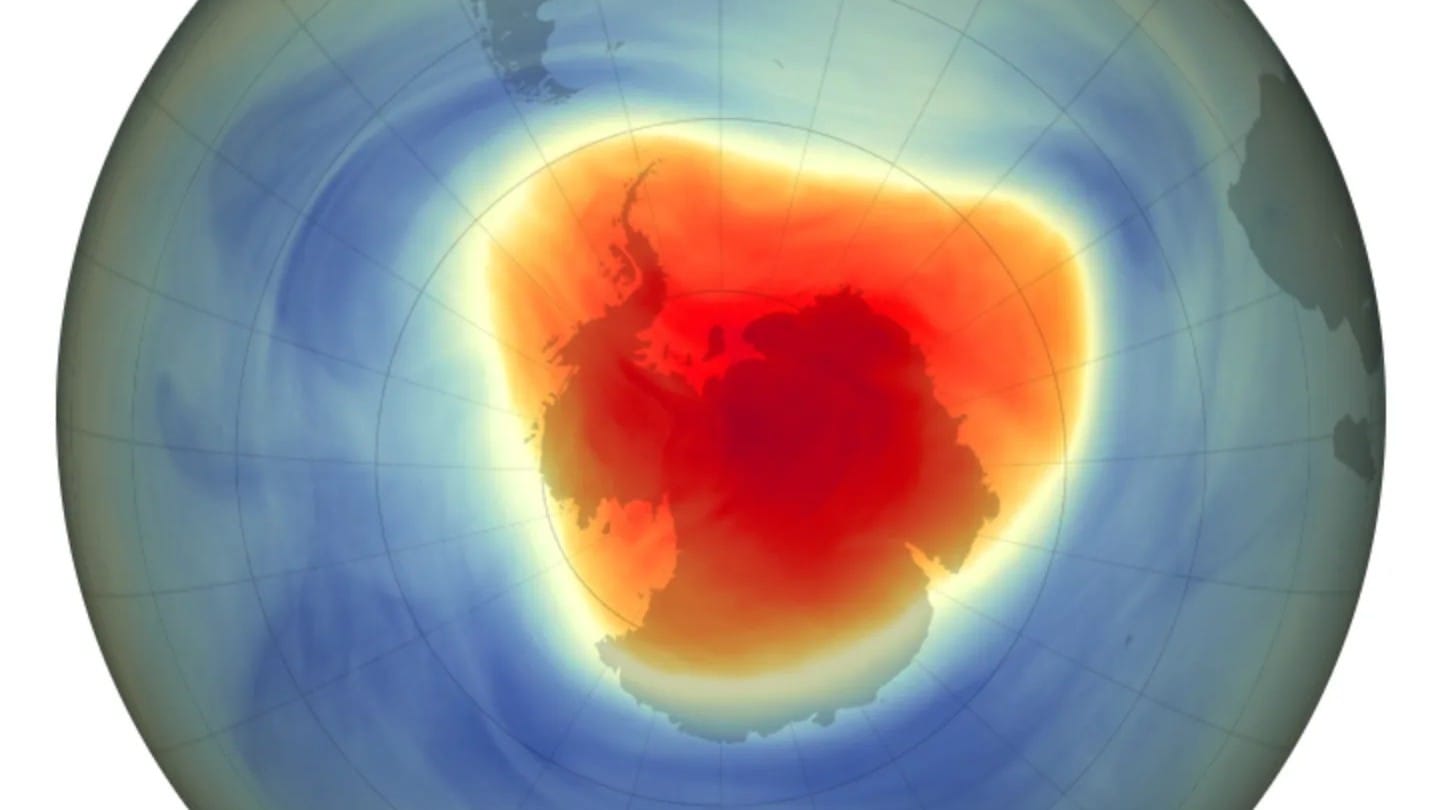
The ministry marked the 32nd World Ozone Day in Mumbai under the theme ‘Global Action for a Cooler Planet’. Mr Singh said India has met its Montreal Protocol commitments without compromising development. He also pointed to Mission LiFE as a way to turn environmental protection into simple, everyday actions.
World Ozone Day: three tips for cooler living
The minister urged citizens to adopt three habits for sustainable cooling. First, get air conditioners serviced by certified technicians who handle refrigerants safely. Second, set the temperature around 24 degrees Celsius to save electricity and cut emissions. Third, choose high star-rated appliances that use climate-friendly refrigerants.
Skills are part of the plan too. Twelve refrigeration and air-conditioning manufacturers have adopted 248 Industrial Training Institutes through a four-party agreement, so that classroom learning matches industry standards. Meanwhile, GIZ India said a national certification system for AC technicians aims to train 25,000 technicians by 2030, under the HCFC Phase-out Management Plan Stage III.
India’s ozone record backs the message. CFCs, carbon tetrachloride and halons are already phased out for controlled uses, and India has met its 2015, 2020 and 2025 HCFC targets. It ratified the Kigali Amendment in September 2021. Under that schedule, HFC cuts begin in 2032 at 10 per cent, rising to 85 per cent by 2047.
What to watch on the India Net Zero Portal
A voluntary portal is only as useful as its honesty. The release does not say whether disclosures will be independently verified, and it gives no sign-up targets. Therefore, the number of entities that register, and the quality of their data, will decide its value.
Even so, public disclosure creates a paper trail that investors, customers and citizens can check. Companies already working on carbon accounting now have a common place to publish results. Follow more India sustainability news on Prakati for the next steps.
Source: Press Information Bureau, Government of India (Ministry of Environment, Forest and Climate Change, 16 September 2026; see also release 2310817). Additional context from media reports. Images: NASA Earth Observatory (public domain) and Sirpurkar333 (CC BY-SA 4.0), via Wikimedia Commons.