
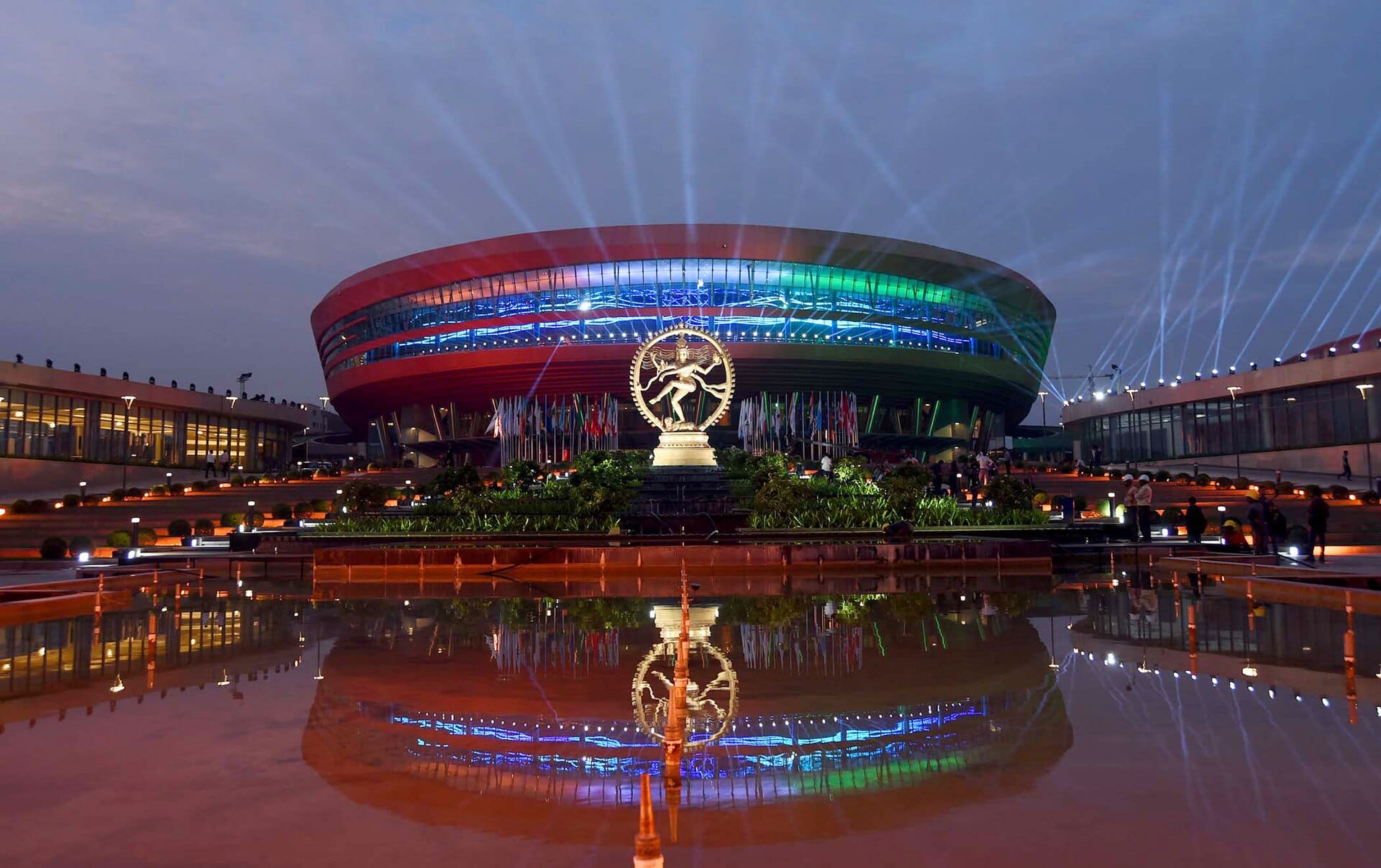
India International Water Week 2026 closed on 25 September at Bharat Mandapam in New Delhi after several days of debate on keeping water supplies safe in a changing climate. The ninth edition, themed ‘Climate Resilient Water Management’, was the first to carry the ‘International’ label. The Netherlands and Germany joined as partner countries, along with 14 partner states.
India International Water Week 2026: the message from the top
Vice-President C. P. Radhakrishnan inaugurated the event on 22 September. He said climate change, urbanisation and rising pressure on resources are straining water security, and he called for integrated, innovation-led management. He also stressed the role of interlinking rivers in balancing water availability across regions and seasons.
Jal Shakti Minister C. R. Patil said many climate impacts reach people through water, so water security and climate resilience must go hand in hand. The inaugural session also honoured two grassroots Water Warriors. Ram Kumari of Chhindwara mobilised women and communities around drinking water and conservation, while Sitaram Madavi of Gadchiroli has spent over two decades building wells and farm ponds that help groundwater and irrigation.
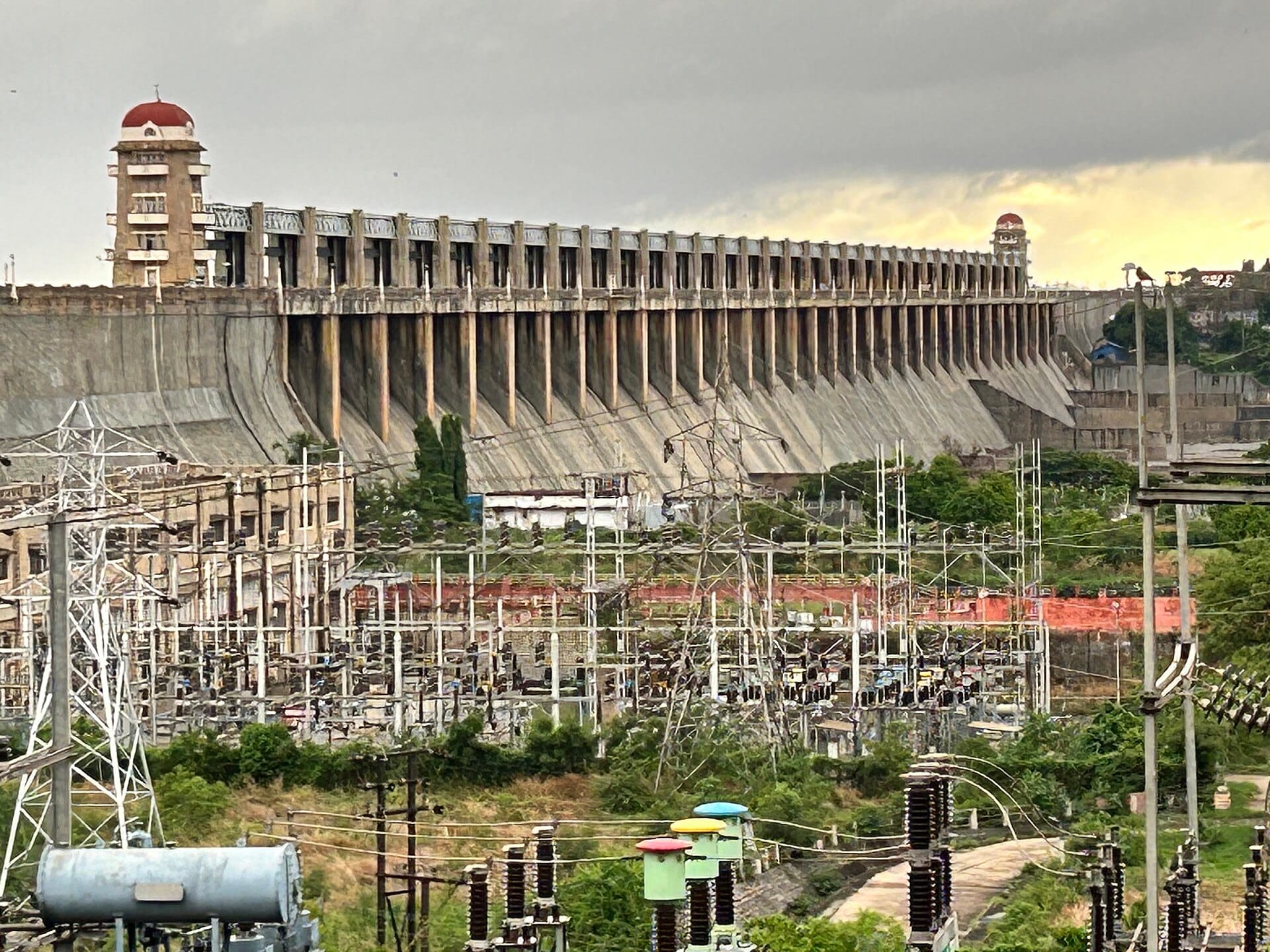
Two publications were launched at the inauguration, the ‘Sustainable Urban River Management Framework’ and ‘AI and ML Driven Integrated Reservoir Sediment Management’. Reservoir storage matters because silt slowly reduces how much water a dam can hold. The closing recommendations later called for sustainable sediment management and preservation of reservoir storage.
Technical sessions: early warning, glacial lakes and water finance
Day three went deep into the technical programme. Sessions covered climate risk assessment, early warning systems, glacial lake monitoring, water-use efficiency and the financing of resilient infrastructure. One forum with the World Bank and IFC examined how to draw private capital into urban water, wastewater and irrigation. Another looked at smart metering and technology for efficient water use.
A dam safety session addressed hydrological modelling under a changing climate and glacial lake outburst floods. On the sidelines, India and the Netherlands signed two tripartite MoUs. The Central Water Commission and Gujarat’s Kalpasar department partnered with Deltares for technical support and with TU Delft for capacity building on the Kalpasar project.
What India International Water Week 2026 recommended
The week drew 7,224 delegates, 227 exhibitors and 119 paper presentations. Recommendations from its seven thematic areas included stronger participatory governance, safe reuse of treated wastewater, community-led groundwater recharge and data-driven decisions. They also called for multi-hazard early warning, river basin approaches to adaptation, scientific aquifer mapping and environmental flows.
The drinking water angle
Mr Patil said the next phase of the Jal Jeevan Mission must deliver adequate, regular, safe and sustainable service. Source sustainability and community participation will be central. Minister of State V. Somanna added that safe management of greywater, wastewater and solid waste is essential for protecting water sources. During the week, the mission reported about 81.5 per cent of rural households with tap connections.
Conferences do not refill aquifers. Still, the sessions on early warning, financing and sediment address real operational gaps. Readers can explore more on water conservation, or read about waste management and how it protects water sources. For more updates, visit our India environment news section.
Source: Press Information Bureau, Government of India (Ministry of Jal Shakti, 22 to 25 September 2026; see also releases 2314659 and 2315096). Additional context from media reports. Images: Ministry of Culture (GODL-India) and Harvinder Chandigarh (CC BY 4.0), via Wikimedia Commons.