
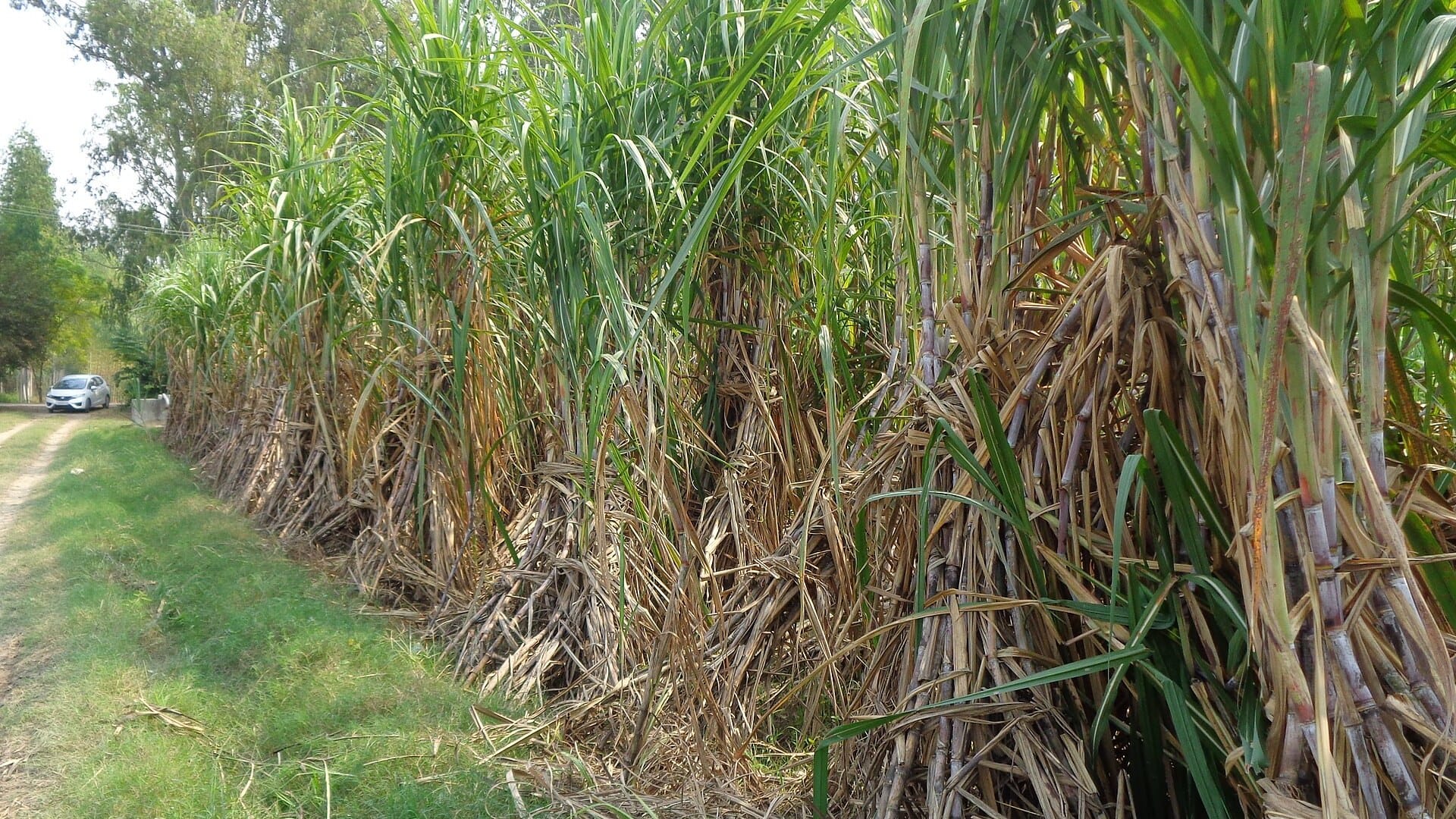
India has formally launched commercial use of PLA biodegradable plastic, a bio-based material made from renewable sugar instead of petroleum. Union Minister Jitendra Singh unveiled the initiative on 24 September at the Department of Biotechnology in New Delhi. It is led by Balrampur Chini Mills Limited (BCML) under the government’s BioE3 framework, which stands for Biotechnology for Economy, Environment and Employment.
What the PLA biodegradable plastic launch covers
A ₹75 crore grant from the Biotechnology Industry Research Assistance Council (BIRAC) supports a 100 tonne-per-annum pilot facility for polylactic acid (PLA) and co-polymers. The facility will be set up at BCML’s manufacturing complex at Kumbhi in Uttar Pradesh. It will develop specialised PLA grades for high-value uses, generate cost and process data, and support customer validation. As a result, it should help the technology scale towards commercial production.
PLA is made by fermenting plant sugars into lactic acid and then linking those molecules into long polymer chains. The result is a clear, versatile plastic used for items such as cups, films and food packaging. Because it starts from crops rather than oil, it can lower dependence on fossil feedstock, although its end-of-life route still matters.
From sugarcane to sustainable materials
BCML’s PLA venture converts renewable, sugar-based feedstock into PLA and bioplastics. That creates a route from farm produce to materials. The DBT Secretary, Dr Rajesh Gokhale, said the project can build a value chain beyond ethanol by turning sugar and other biomass into lactic acid and high-value biopolymers. Dr Singh also asked for public outreach that shows how everyday crops such as sugarcane can become more than food.
The pilot will also strengthen collaboration between industry, academia and research institutions. It will support technology indigenisation, meaning India builds the know-how at home instead of importing it. Dr Singh linked this to the ‘Vocal for Local and Global’ approach, saying India should build indigenous production and take successful technologies from local development to global markets.
The bioeconomy angle
Dr Singh said India’s bioeconomy has grown from around US$10 billion in 2014 to nearly US$195 billion. He urged researchers to move from laboratories to markets early, through pilot plants, validation and skilled manpower. A major theme was ‘waste to wealth’. Different regions produce different biomass, he said, so region-specific biotechnology can turn local resources into value. In his words, “there is no such thing as waste”.
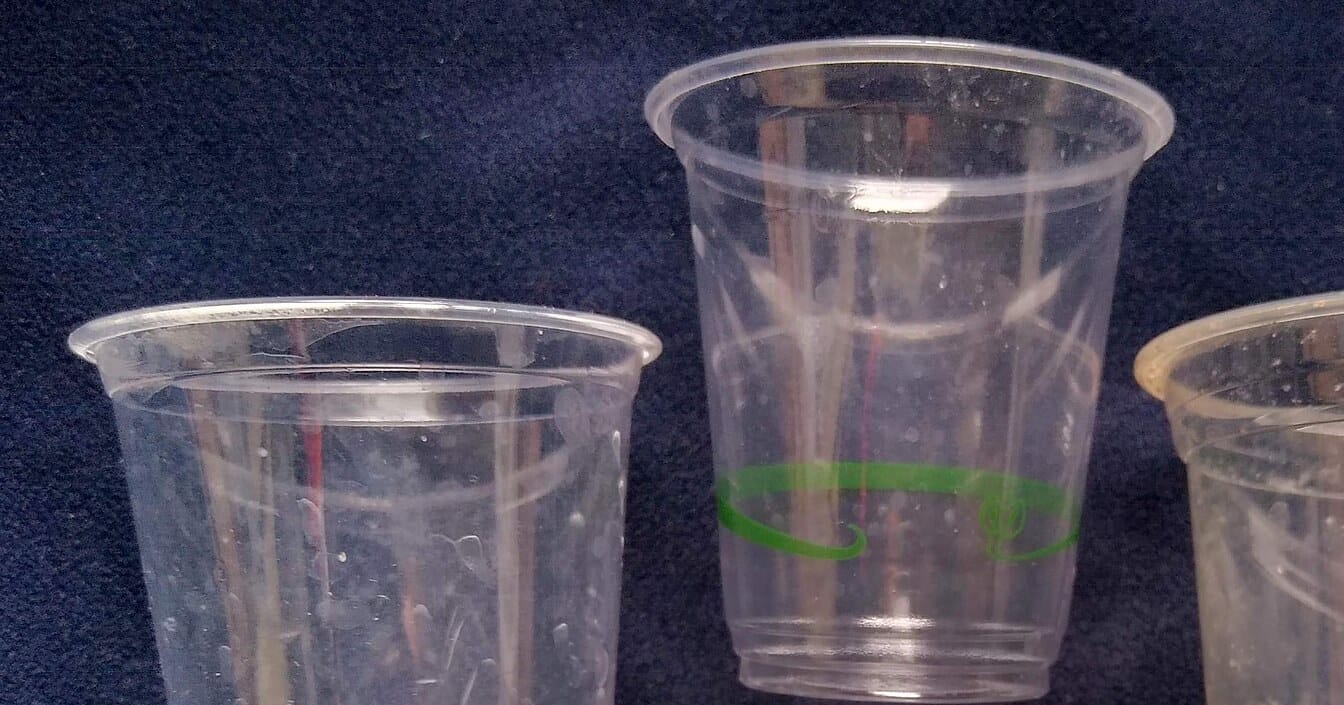
PLA has real limits. It typically needs industrial composting conditions to break down, so it is not a drop-in fix for every use. Its value lies in building domestic capability and offering an alternative to imported bioplastics. Whether it reduces plastic waste will depend on collection and composting infrastructure.
Reading the PLA biodegradable plastic news carefully
The pilot is small. At 100 tonnes a year, it is tiny beside India’s overall plastic use. The release also describes a pilot research facility, while the company has projected a separate industrial-scale PLA venture. Therefore, readers should treat this as a capability-building step rather than a plastic-waste solution.
Still, a home-grown supply chain is a needed step. It fits the wider shift toward sustainable packaging and the push for better waste management. Readers curious about the technology side can explore our sustainable technology stories.
Source: Press Information Bureau, Government of India (Ministry of Science and Technology, 24 September 2026). Additional context from media reports. Images: Sarbjit Bahga (sugarcane) and Cmglee (PLA cups), both CC BY-SA 4.0, via Wikimedia Commons.