
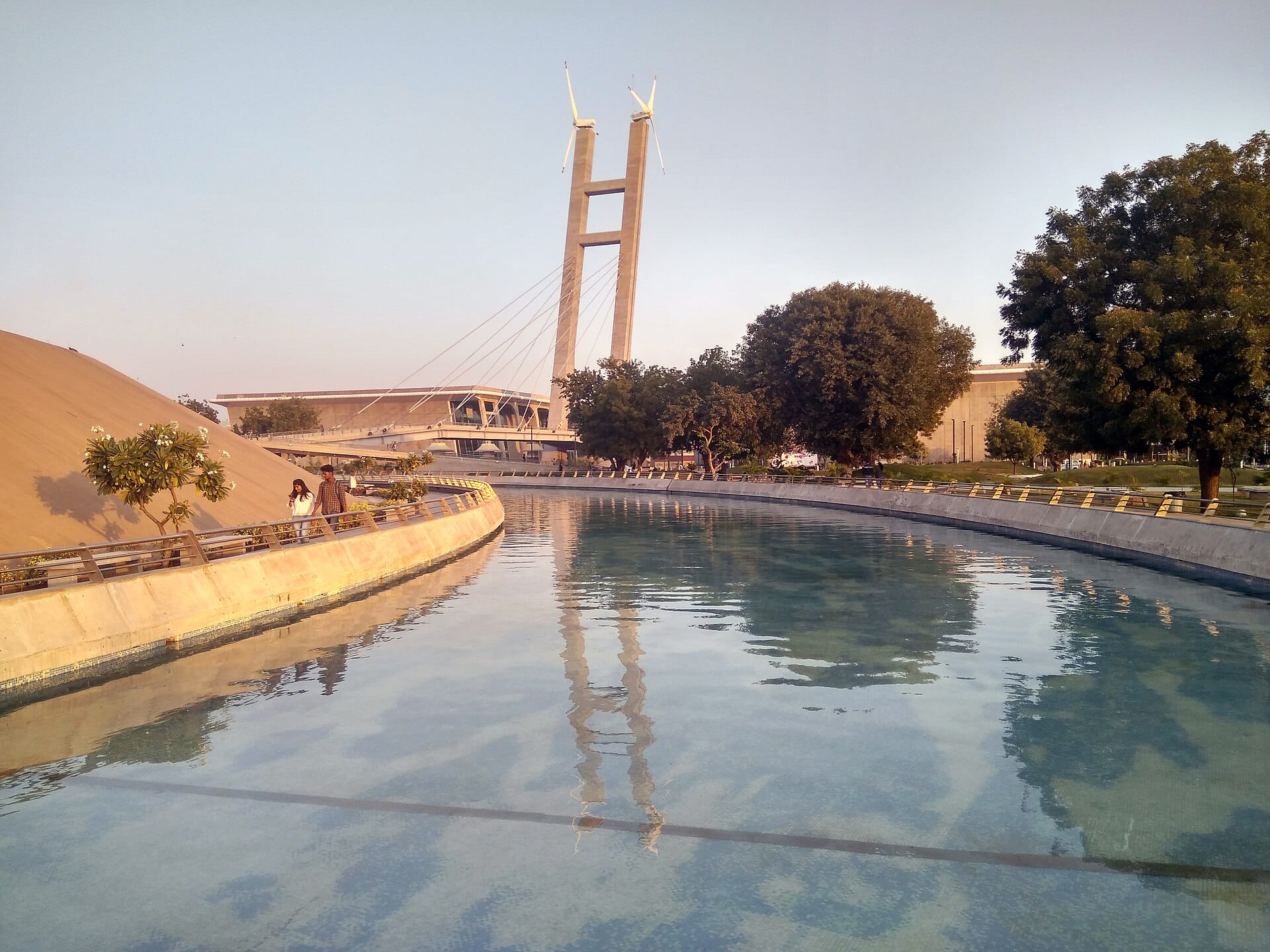
For the first time, the World Circular Economy Forum 2026 came to South Asia. Gandhinagar in Gujarat hosted the main programme on 15 and 16 September, under the theme ‘Circular Economy: Transition for People and Prosperity’. The Central Pollution Control Board, Finland’s Sitra innovation fund, the environment ministry and the Gujarat government organised it together.
‘Repair before replace’ at the World Circular Economy Forum 2026
Environment Minister Bhupender Yadav called circularity “a new way of looking at an old wisdom”. He said “repair before replace, reuse before discard, and recover before waste” was once simple common sense in Indian homes. In his view, the real measure of a circular economy is “how little value we allow to be wasted”, not how much is recycled.
Gujarat Chief Minister Bhupendrabhai Patel gave a local example. Offerings at the Somnath Temple are recycled into reusable resources that also generate livelihoods.
Mr Yadav also pointed to India’s international work on circularity. That includes the Resource Efficiency and Circular Economy Industry Coalition, launched during India’s G20 presidency, and the place of circular economy in India’s BRICS chairship.
Where India’s EPR rulebook stands
As of August 2026, more than 83,000 producers and 4,802 recyclers were registered under India’s Extended Producer Responsibility (EPR) frameworks, the minister said. Nearly 482.24 lakh metric tonnes of waste had been processed across regulated streams. However, he added that rules alone cannot build a circular economy. It must also begin with how people consume, which is where Mission LiFE comes in.
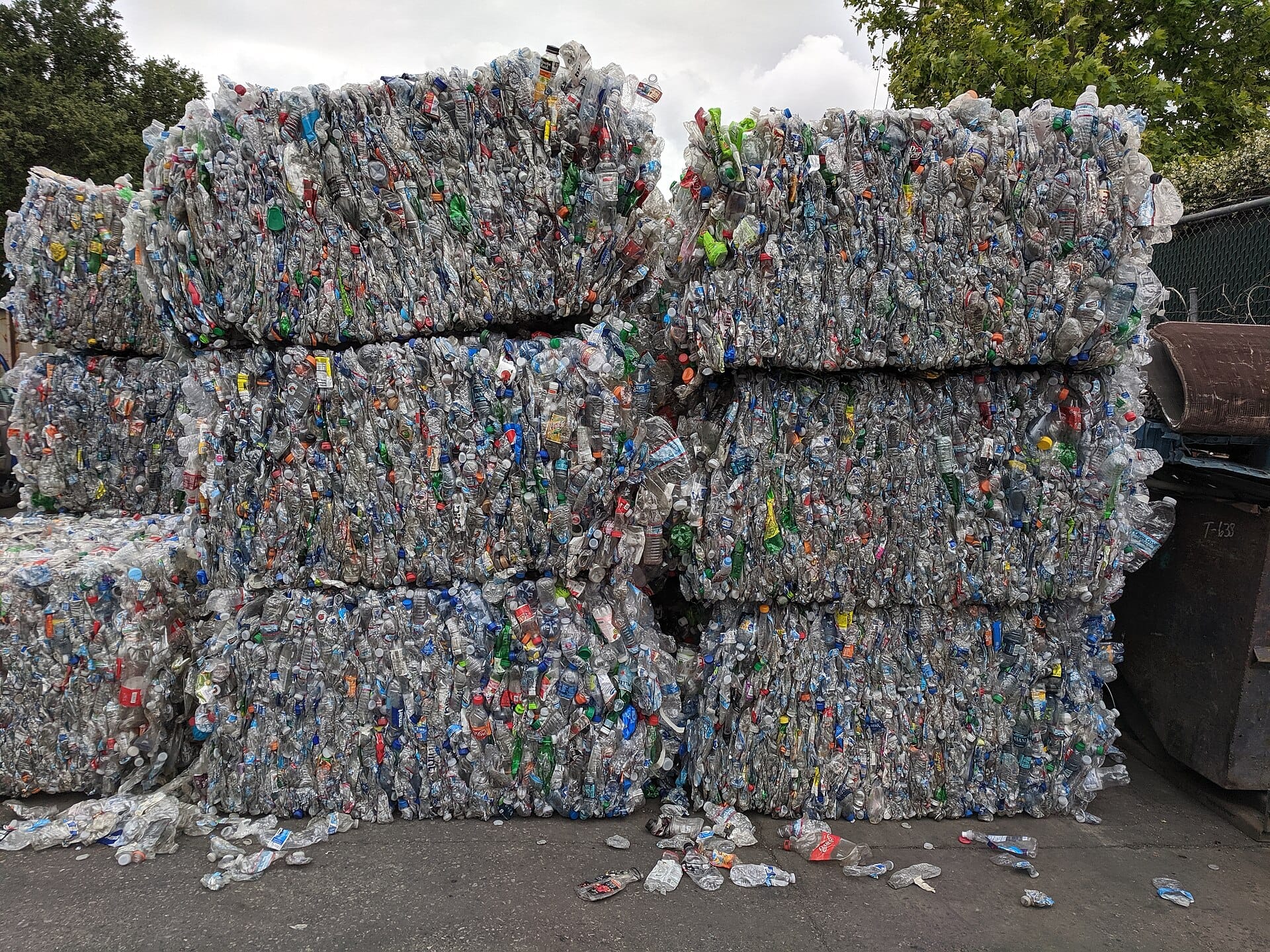
EPR registration numbers show that the system exists. What matters next is verified recycling, and the informal workers who already recover much of India’s waste. Cities already working on this can learn from the NCAP compendium of best practices, which lists dozens of low-cost waste and dust measures.
What the World Circular Economy Forum delivered
The forum registered 3,603 participants from 62 countries at its inauguration. By the closing session, organisers counted around 2,700 delegates and 260 speakers. It ran four plenaries and 16 parallel sessions on finance, technology, employment, gender equity and governance. An expo with 135 exhibitors showed practical circular solutions, and 80 accelerator sessions followed on 17 and 18 September.
Two publications were released: ‘Best Practices for Reuse of Treated Sewage’ and ‘Driving Sustainability: A Guide to India’s Circular Economy and EPR Initiatives’. The closing session launched the Ecomark logo. It also handed the baton for WCEF 2027 to Columbia University in the United States.
Topics on the programme ranged from AI applications and employment potential to energy production, sustainable products, industrial solutions, start-ups and youth leadership. On the sidelines, the board of the 10 Year Framework of Programmes on Sustainable Consumption and Production Patterns met in Gandhinagar. India recently became a co-chair of that board.
What other countries said
Finland’s ambassador said circularity is now part of his country’s national policy, with a goal of keeping resource consumption below 2015 levels by 2035. He added that over 100 Finnish companies in India work with circular and sustainable technologies. A Dutch official said the Netherlands aspires to be fully circular by 2050, and more than 20 Dutch companies and organisations took part. Finland’s climate minister, Sari Multala, called circular economy an economic and developmental opportunity, and stressed inclusion. For India, that last point is a test for its cities and its waste management workers.
The forum’s closing call was to accelerate inclusive and scalable solutions. If India turns that into verified recycling and fair work, it will strengthen the green economy at home. Find more updates in our India sustainability news.
Source: Press Information Bureau, Government of India (Ministry of Environment, Forest and Climate Change, 13 to 16 September 2026; see also releases 2309702 and 2311052). Additional context from media reports. Images: 92saeedshaikh and Grendelkhan (both CC BY-SA 4.0), via Wikimedia Commons.