
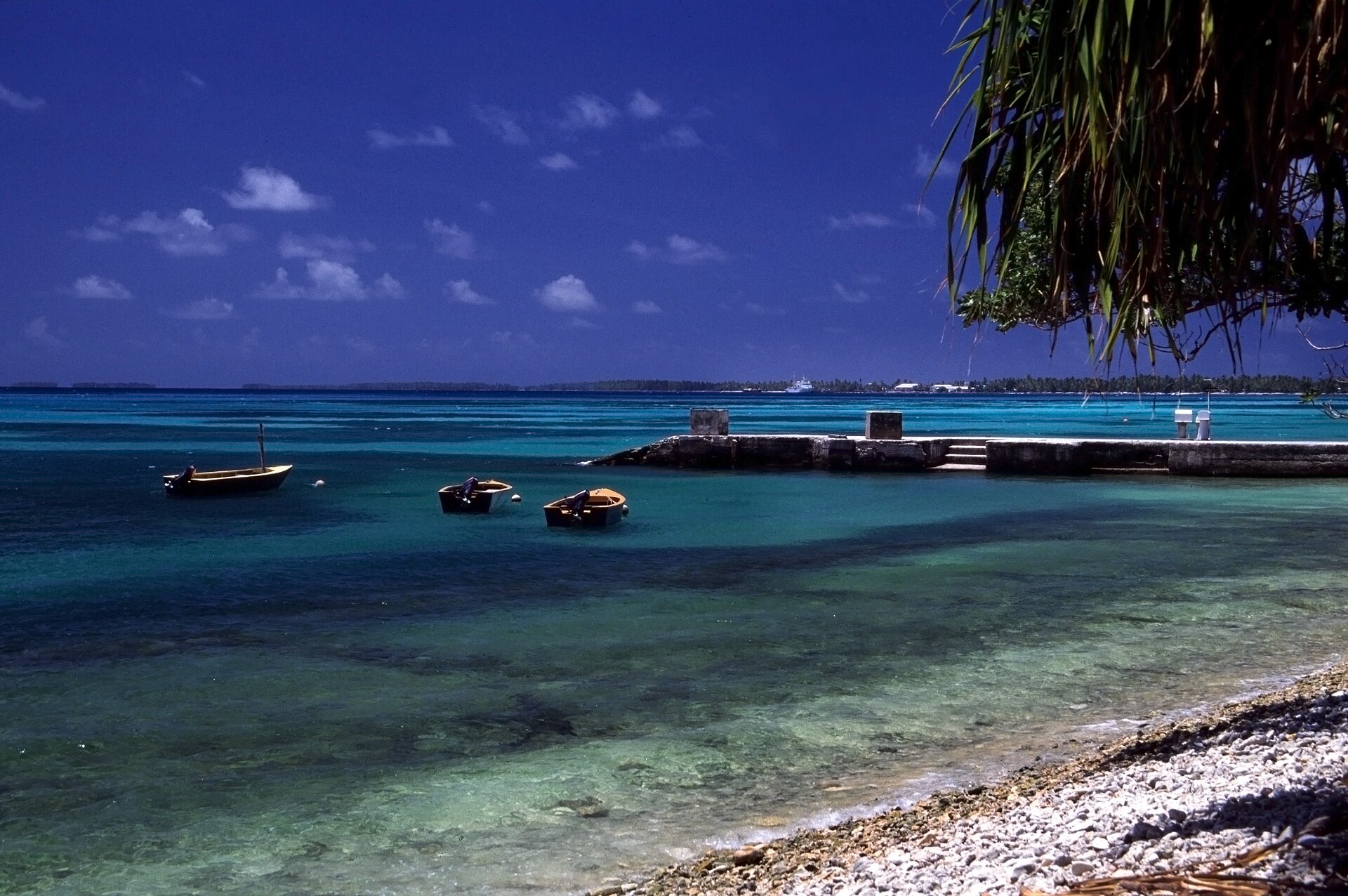
With the annual UN climate conference a few weeks away, climate negotiators held their warm-up. Here is what the Pre-COP31 India statement said, according to the Press Information Bureau (PIB). India’s Environment Minister Bhupender Yadav, leading the Indian delegation at the UNFCCC’s Pre-COP31 meetings co-hosted by Australia, Fiji and Tuvalu, used his Leaders’ Plenary address in Fiji on 6 October to argue for a balanced climate agenda. The account below rests on the PIB release alone.
What India asked for at Pre-COP31
According to PIB, Yadav called for equal attention to three things as the world heads to COP31: adaptation, mitigation and the means of implementation, meaning finance, technology and capacity building. He said the principles of Equity and Common but Differentiated Responsibilities and Respective Capabilities (CBDR-RC) must be upheld “in letter and spirit,” and that there is no “one-size-fits-all” pathway. Local studies and assessments, he argued, are what show which adaptation and mitigation measures an area needs, and the resources to match.
In our reading, that positioning is consistent with how India has framed climate talks for years: pushing back on the idea that mitigation alone defines ambition, and insisting that adaptation and finance get equal billing.
Pacific partnership and the offer
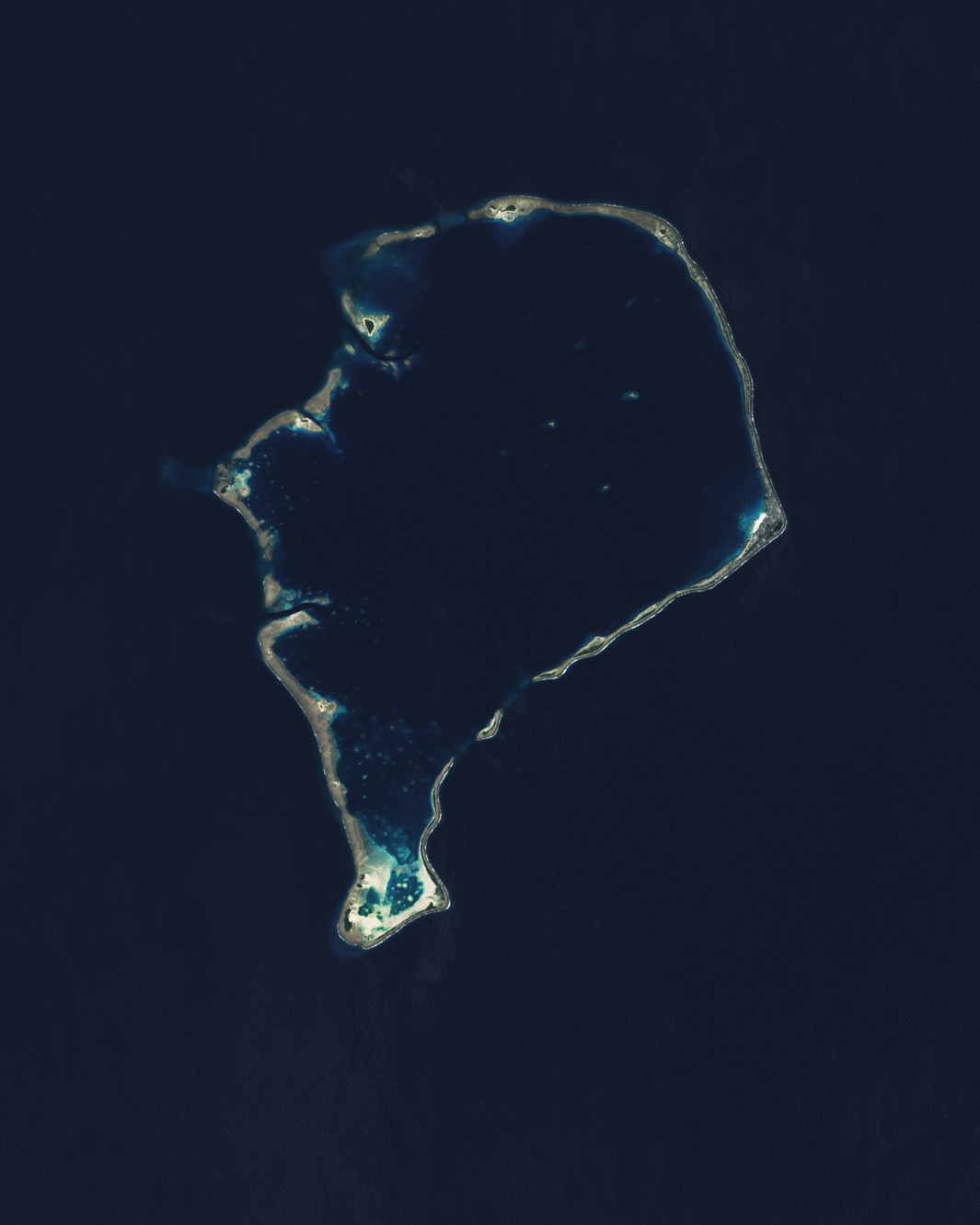
The setting gave the speech a particular edge. Pacific Island Countries are among the most exposed to sea-level rise and cyclones. According to PIB, Yadav said India, with its long coastline and islands, understands those challenges, and offered to share expertise built through ISRO, the National Centre for Sustainable Coastal Management (NCSCM) and the National Centre for Coastal Research (NCCR).
The offer, as described by the release, includes:
- coastal vulnerability assessment and shoreline-change mapping
- marine spatial planning and integrated coastal management plans
- blue economy potential
- space-based shoreline monitoring, inundation assessment, cyclone and extreme-weather early warning, and climate-risk assessment
He pointed to the Tuvalu Coastal Adaptation Project as an example of how international cooperation, particularly the provision of means of implementation, translates into tangible resilience. PIB adds that India also works with Pacific partners on health, renewable energy, resilient infrastructure, early warning, IT, agriculture and capacity building.
Where COP31 is headed
The release notes that COP31 will be held in Antalya, Türkiye, in November. Pre-COP is a preparatory meeting designed to surface positions before the formal negotiations begin, so statements like this one preview the lines India is likely to take on adaptation finance and equity.
Why it matters
For a sustainability-minded reader, the practical takeaway is that adaptation is no longer the lesser sibling in climate diplomacy. Cyclone early warning, coastal planning and satellite monitoring are exactly the kind of low-profile, high-impact tools that save lives. India’s willingness to share them with small island states is a positive south-south cooperation signal, though what ultimately counts is delivery: funded projects, trained staff, and working systems on the ground. Because the account of the speech comes from the government alone, treat the details as India’s own description of its position rather than an independent record of the talks.
For more on how India is building resilience at home, read about National Coastal Mission 2.0, what came out of the BRICS Environment Ministers meeting, and India’s pitch at UNCCD COP17. Follow more India sustainability news on Prakati.
Source: Press Information Bureau, Government of India (Ministry of Environment, Forest and Climate Change, 6 October 2026). Images: Funafuti coastline by mrlins (CC BY 2.0) and Funafuti Atoll satellite image by NASA Earth Observatory using Landsat data (public domain), via Wikimedia Commons.