
India generates an estimated 3.5 million tonnes of plastic waste every year — and recycles a significant share of it, largely through a vast informal sector that rarely gets the credit it deserves. On July 2, the country hosted one of its most ambitious attempts yet to put both the problem and the solutions in the same room.
The 3rd Global Conclave on Plastic Recycling and Sustainability (GCPRS) opened at Bharat Mandapam in New Delhi, drawing more than 400 exhibitors showcasing recycling technologies, sustainable materials, biodegradable packaging solutions, and waste management infrastructure. With over 50,000 business visitors expected across four days, it is India’s largest dedicated platform for plastic recycling and sustainability.
The headline message: stop treating recycling as a dirty business
Inaugurating the conclave, Department of Chemicals and Petrochemicals Secretary Tejveer Singh called for recycling to be treated as “a modern, technology-driven, high-value industry” and singled out the UN Global Plastics Treaty as the binding framework India needs to benchmark its efforts against. He also highlighted smaller packaging formats — sachets, thin films, multilayer pouches — as the hardest to collect and recycle, and called on industry R&D to find enduring solutions for these specific formats, not just easier, higher-value plastics.
The acknowledgement that matters most: waste pickers count
Perhaps the most significant statement at the conclave was the explicit recognition of informal waste collectors — the ragpickers, kabadiwaalas, and waste sorters who form the backbone of India’s actual recycling infrastructure. Secretary Singh called on industry and government to integrate and formalise this workforce into the larger ecosystem, rather than continuing to operate around them. India’s informal recycling sector recovers a substantial fraction of recyclable plastic that would otherwise go to landfill — without subsidies, without formal employment, and without the recognition the work deserves.
India’s policy context
India’s Plastic Waste Management Rules require rigid packaging to contain 30 percent recycled content starting in FY 2025-26, rising to 60 percent within three years. The recycled plastics market in India is projected to reach $3.81 billion by 2032. For consumers and citizens, the conclave is a reminder that the circular economy in plastics depends on both ends of the chain: what we produce and what we recover.
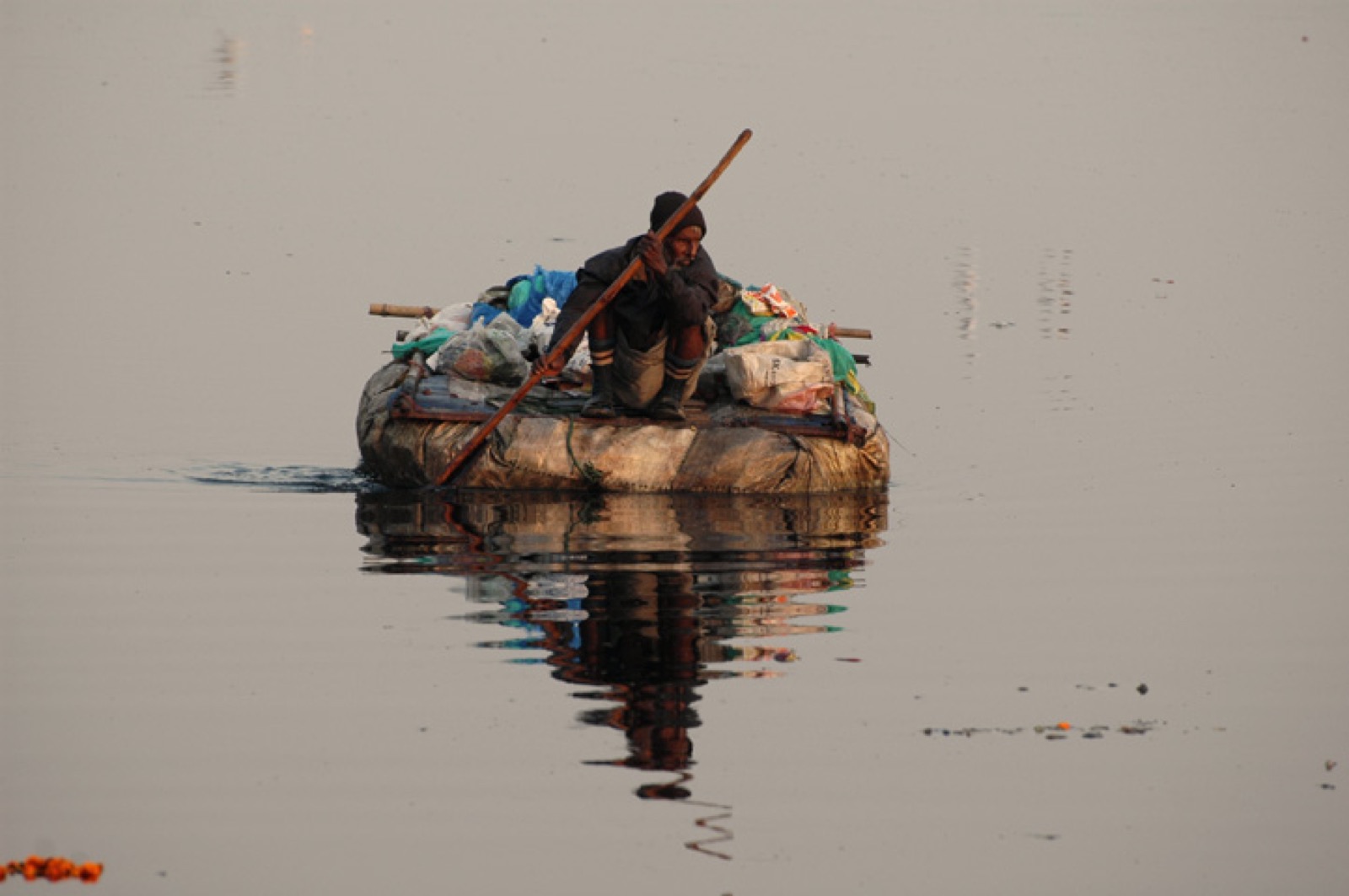
Sustainable packaging is one part of the answer. But the bigger answer is making sure India’s extraordinary informal recycling capacity is recognised, supported, and eventually formalised — so the people doing the hardest work in the chain aren’t left outside the economy they are quietly sustaining. Every recycling technology on display at Bharat Mandapam is pointless without the waste collection systems that feed it material.
Source: Press Information Bureau, Government of India (PRID 2280429)