
Organic farming has a well-known certification trail for crops. Fish have lacked one. During a visit to Sikkim on 2 November, Union Fisheries Minister Rajiv Ranjan Singh launched a Standard Operating Procedure for Organic Certification of Fisheries in the Northeastern region, a step towards fixing that, and drew attention to India’s first organic fisheries cluster.
India’s first organic fisheries cluster
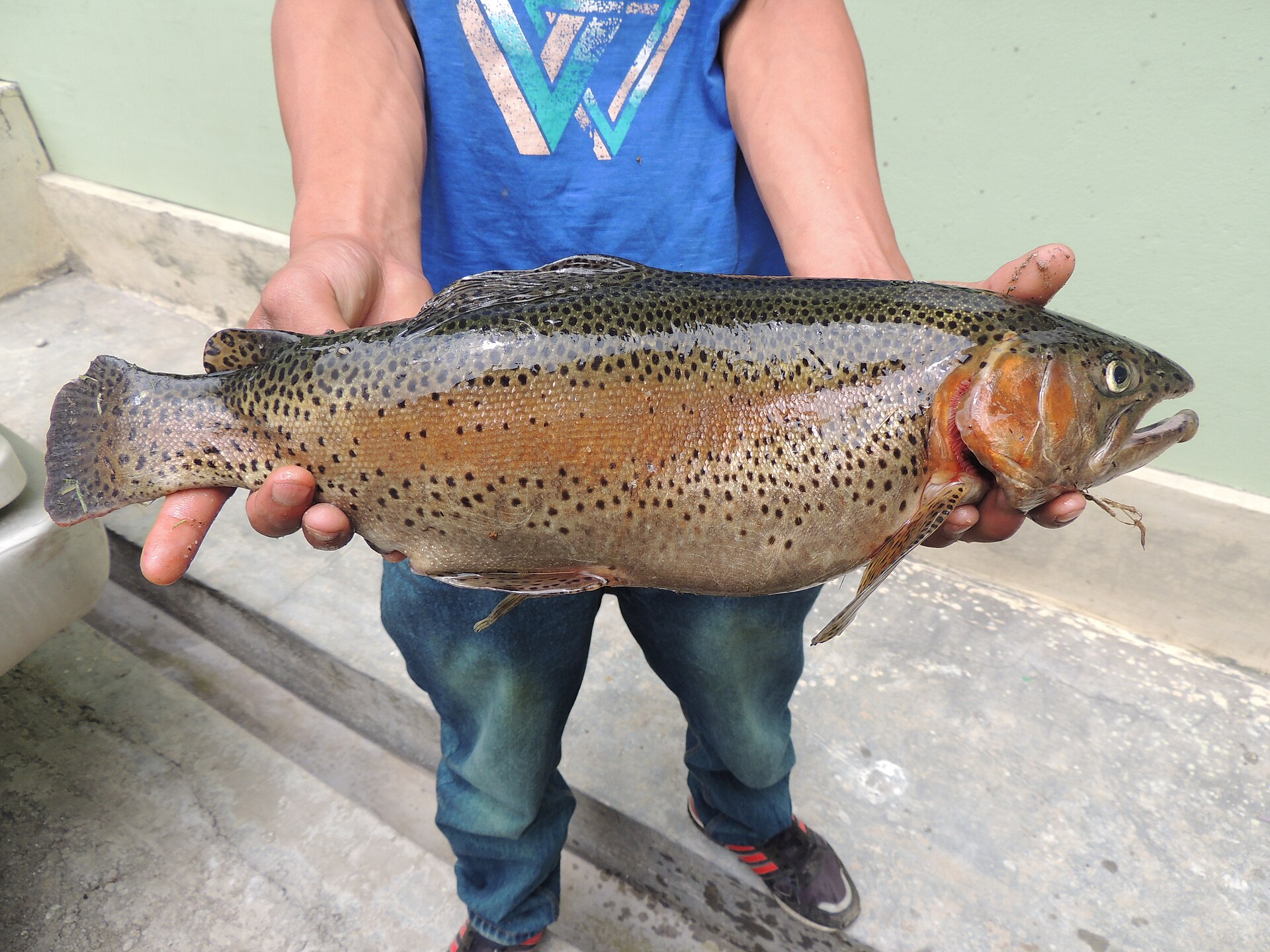
Soreng district in Sikkim is India’s first organic fisheries cluster under the Pradhan Mantri Matsya Sampada Yojana (PMMSY). It focuses on fish farming without harmful chemicals, antibiotics and pesticides, with emphasis on Amur carp, Indian Major Carps and trout, building on Sikkim’s existing organic ecosystem.
Under PMMSY, 34 fisheries production and processing clusters have been notified nationwide, including organic clusters in Sikkim and Meghalaya.
What the SOP adds to the organic fisheries cluster
The SOP gives a structured framework for organic production and traceability across the value chain, so organic fish can be credibly positioned for premium domestic and export markets. During the visit the minister also inaugurated projects worth Rs 375 lakh covering hatcheries, feed mills, cold storage, biofloc and recirculating aquaculture systems (RAS), and distributed Kisan Credit Cards to fish farmers.
Why it matters
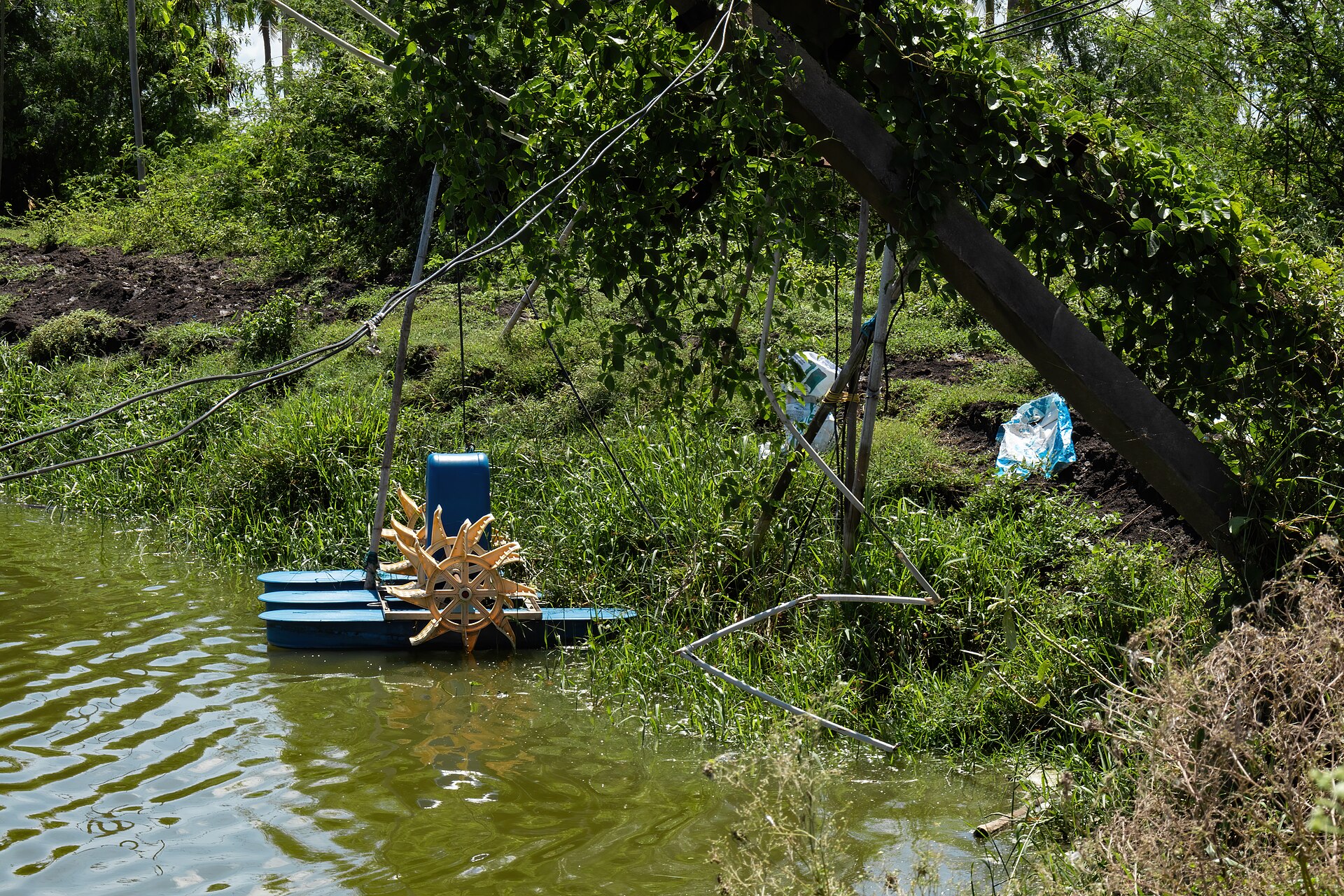
Intensive aquaculture can strain water bodies through feed waste and antibiotic use. A certified organic route gives farmers in ecologically sensitive hill regions a way to earn more without that load. As with any organic label, its value depends on audits and traceability actually being carried out.
Explore more on organic living and standards, our guide to sustainable agriculture in India, and the latest India sustainability news.