
If you own a vehicle in India, the rhythm of your Pollution Under Control (PUC) certificate is changing. According to the Press Information Bureau, the Ministry of Road Transport and Highways has amended sub-rule (7) of Rule 115 so that PUC certificate validity now depends on a vehicle’s age and emission standard. The aim is to ease the burden on newer, cleaner vehicles while keeping a closer watch on older ones.
The revised PUC certificate validity periods
- BS-I, BS-II and BS-III vehicles: 3 months
- BS-IV vehicles: 6 months
- BS-VI non-transport vehicles: 3 years up to 6 years from first registration; 1 year between 6 and 10 years; 6 months beyond 10 years
- BS-VI transport vehicles: 2 years up to 6 years from first registration; 1 year between 6 and 10 years; 6 months beyond 10 years
Transition and renewal
Certificates issued before the amendment take the new validity only from their first renewal after it comes into force. If you renew within ten days before expiry, the new certificate starts from the old one’s expiry date; renew late and it starts from the date of renewal.
Why it matters for air quality
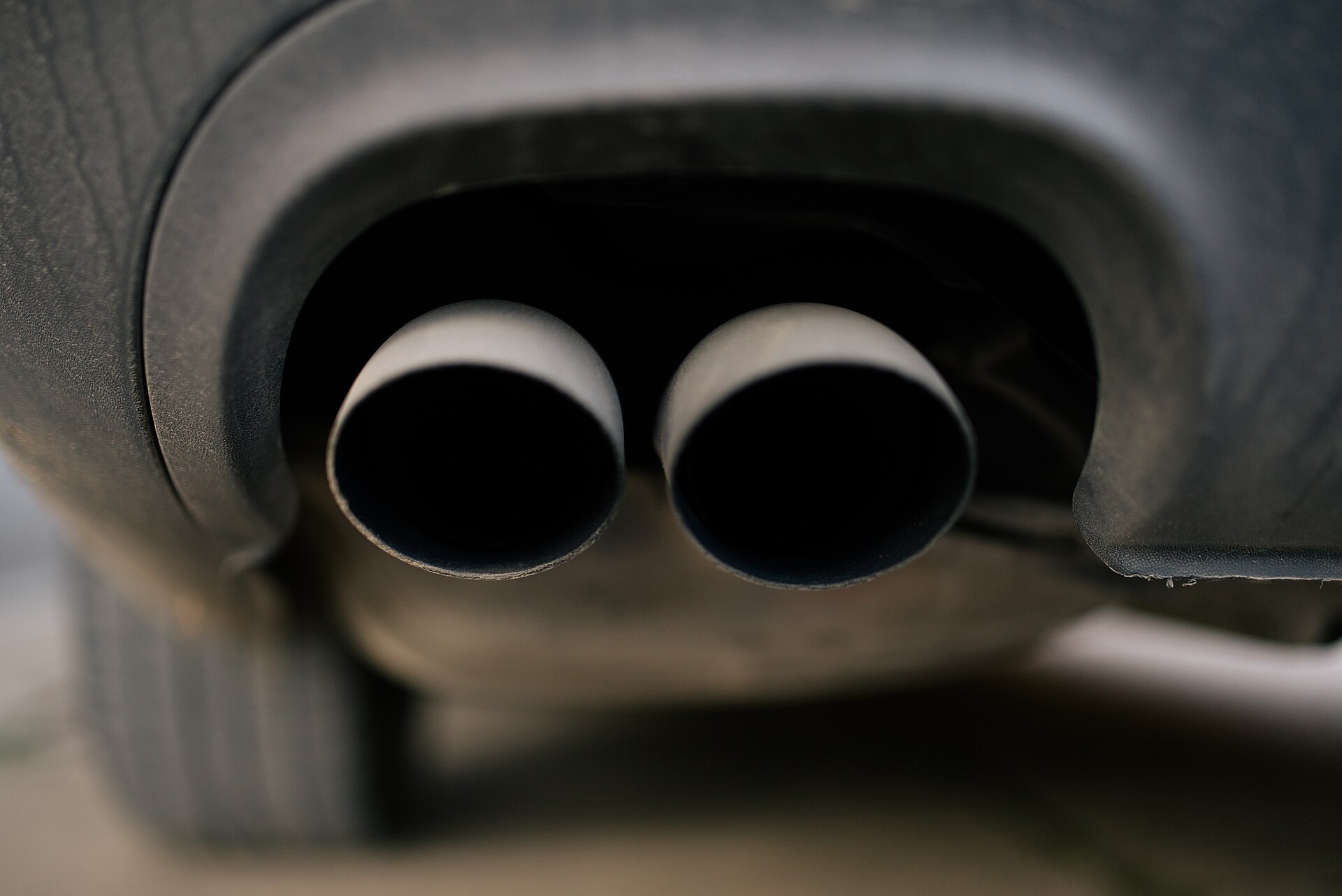
The logic is risk-based: a newer BS-VI car emits far less than an old BS-III vehicle, so testing both on the same cycle spends effort where it is least needed. Short validity for older vehicles keeps in-use emissions visible, which matters for city air quality.
Whether it works depends on enforcement: a certificate only cleans the air if testing centres are credible and high-emitting vehicles are actually repaired or retired. PUC checks already sit at the heart of city action plans, as in the Delhi NCR air pollution plan with its “no PUCC, no fuel” rule, and they sit alongside efficiency rules such as the new CAFE-III fuel economy norms. For more, explore our sustainable transport coverage and India news.