
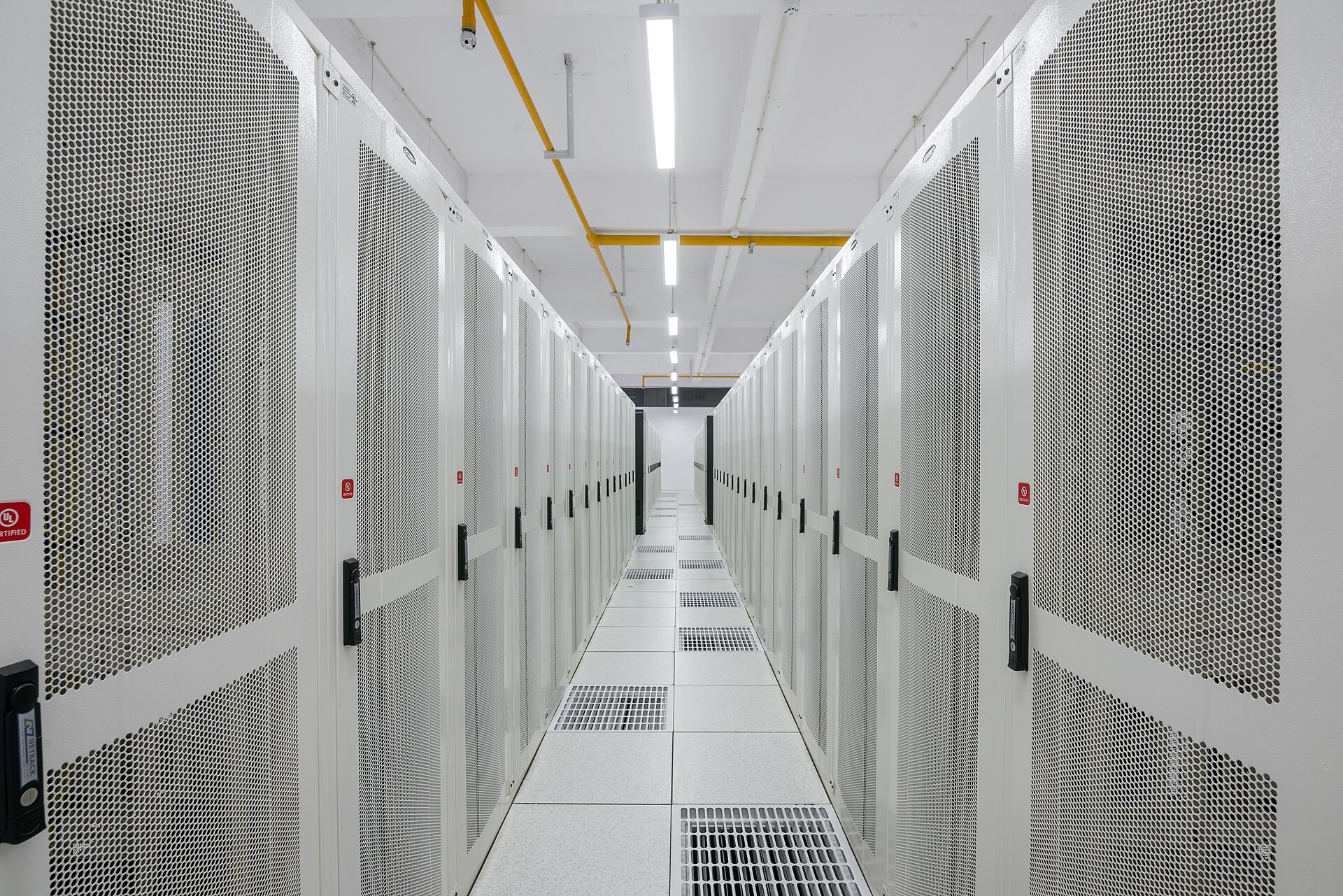
Every chatbot answer, video stream and cloud backup lives in a building somewhere, and those buildings are multiplying fast in India. On 14 October, NITI Aayog’s Frontier Tech Hub released a Data Centre Evaluation Framework designed to help state governments decide where, and how, to host them without straining local resources.
The numbers behind the push
According to the release, India’s data-centre capacity has grown from about 375 MW in 2020 to roughly 1.5 GW today, driven by demand from artificial intelligence, cloud computing and high-performance computing. The government has also offered a tax holiday until 2047 for eligible foreign cloud service providers using India-based data centres, a sign of how keen it is to attract the investment.
The sustainability catch
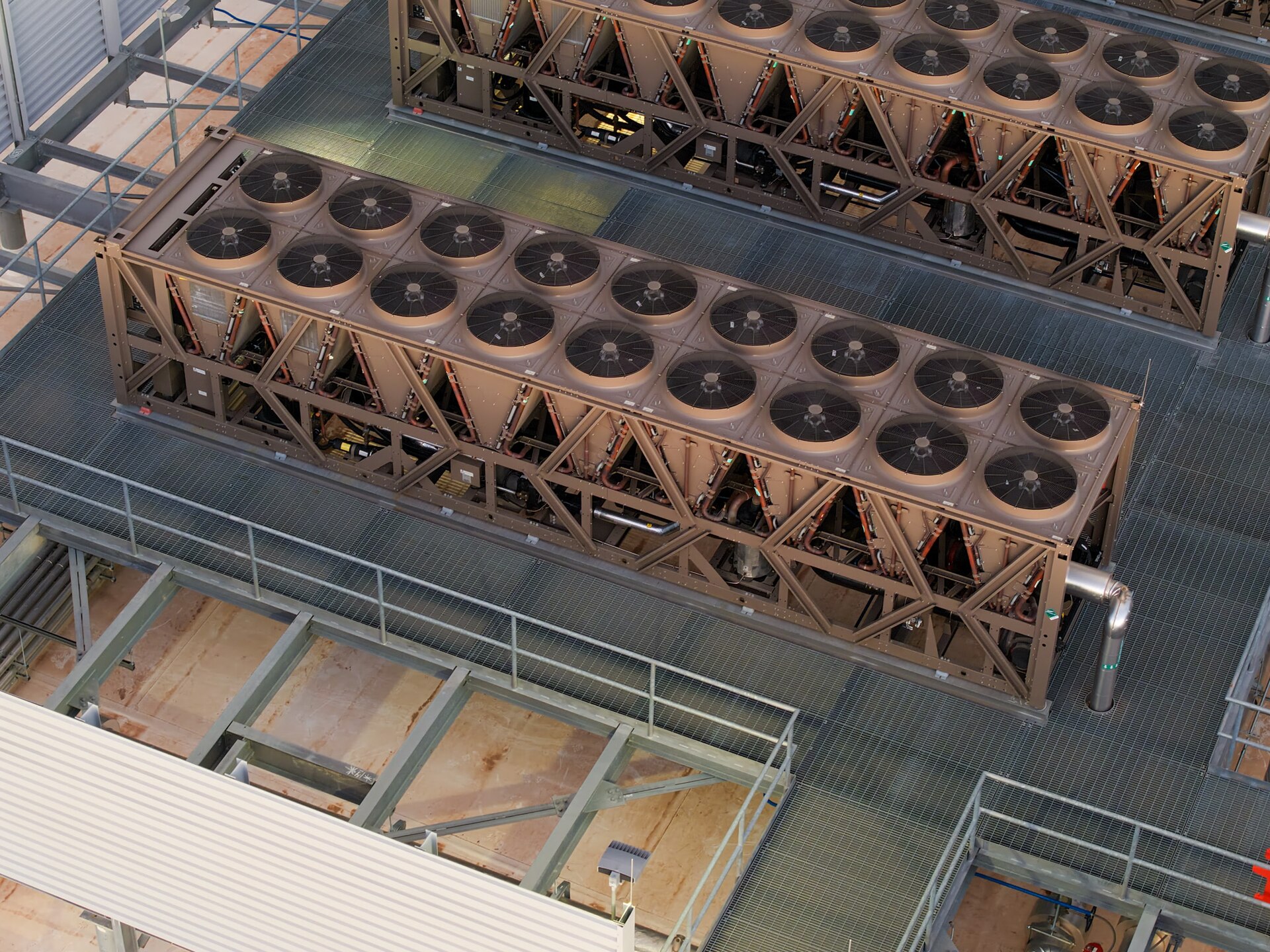
Data centres are thirsty and power-hungry. NITI Aayog’s own note acknowledges that facilities at increasing scale place substantial demands on electricity, water, land, connectivity and local infrastructure. That is why the framework shifts the question from “how do we attract investment?” to “are the right resources actually there?”
In practice, the framework gives states a structured way to:
- Assess infrastructure readiness such as grid capacity and connectivity.
- Safeguard critical resources like water and power, so that a new facility does not compete with households and farms.
- Weigh long-term economic and strategic value before committing incentives.
NITI Aayog CEO Anurag Jain said the aim is investment readiness, helping states anticipate constraints and speed up projects “without creating an additional layer of regulation”. Member Prof. Abhay Karandikar pointed to opportunities in advanced cooling, energy efficiency and resource-efficient computing, where Indian R&D could add value. Distinguished Fellow Debjani Ghosh called data centres strategic infrastructure and stressed building “sustainable capacity”.
Why it matters beyond tech
Cooling is where water and electricity bills pile up, and siting decisions made now will lock in resource use for decades. A framework is not a mandate, and the release does not set binding limits on water use or require renewable power. Whether states adopt it and publish how they scored a project will decide if it changes outcomes. Still, putting resource availability at the centre of planning is a welcome step, especially as India builds out clean power capacity and manages stretched water resources, a theme from India International Water Week 2026.
What readers can take from it
Digital life has a physical footprint. Small habits, such as clearing unused cloud storage, streaming at lower resolution when you do not need HD and choosing providers that publish renewable-energy and water figures, reduce demand at the margin, and they send a signal to an industry that is growing very quickly. Explore more on sustainable energy in India.