
Carbon markets are often discussed in the abstract, but a very practical step was announced on 5 October. On 30 September, Japan’s Ambassador to India, Keiichi Ono, and the then Secretary of India’s environment ministry, Tanmay Kumar, jointly launched the Operational Manual for the India Japan Joint Crediting Mechanism (JCM) in New Delhi, according to the Press Information Bureau (PIB). The manual explains how the scheme will work. It does not name a single project or say how many credits to expect.
What the India Japan Joint Crediting Mechanism is
The JCM is a bilateral arrangement under Article 6.2 of the Paris Agreement, the part that lets countries cooperate directly on emission reductions. Japan’s government, companies and public entities help finance and deploy low-carbon technologies in a partner country. The verified emission reductions are issued as JCM credits and shared between the two countries. According to PIB, the goal is to promote advanced low-carbon technologies, mobilise climate finance, facilitate technology cooperation and support high-integrity reductions and removals, while building confidence and transparency in international carbon markets.
The road to the manual
The sequence is worth noting, because it shows how slowly carbon-market plumbing is built:
- 7 August 2025: India and Japan signed a Memorandum of Cooperation. Media reports note India was the 31st country to sign a JCM with Japan, and it is India’s first bilateral cooperation under the Paris Agreement.
- 8 June 2026: the joint committee adopted the Rules of Implementation.
- 30 September 2026: the Operational Manual was launched.
The ministry describes this as a transition from institutional preparation to implementation. The manual lays out the whole project cycle, from submitting a Project Idea Note to issuing and authorising JCM credits. That matters to any company thinking of proposing a project: it replaces uncertainty with a defined process.
What kinds of projects might use it
The release does not list projects. Earlier coverage of the Memorandum of Cooperation said India has flagged priority areas for international decarbonisation cooperation, including compressed biogas, green hydrogen and ammonia, transition of high-emission industries and carbon capture, where Japanese technology could contribute. Whether those become the first JCM projects has not been announced, and neither the PIB release nor the launch gives any project pipeline or volume of credits.
Why it matters
Article 6 carbon markets have been criticised for weak integrity, so a transparent, documented procedure is a point in favour. For India, the real questions will be which projects get credits, how credits are accounted against India’s own climate targets, and how benefits reach the communities and industries that actually cut emissions. Those answers will emerge as the first projects enter the pipeline. For now, the manual means the machinery exists, and the first credits can follow.
To understand how carbon is being valued at home, read how soil carbon payments reached Punjab and Haryana farmers, what India’s Green Credit Programme offers, and how India and Japan struck a green hydrogen deal. Explore more net zero stories on Prakati.
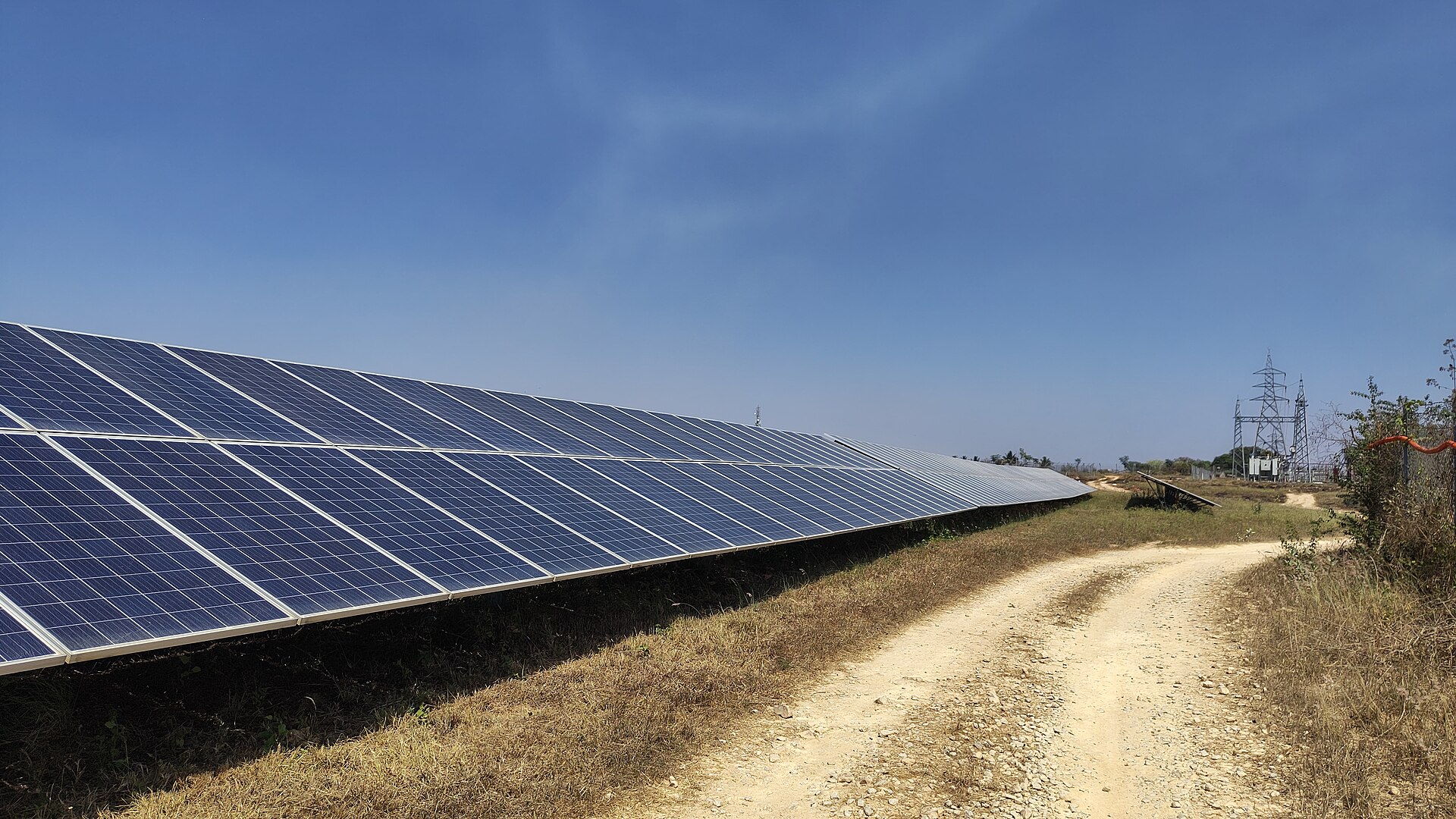
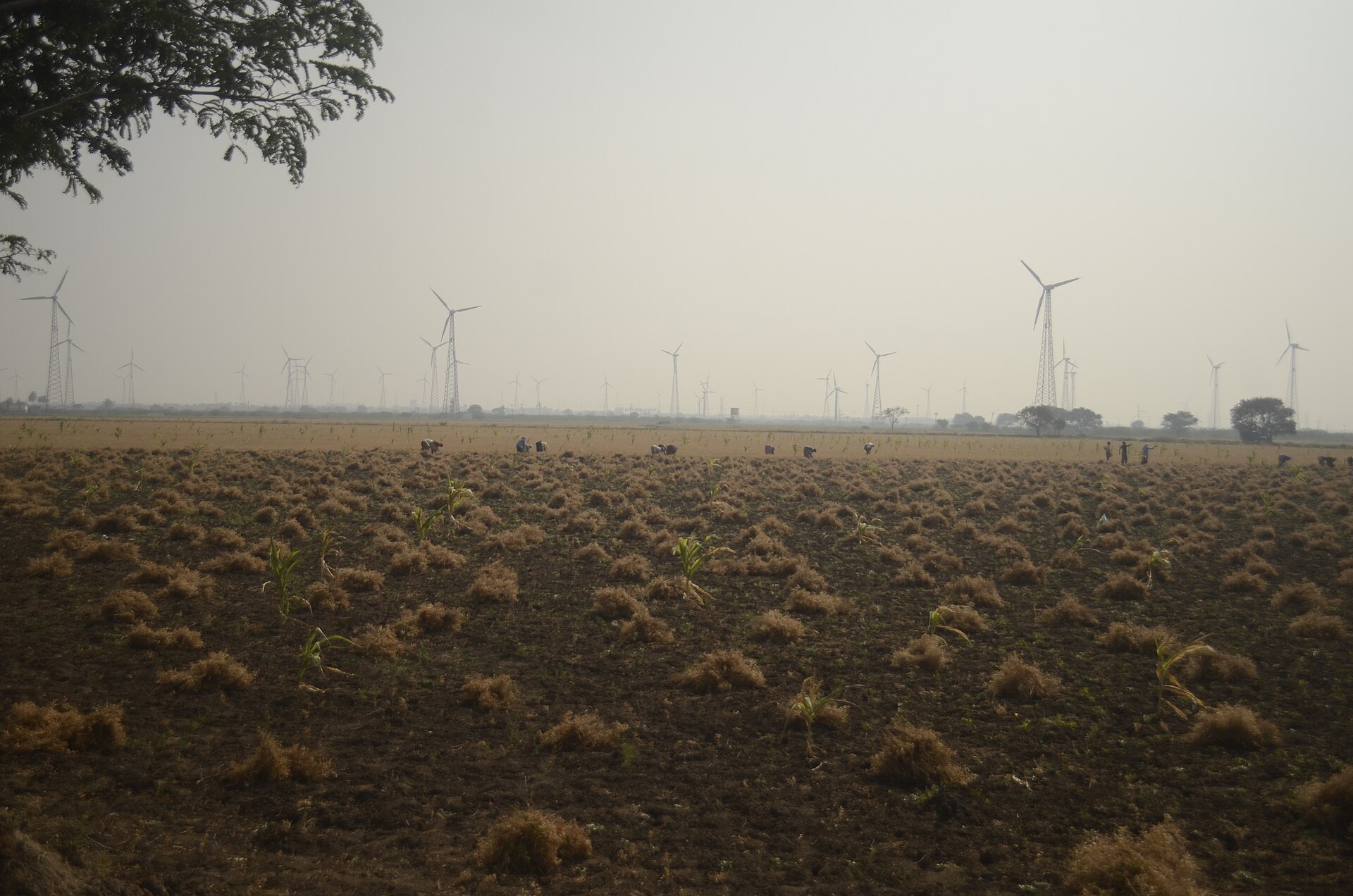
Source: Press Information Bureau, Government of India (Ministry of Environment, Forest and Climate Change, 5 October 2026). Background on the 2025 Memorandum of Cooperation is from media reports. Images: solar panels in India by Manjunatha G, WELL Labs, and wind turbines in Tamil Nadu by PJeganathan, both CC BY-SA 4.0, via Wikimedia Commons.