
Eco gardening is the practice of growing plants, vegetables, or flowers in ways that work with nature instead of against it — skipping synthetic chemicals, conserving water, feeding the soil rather than depleting it, and turning household waste into a resource instead of trash. Whether you have a sprawling backyard or a single sunny window ledge in a city apartment, eco gardening scales to fit the space you have.
For a country where urban green cover is shrinking and water stress is rising, eco gardening is more than a hobby — it is a small, repeatable act of restoration. This guide walks through what eco gardening actually means, the core principles that make a garden genuinely sustainable, and a practical, India-specific starting point whether you are gardening on a terrace, a balcony, or open ground.
What Is Eco Gardening?
Eco gardening — also called sustainable or organic gardening — means designing and maintaining a garden using practices that protect soil health, conserve water, support local biodiversity, and avoid synthetic pesticides and fertilizers. It treats a garden as a small ecosystem, where healthy soil, beneficial insects, and recycled organic matter do most of the work that chemical inputs would otherwise be used for.
Unlike conventional gardening, which often leans on chemical fertilizers and pesticides for fast results, eco gardening plays a longer game — building soil fertility over seasons, reducing external inputs, and creating a space that needs less intervention over time, not more.
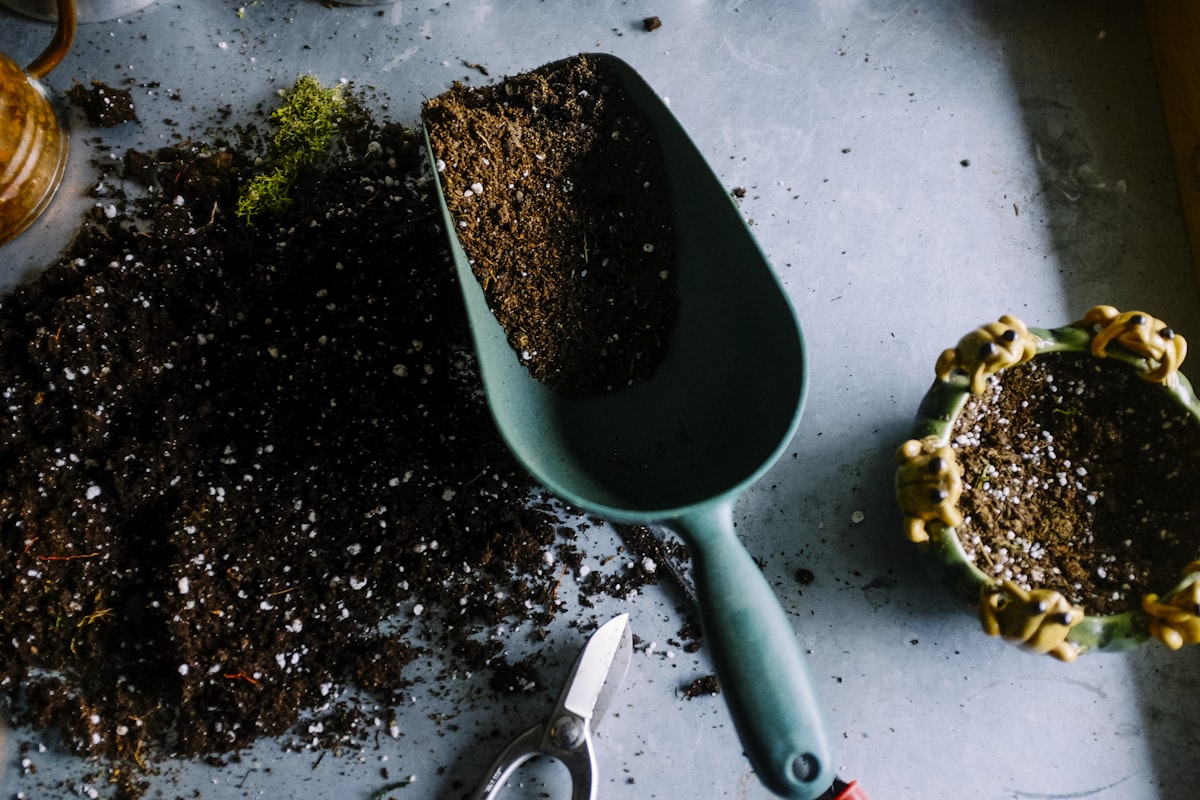
You do not need a farm to start eco gardening. A terrace, balcony, or even a cluster of pots on a windowsill can support herbs, leafy greens, and flowering plants once the soil, water, and light basics are in place — city gardening is where most Indian eco gardeners actually begin.
Core Principles of Eco Gardening
1. Build Soil, Don’t Just Feed Plants
Healthy soil is the foundation of an eco garden. Instead of relying on chemical fertilizers for a quick nutrient hit, eco gardening focuses on improving soil structure and microbial life with compost, vermicompost, and other organic fertilizers — inputs that feed the soil ecosystem, not just the plant in front of you. Over time this produces stronger root systems, better drought resistance, and plants that need far less intervention.
2. Compost Your Kitchen and Garden Waste
Composting is arguably the single highest-impact habit in eco gardening. Fruit and vegetable peels, tea leaves, dried leaves, and garden trimmings can be converted into nutrient-rich compost instead of ending up in a landfill, where organic waste generates methane. If you are new to this, our step-by-step guide to composting kitchen waste at home in India covers bin setup, the carbon-to-nitrogen ratio, and troubleshooting common issues like odour or pests.
3. Conserve Water Deliberately
Water-wise eco gardening uses techniques like mulching (covering soil with dried leaves or straw to reduce evaporation), drip irrigation instead of overhead watering, and watering early morning or evening to minimise loss to heat. Where possible, harvested rainwater is one of the best water sources for a garden — untreated, mineral-rich, and free. Our guide to rainwater harvesting methods and benefits in India explains how households can set up simple collection systems that double as a garden’s primary water source.
4. Choose Native and Climate-Appropriate Plants
Native and regionally adapted plants are already suited to local rainfall, soil, and temperature patterns, so they need less water, less fertilizer, and less pest management than imported ornamental varieties. Prioritising native species in an eco garden also supports local pollinators — bees, butterflies, and birds that co-evolved with those plants specifically.
5. Manage Pests Without Synthetic Chemicals
Instead of reaching for chemical pesticides, eco gardening leans on companion planting (marigolds to repel nematodes, basil near tomatoes), neem-oil sprays, and encouraging natural predators like ladybirds. A garden with some pest activity is not automatically a failing one — a small amount of biodiversity, including a few “pest” insects, is often a sign the ecosystem is functioning rather than sterile.

Compost is the closest thing eco gardening has to a single non-negotiable habit — it recycles waste that would otherwise sit in a landfill and turns it into the exact nutrient mix your soil needs, at zero cost beyond the effort of turning the pile occasionally.
Getting Started: Eco Gardening for Indian Homes
Terrace and Balcony Gardens
For most urban Indian households, eco gardening starts on a terrace or balcony. Lightweight containers, good drainage, and a compost bin tucked in a corner are usually enough to grow herbs (tulsi, mint, coriander), leafy greens (spinach, methi), and even compact vegetables like chillies and tomatoes. If you are setting one up from scratch, our detailed terrace gardening essentials guide covers containers, soil mix, and sun exposure planning.
Soil-Less and Space-Constrained Options
If soil and space are both limited, techniques like hydroponics let you grow leafy greens and herbs using a nutrient-rich water solution instead of soil, in a fraction of the footprint. See our guide to growing plants using hydroponics for a beginner-friendly breakdown of setup and maintenance.
A Simple First Month
- Week 1: Start a small compost bin using kitchen scraps and dried leaves. Choose 3–4 pots or a raised bed with good drainage.
- Week 2: Fill containers with a mix of soil, compost, and coco peat. Plant fast, forgiving starters — tulsi, mint, coriander, or marigold.
- Week 3: Set a watering rhythm (early morning, moderate amounts) and add a layer of dried-leaf mulch to reduce evaporation.
- Week 4: Check on pest activity, top up compost as it matures, and consider adding a second, slightly more demanding plant like a chilli or brinjal.
Why Eco Gardening Matters Beyond Your Own Garden
A single balcony garden will not change a city’s climate outcomes on its own — but eco gardening habits scale. Composted kitchen waste is waste that never reaches a landfill. A rainwater-fed terrace garden is demand that never hits the municipal water supply. A pesticide-free balcony is one more small habitat for pollinators in a city that has fewer of them every year. Multiplied across households, these small, deliberate choices are exactly the kind of change Prakati believes adds up to something larger — sustainable living practiced one pot, one compost bin, and one rain barrel at a time.
Frequently Asked Questions
Is eco gardening more expensive than regular gardening?
No — it is usually cheaper over time. Compost replaces store-bought fertilizer, rainwater reduces water bills, and native plants need less ongoing input. The main cost is time and patience while soil health builds up in the first season or two.
Can I do eco gardening with only a balcony or windowsill?
Yes. Container gardening, vertical planters, and even a single compost jar are enough to apply eco gardening principles at a small scale. Herbs and leafy greens are the easiest starting point for compact spaces.
What is the easiest eco gardening habit to start with?
Composting kitchen scraps is usually the easiest and highest-impact first step — it needs no special equipment beyond a bin, and it directly solves the fertilizer and waste-reduction pieces of eco gardening at once.