
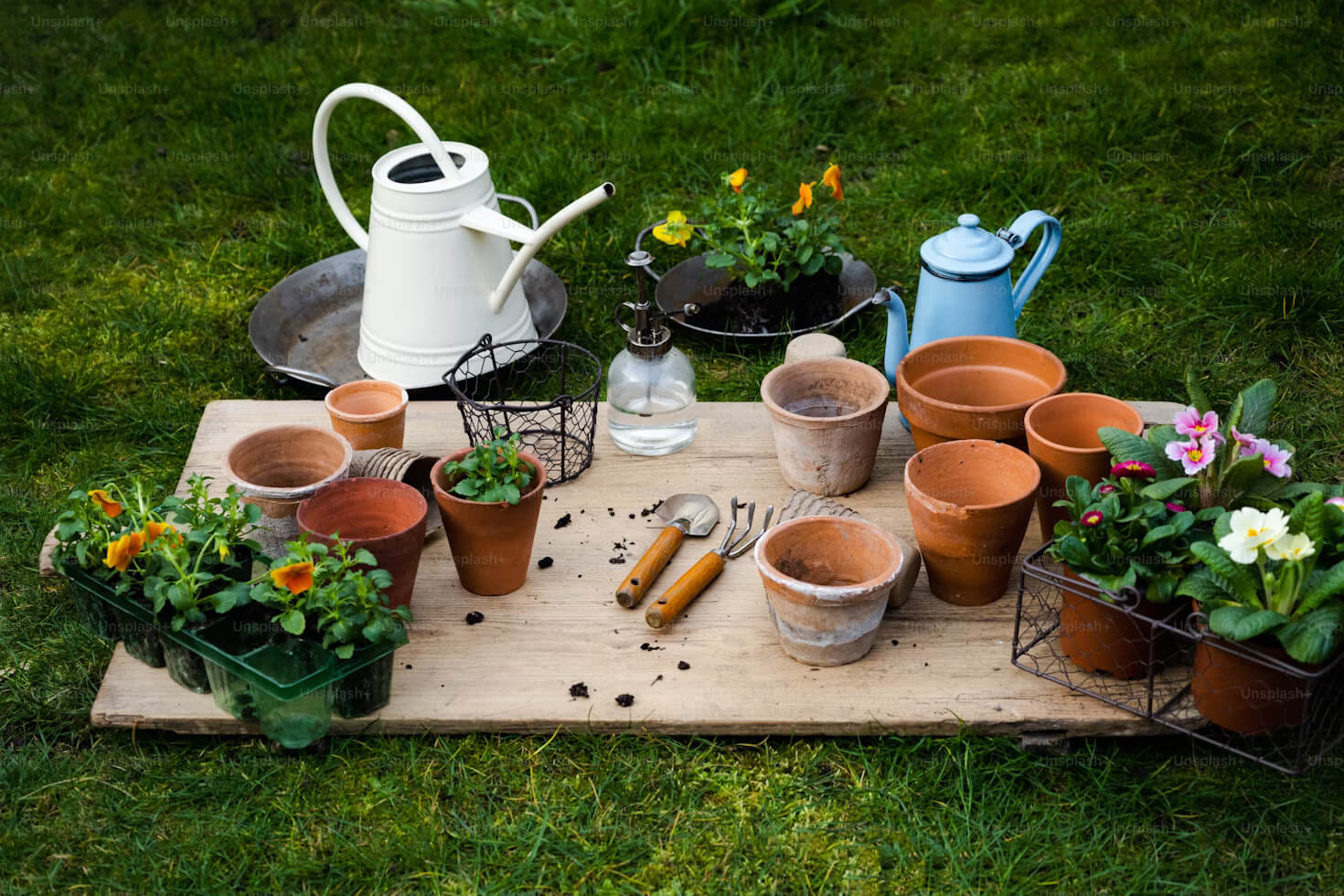
A terrace garden turns unused rooftop space into a source of fresh herbs, vegetables and flowers, while cooling your home and cutting the food miles on your plate. Terrace and balcony gardening is rewarding, but it works best with the right tools and accessories. Whether you are a seasoned gardener or just starting out, here are 11 must-have items for a thriving terrace garden.
How to Start a Terrace Garden
Before buying anything, spend a day observing your terrace. A few simple checks will save money and plants later.
- Check sunlight. Most vegetables and herbs need at least 4 to 6 hours of direct sun. Note which corners stay bright and which stay shaded.
- Mind the load. Filled planters and wet soil are heavy. Spread containers along load-bearing walls and use lightweight potting mixes such as coco peat blends instead of heavy garden soil.
- Plan for water. Keep a tap or storage point nearby, and think about rainwater harvesting to water your plants sustainably.
- Protect the roof. Raise planters on stands so water can drain freely, and avoid pooling that could seep into the slab.
- Start small. Begin with easy crops such as tulsi, mint, coriander, chillies, tomatoes and leafy greens, then expand.
Terrace gardening also pairs well with composting kitchen waste at home, which gives you free, nutrient-rich fertiliser. For more ideas, read our complete guide to sustainable gardening at home in India, or explore the compost bin guide.
11 Terrace Garden Essentials
Terrace Gardening essentials list
1. Planters
Planters are generally containers made of clay, fired clay (ceramic) & plastic. Growing Bags made up of HDPE are quite famous these days. Growing bags are lightweight, easy to store if empty and are easy to move if filled with potting media. With a sustainable approach in mind avoiding plastic containers is the best thing to do.
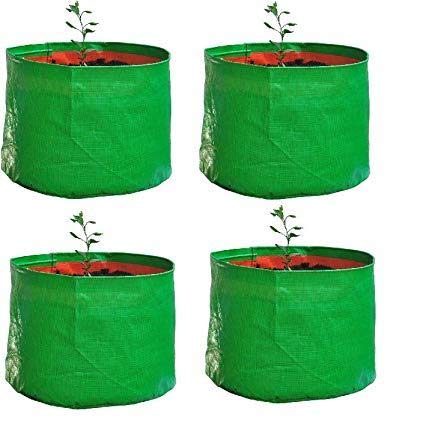

2. Potting Media
If we don’t want to opt for conventional Soil as potting medium, in that case there are many other options available in the market. Organic potting Soil mix are readily available. Soil less potting media will have no soil related diseases and pests.


Coco Peat mixed with compost, Perlite and Vermiculite is also a good potting mix.


3. Fertilisers
The Potting mix used will provide the initial nourishment to the plants. But in longer run the potting mix will be dried up of the essential nutrients. We can use the organic variants of fertilisers to fix this nutrient deficit.

4. Seeds
We can use organic seeds as well as heirloom seeds. Good quality of seeds ensure higher germination rate.


5. Watering Can/Pump:
Watering the plants timely is also necessary in order to ensure proper absorption of nutrients. Watering cans or pumps can be used to water plants efficiently.

6. Trowels
Handy tool to dig up compact soil and loosen it up for proper aeration. Makes digging process easier and fast.

7. Gloves:
Gloves help protect our hands from thorns or other sharp plant parts. Also helps in keeping your nails hygienic and clean from dirt.

8. Pruners:
Pruners are sharper then scissors. Useful in cutting dead foliage and pruning plants timely. Pruning is necessary in ensuring desired growth of the plants.

9. Bio-Pesticide:
When the pests barge in to our gardens we don’t have any options left instead of using pesticides. Neem oil is the best naturally available organic pesticide. It can be sprayed over the plants or mixed with the soil.

10. Creeper/Climber Support:
Sticks and threads can be used to make support structures for creepers and climbers.

11. Drip Irrigation Kit:
We can go an extra mile for our terrace garden by opting for water conservation techniques. Easy to use drip irrigation kits are available in the market.

There can be more terrace garden essentials in addition to this list, but these are the most basic ones to get started.
Terrace Garden FAQs
Which plants grow best in a terrace garden?
Herbs (tulsi, mint, coriander), leafy greens, tomatoes, chillies, brinjal, okra and flowering plants like marigold do well in containers and need only moderate depth.
Is it safe to grow plants on a terrace?
Yes, if you spread the weight, use lightweight potting media and keep planters raised so water drains away. If you plan a large garden with raised beds, have a structural engineer check the roof first.
How can I make my terrace garden more sustainable?
Choose clay or fabric containers over plastic, make your own compost, use organic seeds and bio-pesticides like neem oil, and save water with drip irrigation.
Pingback: Soil less gardening | Prakati
drashishasthana@gmail.com
drashishasthana@gmail.com
want to know more about you
n availibility
ashish