
Over the course of this series we have walked from the basics of what carbon accounting is through building an inventory, choosing tools, preparing for audits, and looking at how real businesses put the numbers to work. To close it out, it is worth looking forward: what does the future of carbon accounting actually look like, and what should a business preparing its climate strategy today expect to change in the next few years?
From Annual Snapshots to Continuous Measurement
The dominant model of carbon accounting today is still largely retrospective — a business closes its financial year, then spends weeks or months afterward reconstructing an emissions inventory from twelve months of bills and receipts. That is starting to shift toward continuous, near-real-time measurement, where utility data, fuel purchases, and supplier disclosures feed into a live dashboard rather than an annual report built long after the fact. This mirrors what happened to financial accounting a generation ago, and it means businesses that build clean, well-documented data pipelines now — rather than annual scrambles — will be far better positioned as reporting cycles compress.
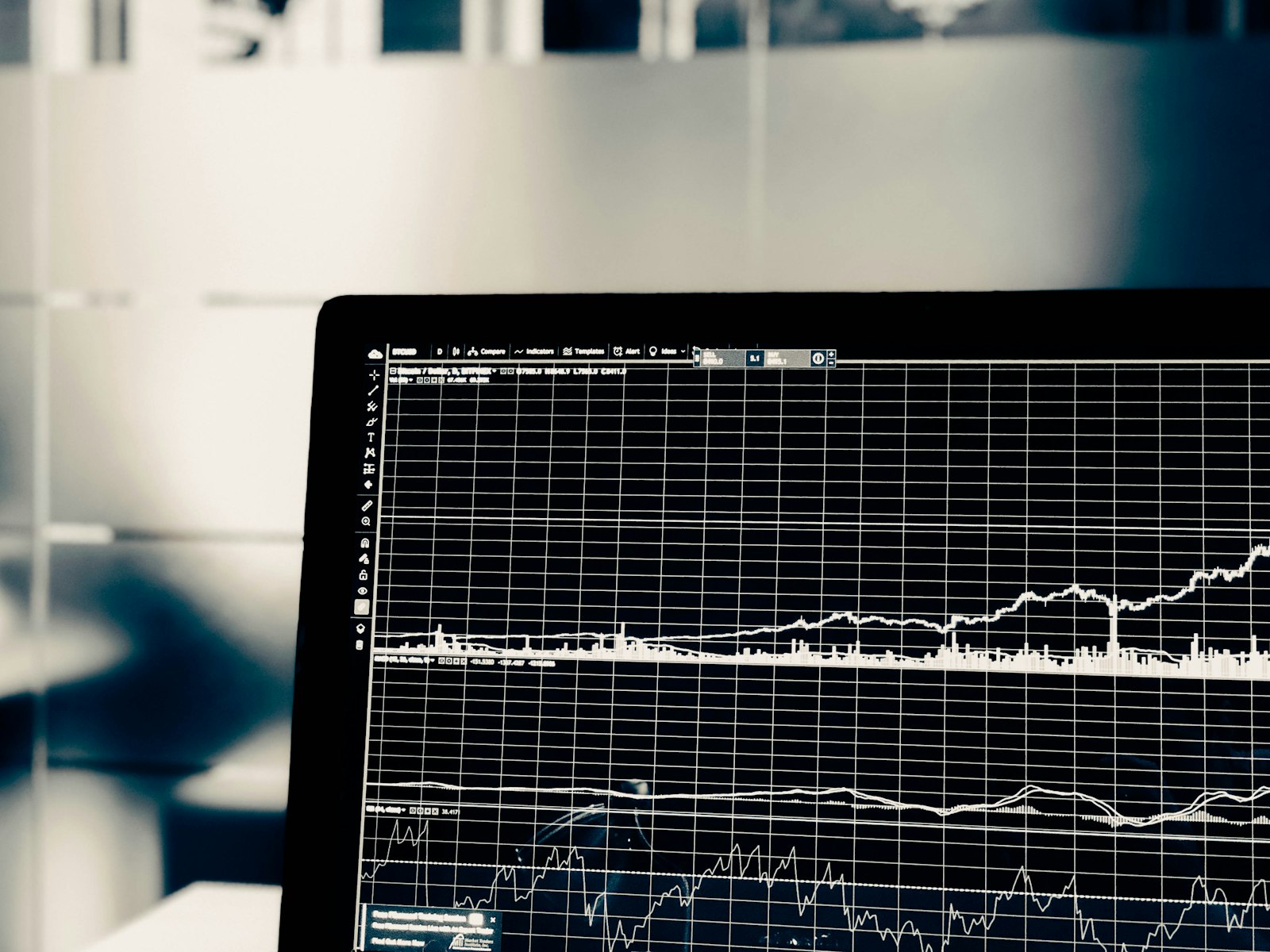
Real-time visibility also changes how quickly a business can respond. A compressor running inefficiently overnight, or a supplier shift that quietly raises embedded emissions, becomes visible in weeks rather than showing up as an unexplained spike a year later — much closer to how the real-world examples in this series were able to catch and fix hidden emissions sources.
AI Will Handle the Grunt Work, Not the Judgement
The most immediate change already underway is automation of the tedious parts of carbon accounting: extracting activity data from PDF invoices and utility bills, matching line items to the correct emission factor, and flagging anomalies that a human reviewer should look at twice. This does not remove the need for people who understand the underlying data — if anything, it raises the bar, because someone still has to check that an AI-extracted number is sensible, that emission factors are current, and that the resulting report can survive a carbon accounting audit. The businesses that benefit most from this shift will be the ones that already have clean, well-organised source records — automation amplifies good data discipline, it does not substitute for it.
Tighter Regulation Will Make Estimates Less Acceptable
Regulatory pressure is only going to increase the demand for precision. Mechanisms like the EU’s Carbon Border Adjustment Mechanism already require exporters to calculate and report embedded emissions in specific goods rather than relying on broad industry averages, and frameworks like India’s BRSR are steadily raising the bar on what counts as adequate Scope 3 disclosure. The direction of travel is unambiguous: generic emission factors and rough estimates that were acceptable a few years ago are being replaced by supplier-specific, verifiable data requirements. Businesses that start building genuine supplier relationships around carbon data now will face far less disruption when these requirements tighten further.
Carbon Data Will Show Up Outside the Sustainability Report
Perhaps the most interesting trend is where carbon data is starting to appear: not just in annual sustainability reports, but embedded directly into procurement decisions, product pricing, and even consumer-facing labels. As this series’ look at real-world carbon accounting examples showed, businesses are already using emissions data to make real estate and equipment decisions — expect that to expand into supplier scorecards, loan and insurance underwriting criteria, and product-level carbon labelling as measurement becomes cheaper and more standardised.

This interconnection is the real shift: carbon accounting is moving from being a standalone reporting exercise to becoming one more data layer woven through ordinary business decisions — closer to how financial data already touches nearly everything a company does.
What This Means for Businesses Starting Out Today
None of these trends should be intimidating for a business still early in its journey. The fundamentals covered throughout this series — building an honest carbon baseline, keeping traceable records, understanding your Scope 1, 2, and 3 boundaries — do not change just because the tools around them are getting smarter and the rules are getting stricter. If anything, the future of carbon accounting rewards businesses that treat good data habits as core operating practice today, because every trend above — automation, real-time tracking, tighter regulation — simply raises the value of data that is already accurate, traceable, and well understood.
Closing the Series
Carbon accounting will keep evolving — faster, more automated, more tightly regulated, and more deeply embedded in ordinary business decisions than it is today. But the businesses that will navigate that future most comfortably are the same ones that started simply: measuring honestly, documenting clearly, and letting the numbers guide real decisions rather than just filling out a report. That is the thread running through this entire series, from the first definition of carbon accounting to this look at where it is headed next.