
Forest and landscape restoration took centre stage when India addressed the 28th session of the FAO Committee on Forestry (COFO 28) in Rome. The session ran from 28 September to 2 October 2026, alongside the 10th World Forest Week. India used its statement to present its forest record and to set out what it expects from international cooperation.
India’s forest numbers at COFO 28
India told the committee that its forest and tree cover stands at 82.74 million hectares, or 25.17 per cent of its geographical area. It also cited the FAO Global Forest Resources Assessment 2025, which ranks India 9th in the world in forest area and 3rd in net annual forest area gain. However, the FAO assessment counts forest area, while India’s national figure also includes tree cover outside forests. The two numbers are therefore not directly comparable.
Forests also anchor India’s climate commitments. The statement said India has created an additional carbon sink of 2.29 billion tonnes of CO2 equivalent by 2021. It has raised its ambition to 3.5 to 4.0 billion tonnes by 2035, compared with 2005 levels.
Forest and landscape restoration commitments
Under the Bonn Challenge, India has committed to restore 26 million hectares of degraded and deforested land by 2030. According to the statement, 21.76 million hectares of that have already been brought under restoration.
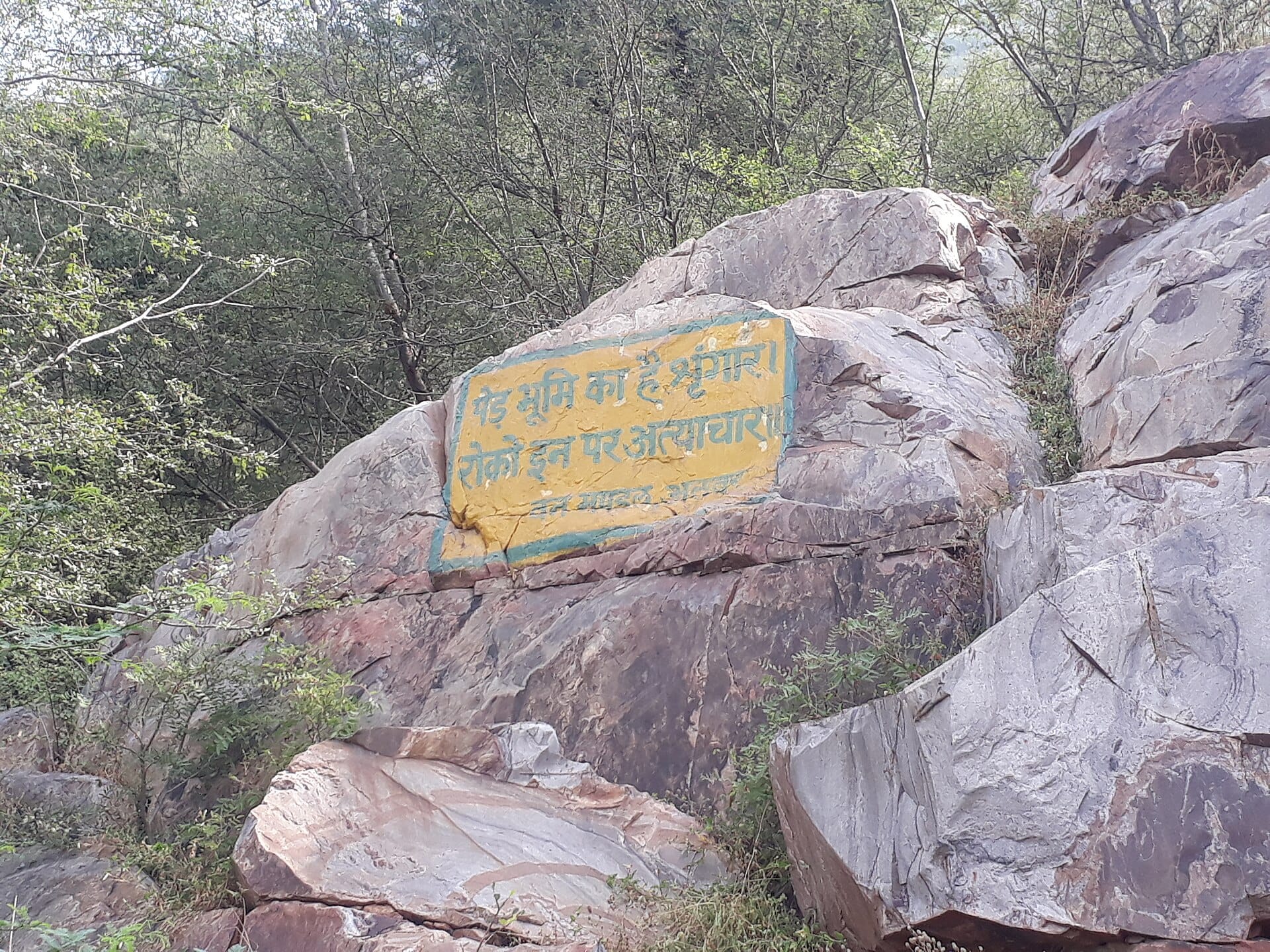
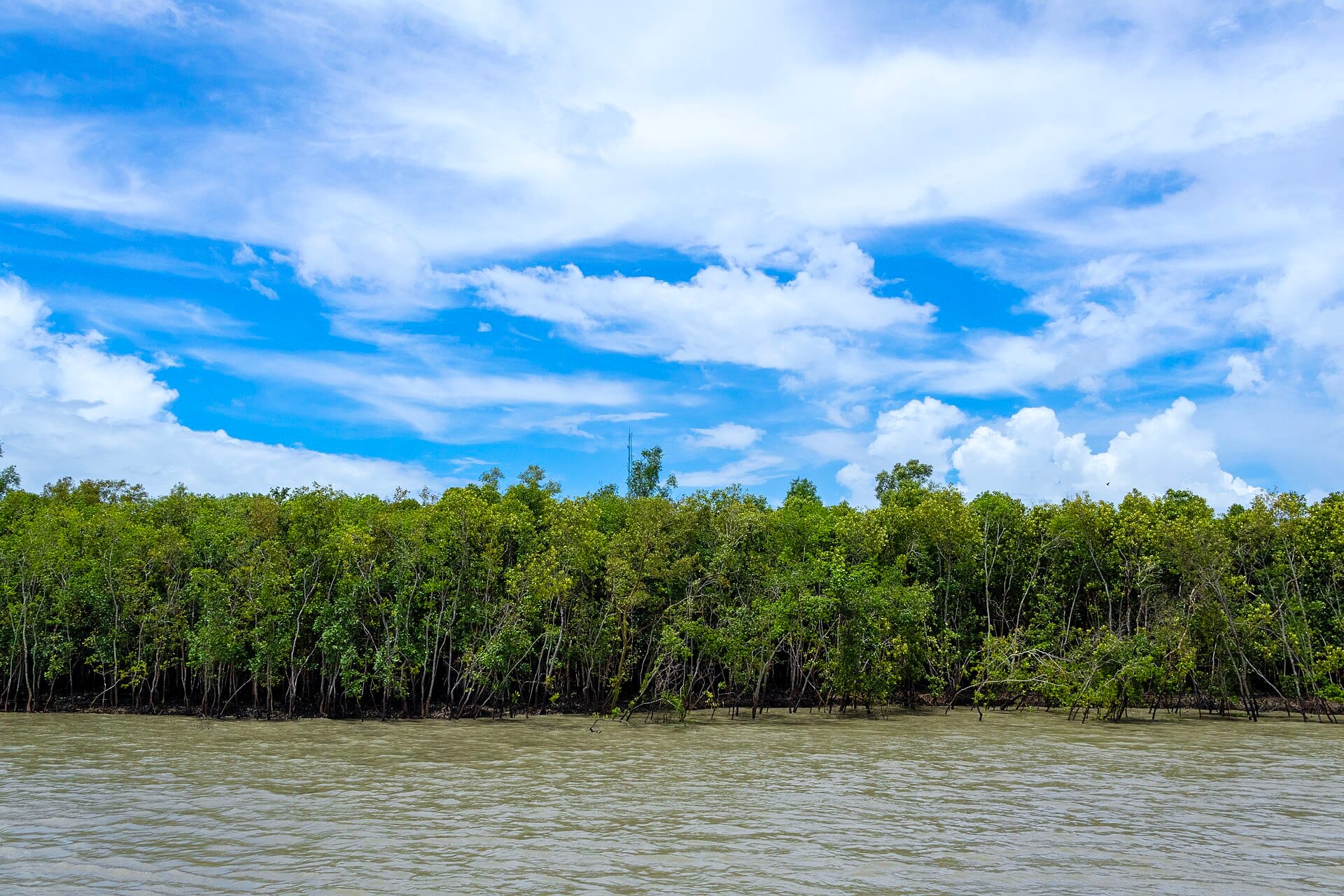
The Aravalli Green Wall is one of the major landscape programmes India showcased. Approximately 6.45 million hectares of degraded land have been identified there for restoration. On the coast, the MISHTI initiative is advancing mangrove restoration, while strengthening climate resilience and supporting local livelihoods.
India also noted that the number of Ramsar Sites in the country has reached 101. In addition, it showcased Ek Ped Maa Ke Naam (Plant4Mother), which it describes as a whole-of-government and whole-of-society initiative. More than 3.5 billion saplings have been planted under it, according to the statement.
What India asked of the international community
India said international cooperation must move beyond global commitments. It should support country-driven implementation, capacity development, technology transfer and measurable outcomes on the ground. The statement also stressed the need for effective and sustainable finance, particularly for developing countries. India encouraged FAO to strengthen support for accessing climate, biodiversity and blended finance, and for developing long-term restoration programmes.
Moreover, India called for stronger coherence between FAO’s forestry work, the Global Forest Goals and other forest-related international processes. It also asked for more South-South and triangular cooperation to share knowledge and scalable solutions. Finally, it reaffirmed its commitment to shaping the UN Decade for Afforestation and Reforestation (2027 to 2036), which the UN General Assembly proclaimed in 2025.
How to read the forest and landscape restoration numbers
Restoration counts show how much land is covered. They do not show how much of it becomes healthy forest. Survival rates, species choice and long-term care decide that, so the sapling figures deserve independent verification. Better monitoring helps here. Independent schemes point the same way, such as the first PRAMAAN certificates under the Indian Forest and Wood Certification Scheme. For more updates, browse our India sustainability news and our environment sustainability section.
Source: Press Information Bureau, Government of India (Ministry of Environment, Forest and Climate Change, 28 September 2026). Additional context from the FAO COFO 28 page. All figures are as stated by India. Images: Kingshuk Mondal (CC BY 4.0) and Pinakpani (CC BY-SA 4.0), via Wikimedia Commons.