
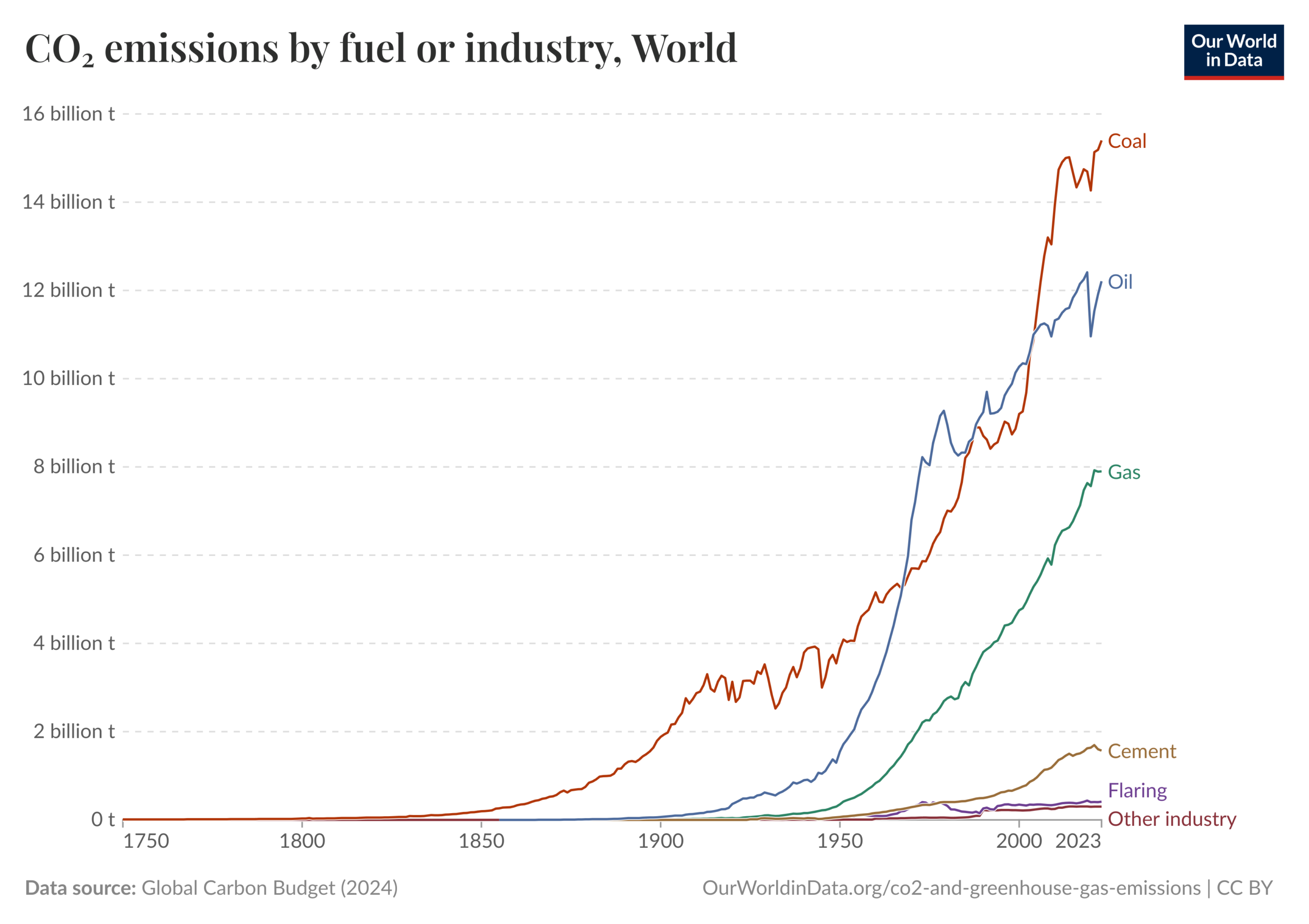
Starting a carbon-neutral business is no longer a niche ambition — it is fast becoming a market advantage. Customers increasingly choose brands that can demonstrate a low or zero carbon footprint. Investors are pricing climate risk into valuations. And regulators, particularly in export markets, are beginning to require emissions disclosures as a condition of doing business.
The good news is that some business models are structurally close to carbon-neutral from the outset — not because of expensive offsets, but because of what they make, how they make it, and where they source from. These are the ideas worth building on if you want to grow fast without growing your footprint.
What Makes a Business Genuinely Carbon-Neutral?
A business is carbon-neutral when its net greenhouse gas emissions are zero — either because it produces very little in the first place, or because it offsets what it does produce. The most scalable path is the first: design the business model so that carbon intensity is low at the core, before any offsets are added on top.
Key levers include: using renewable energy, sourcing materials locally or from suppliers with low embedded carbon, choosing logistics partners with electric or low-emission fleets, and designing for durability (products that last longer emit less per year of use). None of these require you to be a large company. Several of the fastest-growing green businesses in India today started with exactly this logic.
Business Ideas With Strong Carbon-Neutral Potential
1. Natural or Plant-Based Packaging
Single-use plastic packaging is one of the most visible carbon and waste problems in the supply chain. Businesses making alternatives — areca leaf plates, bamboo packaging, seaweed-based wraps, moulded pulp trays — replace a high-carbon material with one that is either carbon-sequestering (bamboo grows back in months, absorbing CO₂ as it does) or carbon-neutral over its lifecycle.
Shree Impex, listed in the Prakati Green Directory, is a strong example: their areca palm leaf tableware — plates, bowls, and trays made from naturally shed leaves — replaces disposable plastic across restaurants, caterers, and households. The raw material requires no cutting or cultivation, and the product is fully compostable. This is a model that scales with demand because the supply chain is simple, the raw material is agricultural waste, and the end-of-life is zero-impact.
2. Solar Energy Services for Small Businesses and Homes
India’s rooftop solar opportunity is enormous and still largely untapped. A business that installs, finances, or maintains solar systems — particularly for Tier 2 and Tier 3 cities where grid reliability is low — is directly enabling carbon reduction at scale. The installation itself has a modest carbon cost that is typically paid back within 2–3 years of clean power generation.
The scaling logic is powerful: every installation is a recurring revenue opportunity (maintenance contracts, monitoring subscriptions), the policy environment is supportive (PM Surya Ghar, net metering regulations), and the customer is increasingly cost-motivated, not just sustainability-motivated.
3. Organic and Regenerative Food Brands
Industrial agriculture is one of the largest contributors to global emissions. Food brands built on organic, regenerative, or low-input farming practices emit significantly less per kilogram of food produced — and in the case of regenerative farming, can actually sequester carbon in the soil.
The Indian organic food market is growing at over 20% annually, driven by urban consumers willing to pay a premium for verified organic products. A brand that works directly with organic farmer clusters, bypasses intermediaries, and builds short supply chains has both a lower carbon footprint and a stronger margin structure than one that sources through conventional aggregators.
4. Upcycled or Zero-Waste Craft Businesses
Businesses built on material streams that would otherwise go to waste — deadstock fabric, industrial offcuts, reclaimed wood, post-consumer plastic — have a structural carbon advantage: they avoid the extraction and processing emissions that new materials carry. The raw material cost is also typically lower than virgin alternatives, improving margins even as the environmental story improves.
This model scales well for direct-to-consumer brands with a strong design identity, where the story of the material is part of the product’s appeal. Trad Collective in Leeds, featured in the Prakati Green Directory, is built on exactly this model — in-house upcycled clothing production combined with alteration services and a clothing rental offering, all designed to extend garment life and reduce textile waste.
5. Carbon Advisory and Reporting Services for SMEs
There is a significant and growing gap between the regulatory requirement to report carbon emissions (BRSR, CBAM, supply-chain due diligence requests from large buyers) and the capacity of India’s 63 million MSMEs to actually do it. Advisories that help small businesses build emissions inventories, set targets, and produce audit-ready reports are themselves low-carbon services — primarily knowledge and analysis work — with strong demand tailwinds.
This is a business that scales through expertise and tools, not physical infrastructure — making it inherently low-carbon by design, and accessible to founders with finance, engineering, or sustainability backgrounds who want to build a service practice rather than a product company.
The Scaling Advantage of Carbon-Neutral Models
What makes carbon-neutral businesses scale fast is not just the environmental story — it is the structural advantages that often come with it. Lower input costs (waste materials are cheap), growing regulatory tailwinds (carbon reporting requirements are expanding, not contracting), and a customer base that is broadening from early adopters to mainstream buyers across urban India.
The businesses in this list share a common feature: their sustainability is baked into the operating model, not bolted on as a marketing layer. That is the difference between a carbon-neutral business and a conventional business that buys offsets and calls itself neutral.
If you are building your emissions baseline before starting — or want to understand how to account for your carbon footprint from day one — our step-by-step guide to building an emissions inventory is a practical starting point.