
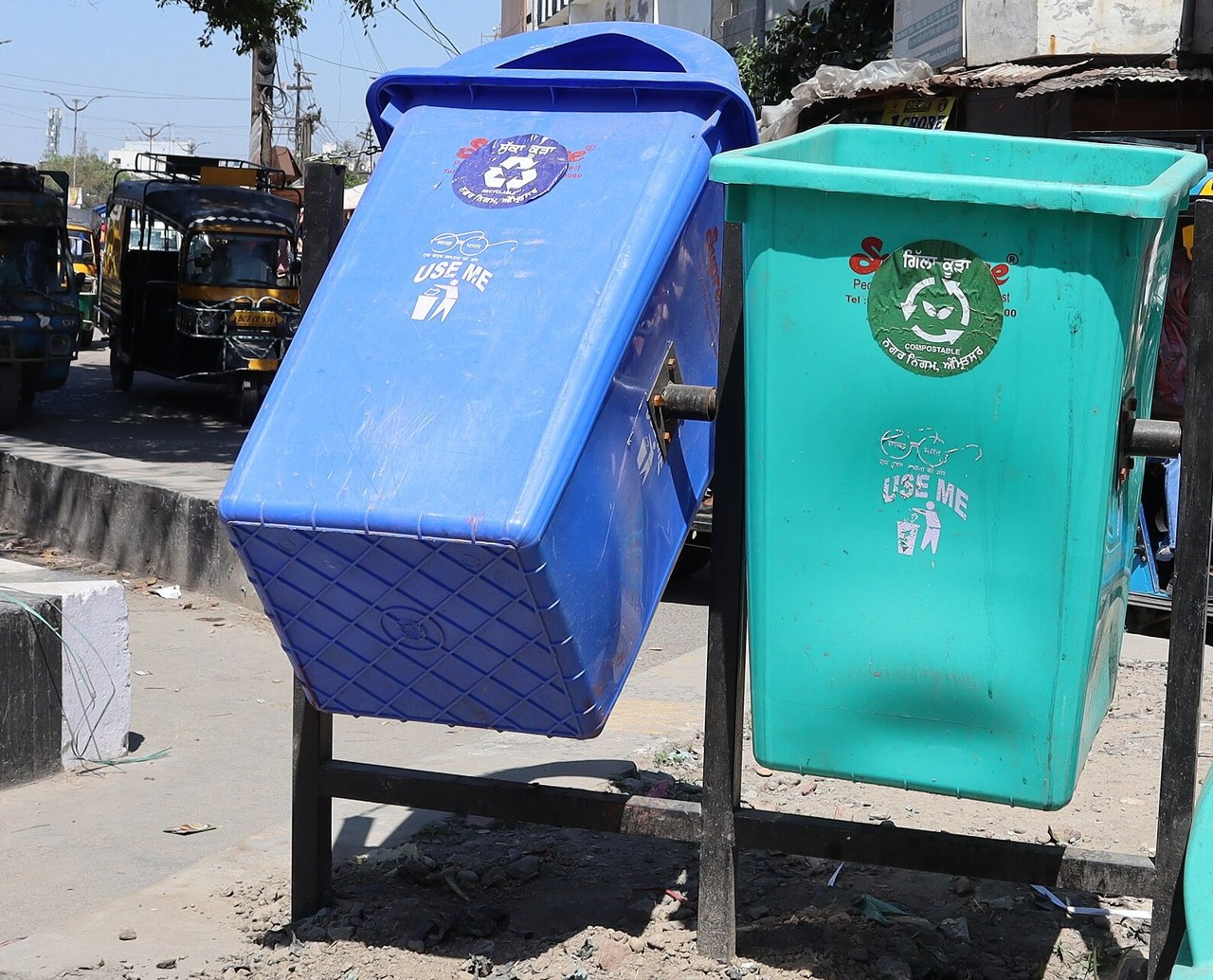
Should a city compost, burn its waste for power or send it to a landfill? The answer depends on more than cost. A solid waste management GHG calculator developed for Indian cities was reviewed on 16 September 2026 by Principal Scientific Adviser Prof. Ajay Kumar Sood, as PIB reported on 17 September.
The solid waste management GHG calculator: what was built
The project, “Development of LCA Framework for Solid Waste Management (SWM) Technologies in India”, was supported by the Office of the Principal Scientific Adviser from 2024 and carried out by IISc Bengaluru, IIT Madras and IIT (BHU) Varanasi. It pairs a life cycle assessment (LCA) framework with a web-based greenhouse gas calculator, aligned with national missions such as the Waste to Wealth Mission and the Swachh Bharat Mission-Urban. Case studies drew on Bengaluru, Mysuru, Tumakuru, Chennai, Delhi and Varanasi.
What the app does
The tool is designed for urban local bodies. It analyses emissions from current waste practices and lets cities compare alternatives such as anaerobic digestion, incineration for energy, composting, recycling and landfilling. It reports net, avoided and logistics emissions, the carbon footprint and individual gases including methane, carbon dioxide, nitrogen oxides and black carbon. It can also be used to assess new projects and detailed project reports, and to fill in the environmental performance metrics that tenders require.
Why it matters
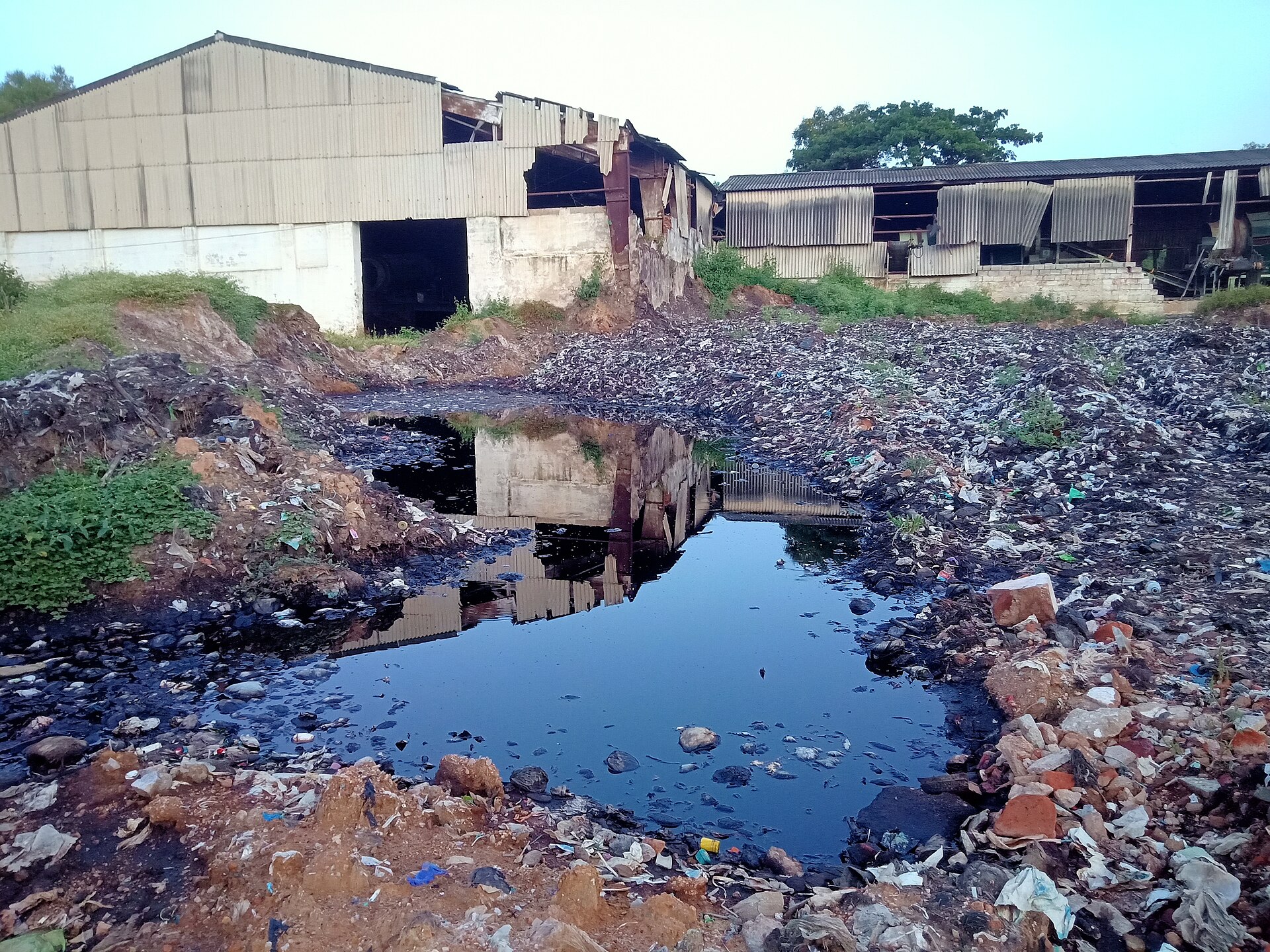
Waste is a major source of methane, and choices made in a city office lock in emissions for years. A common, India-specific yardstick helps cities weigh options on evidence rather than vendor claims. The project also proposes strategic recommendations and a national roadmap for low-emission, climate-resilient waste management.
For households, the same logic starts at home with segregation and home composting. At city scale, our reporting on a garbage mountain turned into a forest and the biogas pioneer honoured with a stamp shows what the better end of the waste hierarchy looks like. More coverage sits under waste management.
The catch
Tools need adoption. Scientific Secretary Dr Parvinder Maini stressed the need for institutional mechanisms to support wider implementation across the country. A calculator is only useful if cities run it before they sign contracts.
Read the full report
The full report, prepared by IISc Bangalore, IIT Madras and IIT (BHU) Varanasi, is a public government document. We host a copy for easy reference.