
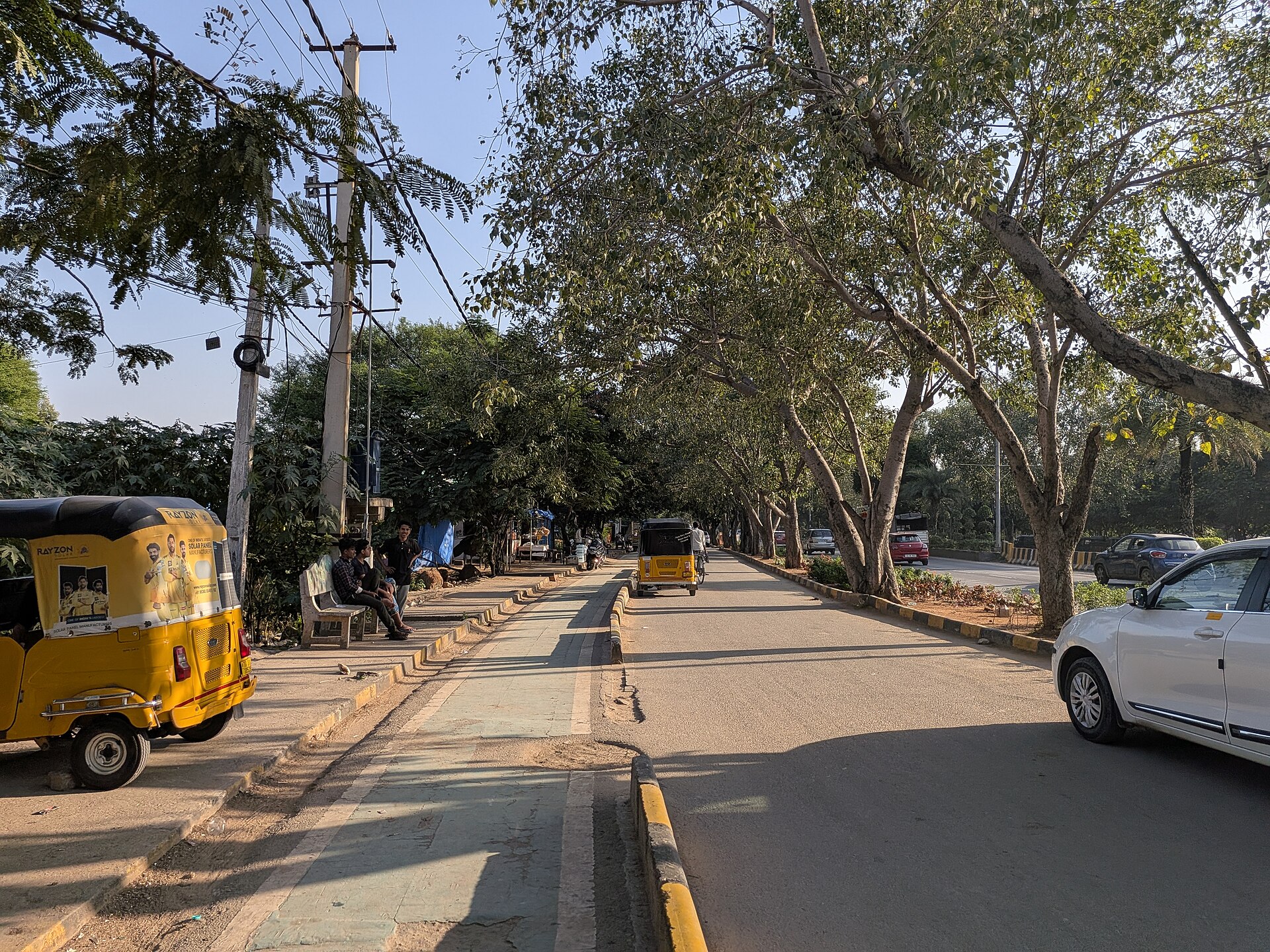
Climate summits are usually about megawatts, finance and negotiating text. At COP31 this month, India used an hour at the International Solar Alliance Pavilion to make a simpler argument: the climate fight is also won on ordinary streets, and Sundays on Cycle shows how a free weekly ride can become a way of life.
What Sundays on Cycle presented at COP31
The session, “Sundays on Cycle: From a Weekly Ride to a Way of Life”, was led by the Fit India Movement of the Ministry of Youth Affairs and Sports and framed as a working example of Mission LiFE, India’s campaign for sustainable living. Sundays on Cycle is a free community ride held every Sunday since 22 December 2024. According to Sports Authority of India deputy director general Mayank Srivastava, it has not missed a single Sunday, and participation has reached close to 3.7 million across more than 30,000 locations. On World Bicycle Day this year organisers planned for 100,000 riders and about 400,000 turned up.
Why a weekly ride matters for climate
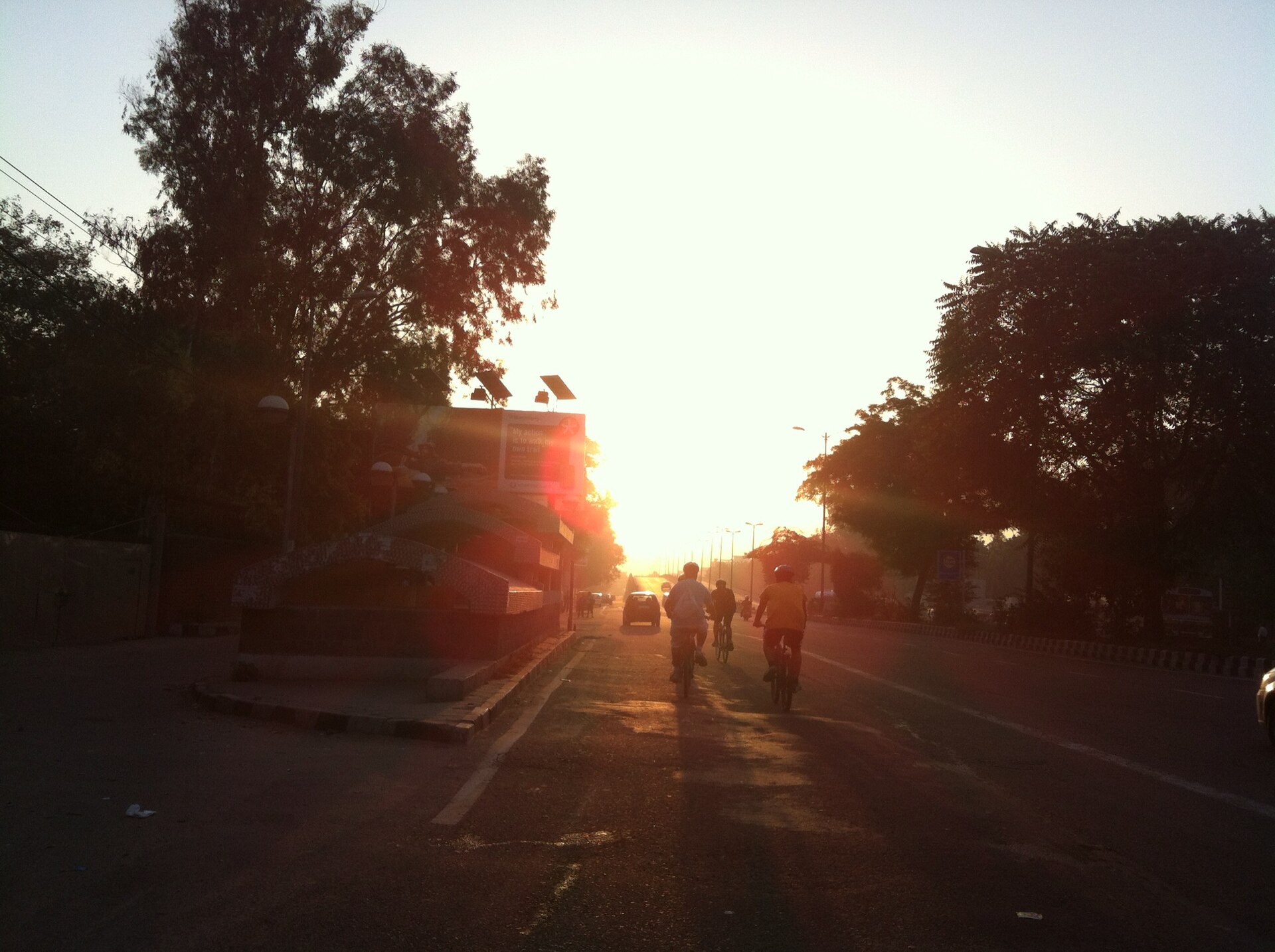
Srivastava’s argument was about timing. Many cities in the Global South are still being built, and most trips there are short enough to cycle. If cycling becomes a habit before car dependence sets in, he said, those emissions never need to be produced, and avoiding them is far cheaper than removing them later. He also made the point that a bicycle lane only works if citizens choose to use it: infrastructure alone does not change how people live.
The keynote speaker from UN Climate Change’s Global Climate Action team, Lindita Xhaferi-Salihu, called Fit India a model that can be replicated elsewhere and described sport as the “connective tissue” that brings people into a technically dense climate conversation. A panel then asked whether a weekend ride can change how cities are built. The summit has been in focus on prakati.in since our look at India’s pre-COP31 position.
The Prakati take
Numbers like 3.7 million participants are self-reported by organisers and measure turnout, not emissions avoided; the release does not claim a carbon figure. Still, the lesson is a useful one for anyone building sustainable habits: a weekly, free, low-barrier ritual with a community around it tends to outlast a one-off campaign. It also fits the wider push for sustainable transport, and a Sunday ride is something any reader can try this weekend. Looking for a bike? See our list of the best cycles.