
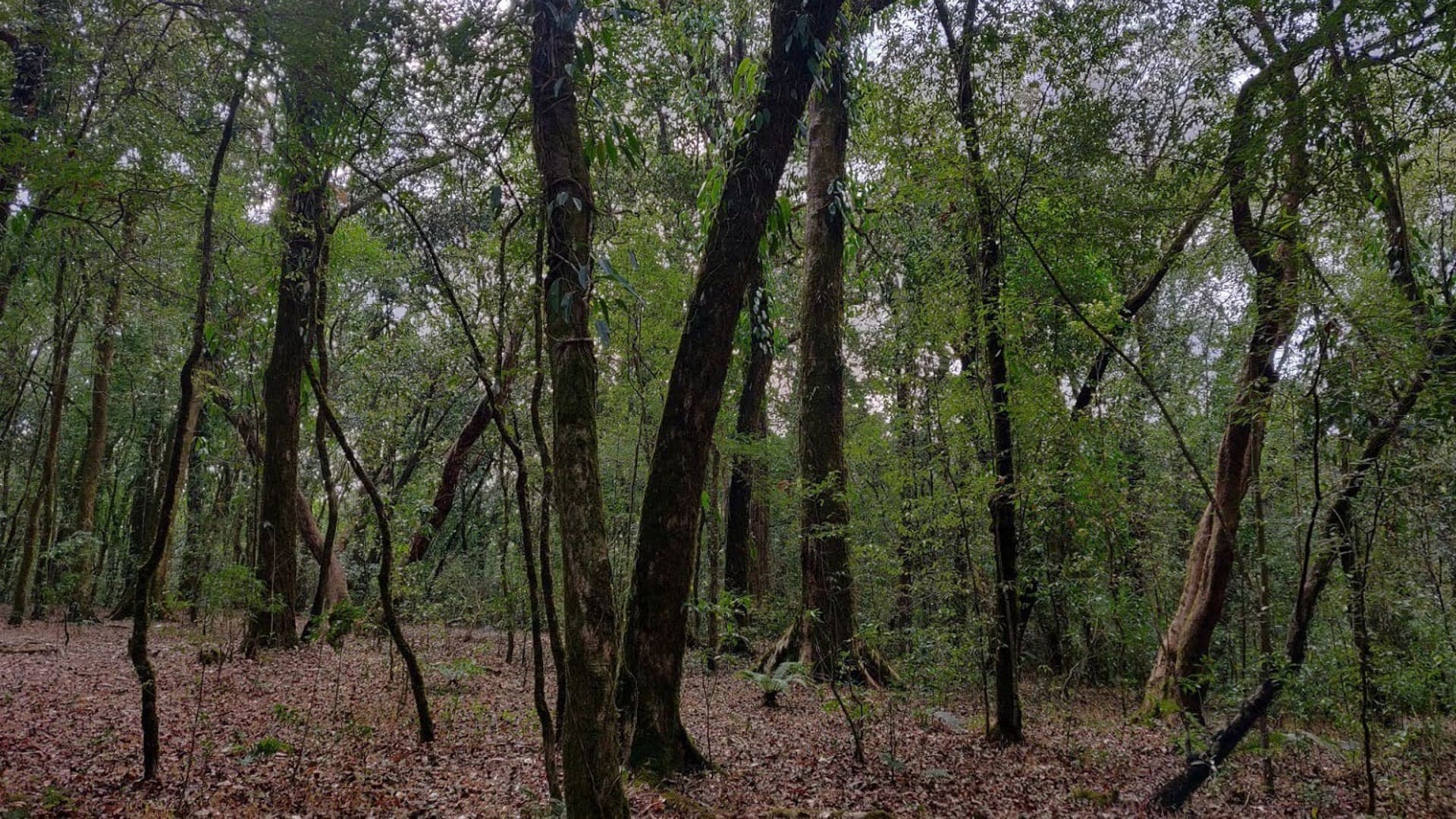
Not every acre that protects nature is a national park. Sacred groves kept by villages for centuries, community-run irrigation tanks, and seagrass meadows off the coast all shelter wildlife without a fence or a forest guard. On 3 November, at a side event of the 17th Conference of the Parties to the Convention on Biological Diversity (CBD COP-17) in Yerevan, Union Environment Minister Bhupender Yadav released the India OECM guidelines, formally titled “Guidelines for the designation of India’s Other Effective Area-Based Conservation Measures (I-OECMs) 2026”, to give such places formal recognition.
What the India OECM guidelines define
An OECM is an area outside legally protected areas that delivers lasting, positive outcomes for in-situ biodiversity conservation. The guidelines, prepared by MoEFCC with the National Biodiversity Authority (NBA), support India’s work toward Target 3 (30×30) of the Kunming-Montreal Global Biodiversity Framework, protecting 30 per cent of land and sea by 2030. Illustrative sites include biodiversity parks, sacred groves, community-managed tanks, seagrass and seaweed beds, and fisheries seasonal ban areas, across land, inland water, coast and sea.
How recognition works
Four criteria are mandatory: the area is not already protected; it is governed by government frameworks or recognised local bodies such as Panchayats and Biodiversity Management Committees; it has defined boundaries; and it does not overlap sites already reported to the World Database on Protected Areas. Applications go to NBA, then to the State Biodiversity Board within 30 days, back to NBA within another 30, with final recognition authorised by MoEFCC. Each site needs a monitoring framework reviewed at least every five years.
Recognition does not make an area a protected area, and does not change ownership, governance or legal status, a point likely to reassure communities.
Money and a pilot
A GEF-8 project, executed by NBA and MoEFCC with UNDP support, will apply the guidelines in six demonstration landscapes and seascapes. It runs from 15 May 2026 to 15 May 2032 with total financing of USD 60.79 million, of which USD 6.65 million is a GEF grant and USD 54.14 million co-financing.
Why it matters for 30×30
Protected areas alone cannot reach 30×30 in a densely populated country. Counting community-managed land and water is a practical route, provided recognition brings real management and monitoring rather than a label. Watch how many sites apply in the first year. Local knowledge already feeds conservation, as our look at People’s Biodiversity Registers shows. Explore more on environment sustainability and in India sustainability news.