
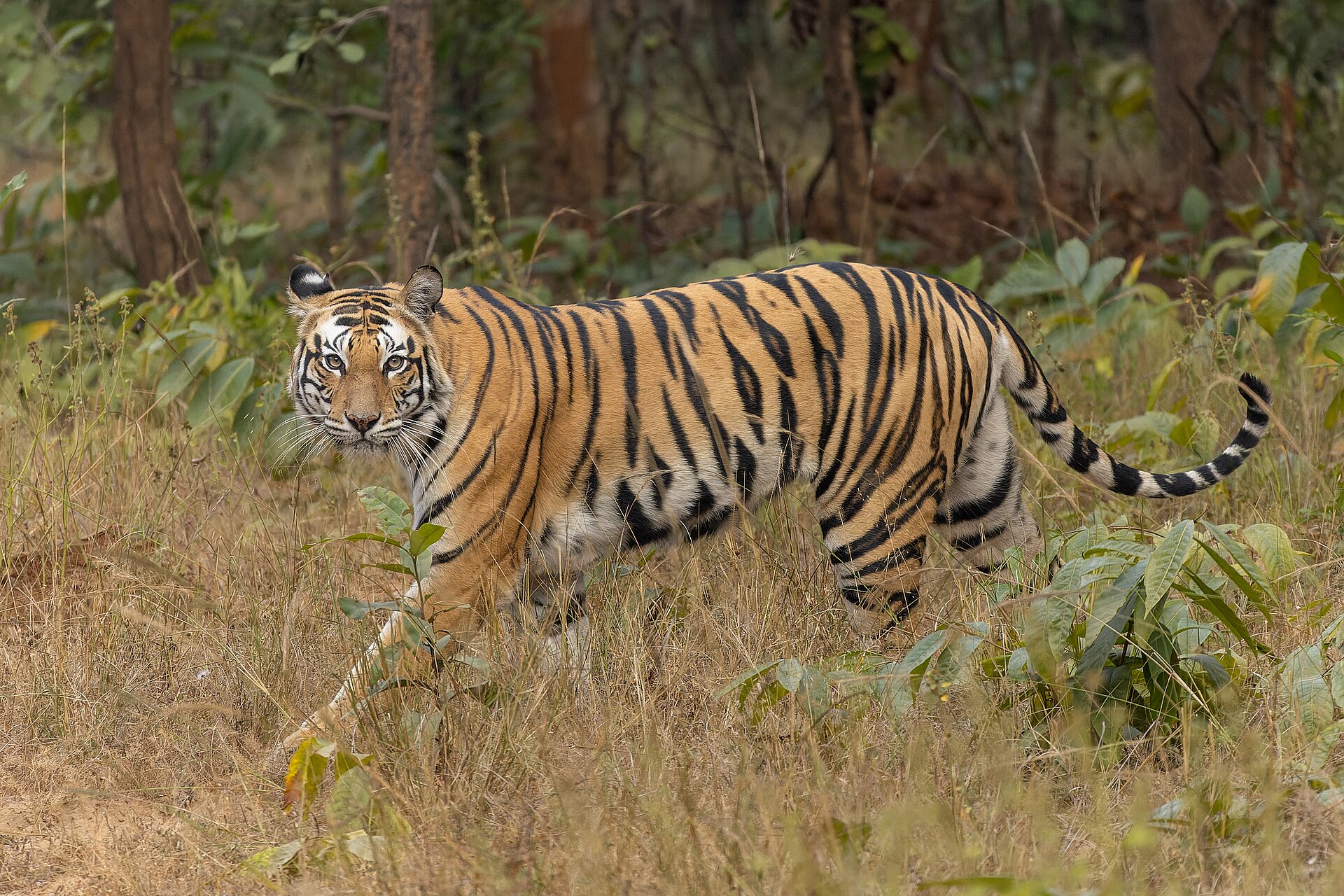
On 12 October, Environment Minister Bhupender Yadav inaugurated the new office of the International Big Cat Alliance (IBCA) at 55 Lodhi Estate, New Delhi. The ceremony drew heads of sister alliances (International Solar Alliance, Global Biofuels Alliance, Coalition for Disaster Resilient Infrastructure) and representatives of the UN, World Bank, UNEP, FAO, WWF and IUCN, a sign of how India is positioning Delhi as a hub for global environmental bodies.
What the International Big Cat Alliance is
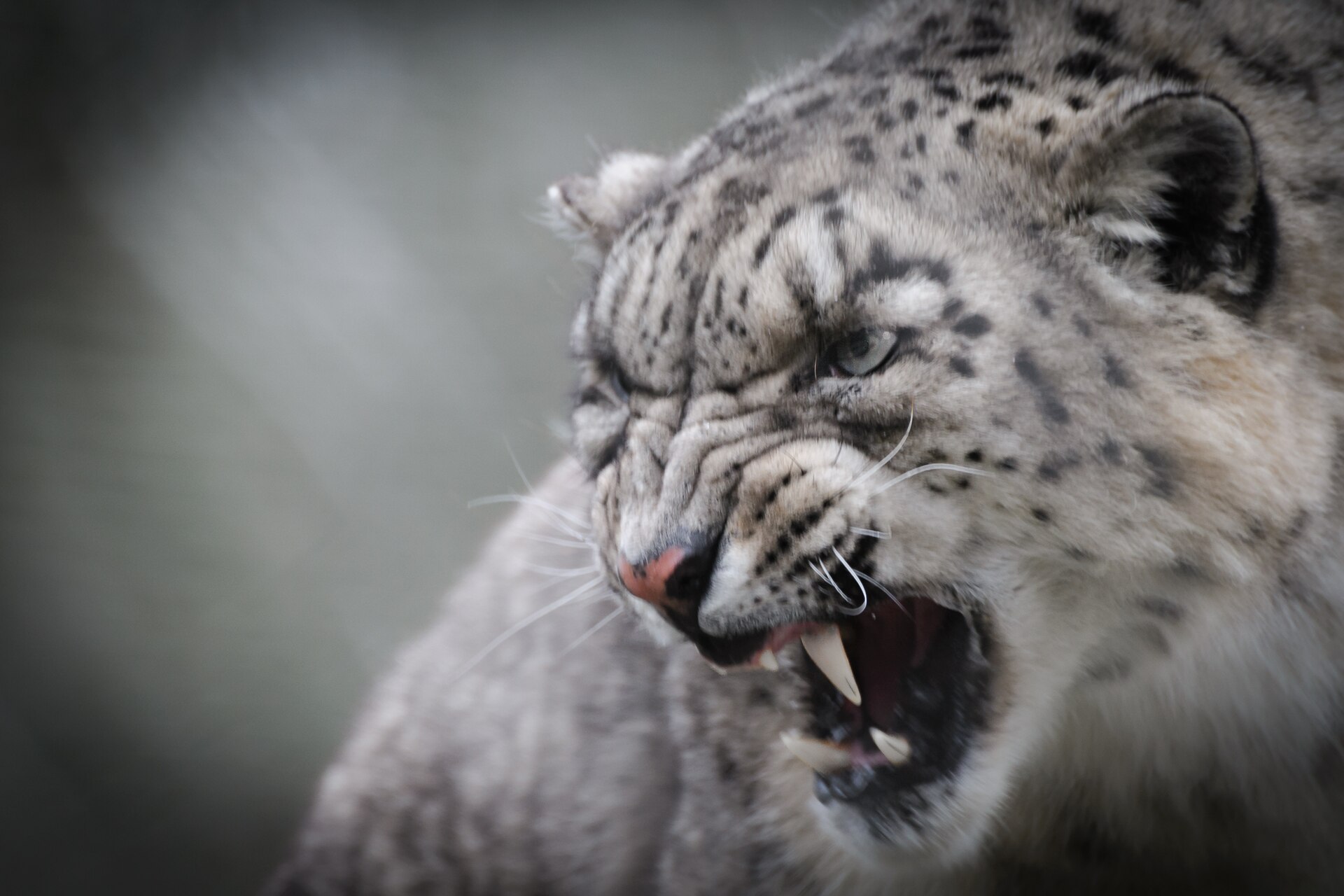
IBCA is a treaty-based intergovernmental organisation headquartered in India, created for the conservation of seven big cats: lion, tiger, leopard, snow leopard, cheetah, jaguar and puma. India has pledged an initial Rs 150 crore for five years (2023-24 to 2027-28). According to PIB, 29 countries are members, 5 are observers and 11 more have consented to join.
Two and a half years in
Milestones PIB lists: two ITEC-sponsored capacity-building programmes for foreign participants; a PRIME cat-health programme for veterinarians from 20 countries; participation at CITES COP, UNFCCC COP and the CITES Standing Committee; plus webinars and a global photography competition.
Why it matters
Big cats are apex species whose survival depends on intact forests, grasslands and prey. Range countries face similar problems (habitat loss, human-wildlife conflict, poaching) and shared training and knowledge exchange is cheap relative to the benefit. India’s own record, such as its tiger population recovery, gives it credibility, though IBCA will be judged on field outcomes, not offices. A permanent headquarters is a step toward the institutional stability it needs.
To see the alliance at work, read about the IBCA-ADB tiger financing deal, India’s snow leopard science, and the tigress returning to Buxa. Follow more India sustainability news on Prakati.
Source: Press Information Bureau, Government of India (Ministry of Environment, Forest and Climate Change, 12 October 2026). Images: Bengal tiger by Tisha Mukherjee (CC BY-SA 4.0) and snow leopard by Greg Townsend (CC BY-SA 4.0), via Wikimedia Commons.