
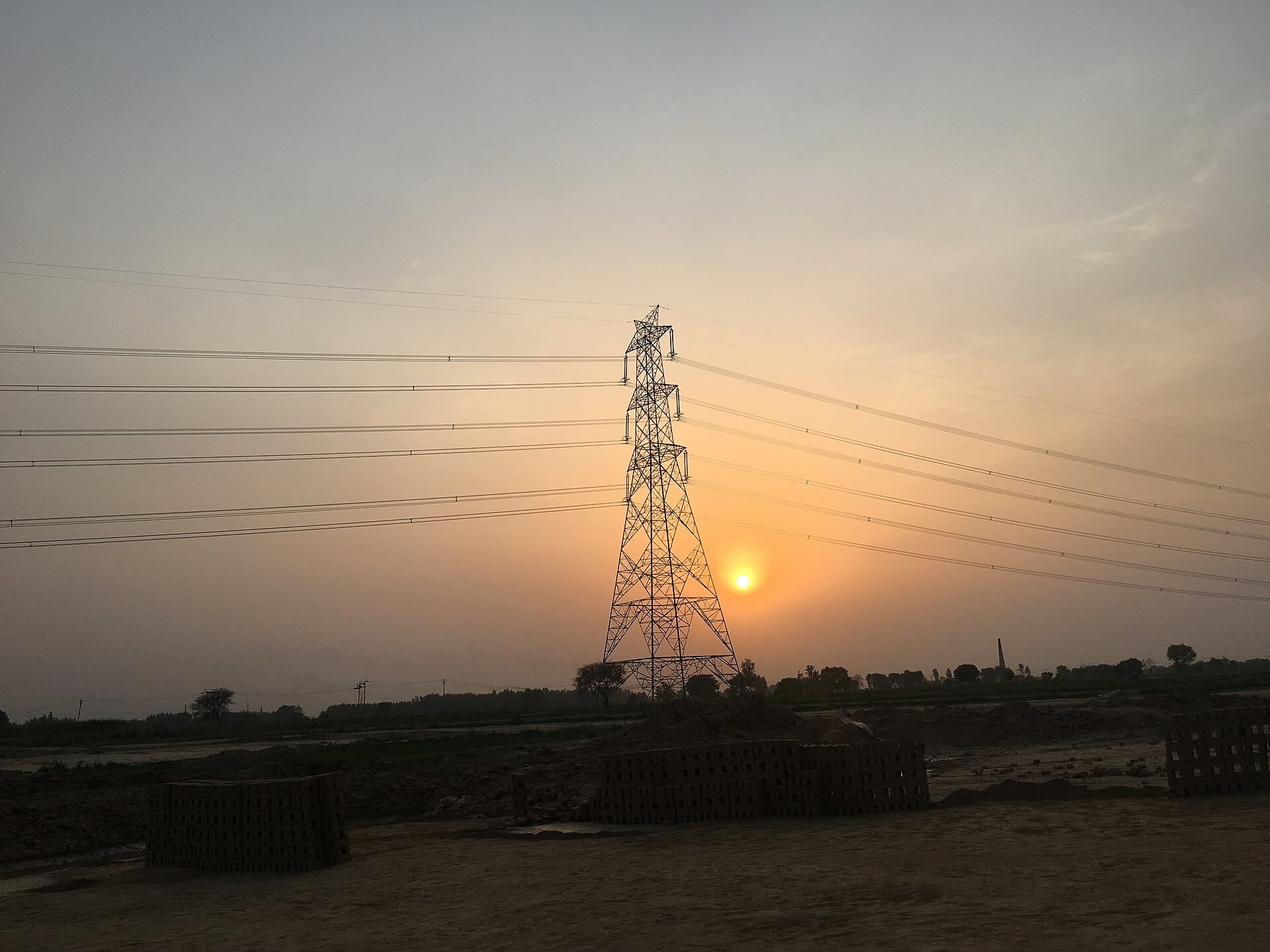
Green Energy Corridor Phase-III is India’s biggest bet yet on the wires and batteries behind its clean power. On 30 September 2026, the Union Cabinet approved the scheme with a total outlay of Rs 1,86,405 crore. India has plenty of sun and wind. However, it has often lacked the grid to carry that power from where it is made to where it is used.
What Green Energy Corridor Phase-III will build
The scheme, known as GEC-III, will strengthen the intra-state transmission systems of states and Union Territories. As a result, they will be able to evacuate up to 135 GW of renewable energy. Alongside the lines and substations, it funds 50 GWh of battery energy storage systems (BESS). The target is completion by FY 2032-33.
The money is split in two. Rs 1,36,378 crore goes to intra-state transmission, and Rs 50,000 crore goes to battery storage. The Centre will provide Rs 54,082 crore of financial support. According to the government, this will offset intra-state transmission charges and keep power costs down for consumers. Industry reports add that the plan covers about 51,126 circuit kilometres of new lines.
On delivery, all greenfield projects will be awarded through tariff-based competitive bidding. Private transmission service providers will build, own, operate and maintain them. Brownfield upgrades will run on a cost-plus basis. State transmission utilities are the overall implementing agencies.
Why wires matter as much as panels
Transmission is the unglamorous layer of the energy transition, yet it decides whether new capacity actually helps. The Green Energy Corridor began in 2015-16 with a first phase for eight states, and a second phase was approved in 2022. The new phase is far larger in scope.
The cost of delay is already visible. Government data reported in the press show that India curtailed about 8,133 GWh of solar power between April and June 2026, partly because of transmission constraints and grid-security needs. Clean power that is built but not delivered is a wasted investment, both financially and climatically.
Battery storage: the other half of the plan
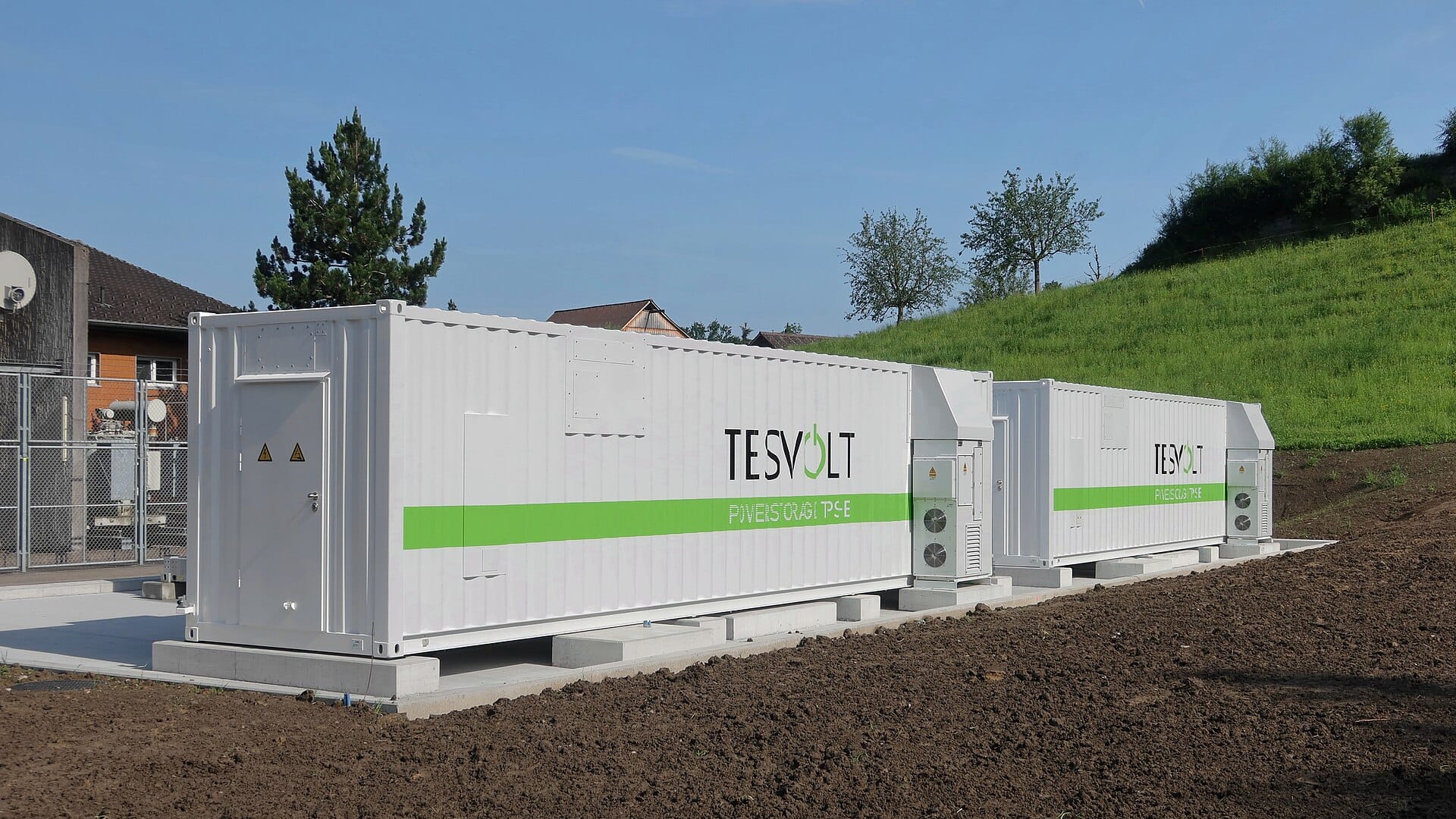
The 50 GWh of battery storage targets a familiar problem. Solar output peaks at noon, but demand peaks in the evening. The scheme explicitly aims at intermittency, congestion, peak-hour curtailment and non-solar-hour demand. Storage can sit with generators or at any other location important for grid flexibility. As a result, midday surplus can be stored and released after sunset, so the grid can take more solar without leaning on coal at night.
Reports also mention about Rs 6,000 crore of viability gap funding for storage within the central support. Overall, the batteries are priced at Rs 50,000 crore, which shows how seriously the government now treats storage as grid infrastructure rather than an add-on.
How the Green Energy Corridor fits India’s clean energy targets
The government links the scheme to its goal of 900 GW of installed non-fossil capacity by 2035. It also points to energy security and a lower carbon footprint. In addition, the scheme should create jobs in transmission construction, equipment manufacturing, battery deployment and long-term grid operations. For context on the build-out so far, see how India’s renewable energy capacity has grown nearly fourfold since 2014. Our explainer on wind energy in India also shows how generation is concentrated in a few states, which is exactly why strong transmission matters.
What to watch next
Transmission projects in India have often slipped on land acquisition, right-of-way and state-level approvals. Therefore, how quickly states award and commission GEC-III projects will matter most. So will whether storage is sited where curtailment actually occurs. Newer demand centres such as farm-side solar, including the agrivoltaics component planned under PM-KUSUM, will need the same grid. Meanwhile, you can explore more clean energy and India sustainability news on Prakati.
The takeaway is simple. The next leg of India’s renewable story is as much about wires and batteries as it is about solar farms.
Source: Press Information Bureau, Government of India (Union Cabinet, 30 September 2026). Additional context from SolarQuarter and Energetica India. Images: Rashid Jorvee (CC BY-SA 4.0) and Kecko (CC BY 2.0), via Wikimedia Commons.