
Odisha rarely tops the list when people plan a nature holiday in India—Kerala and the Himalayas usually get there first. But the state is quietly home to one of the country’s most complete ecotourism landscapes: a UNESCO-listed biosphere reserve, India’s largest brackish water lagoon, a mangrove forest sheltering saltwater crocodiles, and a string of community-run nature camps that put local villagers, not hotel chains, at the centre of the experience.
Under the state’s amended Tourism Policy 2026, Odisha has expanded its Special Tourism Zones to include Similipal and Bhitarkanika, with capital subsidies of up to 50% for projects that adopt solar power, electric vehicles, rainwater harvesting, and waste management. That policy push, paired with over a decade of community-based eco-retreats, is what makes Odisha worth a closer look for anyone searching for genuine, low-impact sustainable tourism in India.
Why Odisha Works as an Ecotourism Model
Odisha’s Ecotourism Policy dates back to 2013, but the state’s real advantage is geography: a 480 km coastline, dense Eastern Ghats forest cover, and river systems that together support an unusual range of habitats in a relatively small area. Rather than build large resorts inside these zones, the state’s approach has leaned on nature camps run with local community participation—visitors stay in modest eco-cottages, hire local boatmen and guides, and eat food sourced from nearby villages. The Odisha Skill Development Authority has also folded agri-tourism and ecotourism training into its courses, which is slowly building a local workforce around conservation rather than extraction.
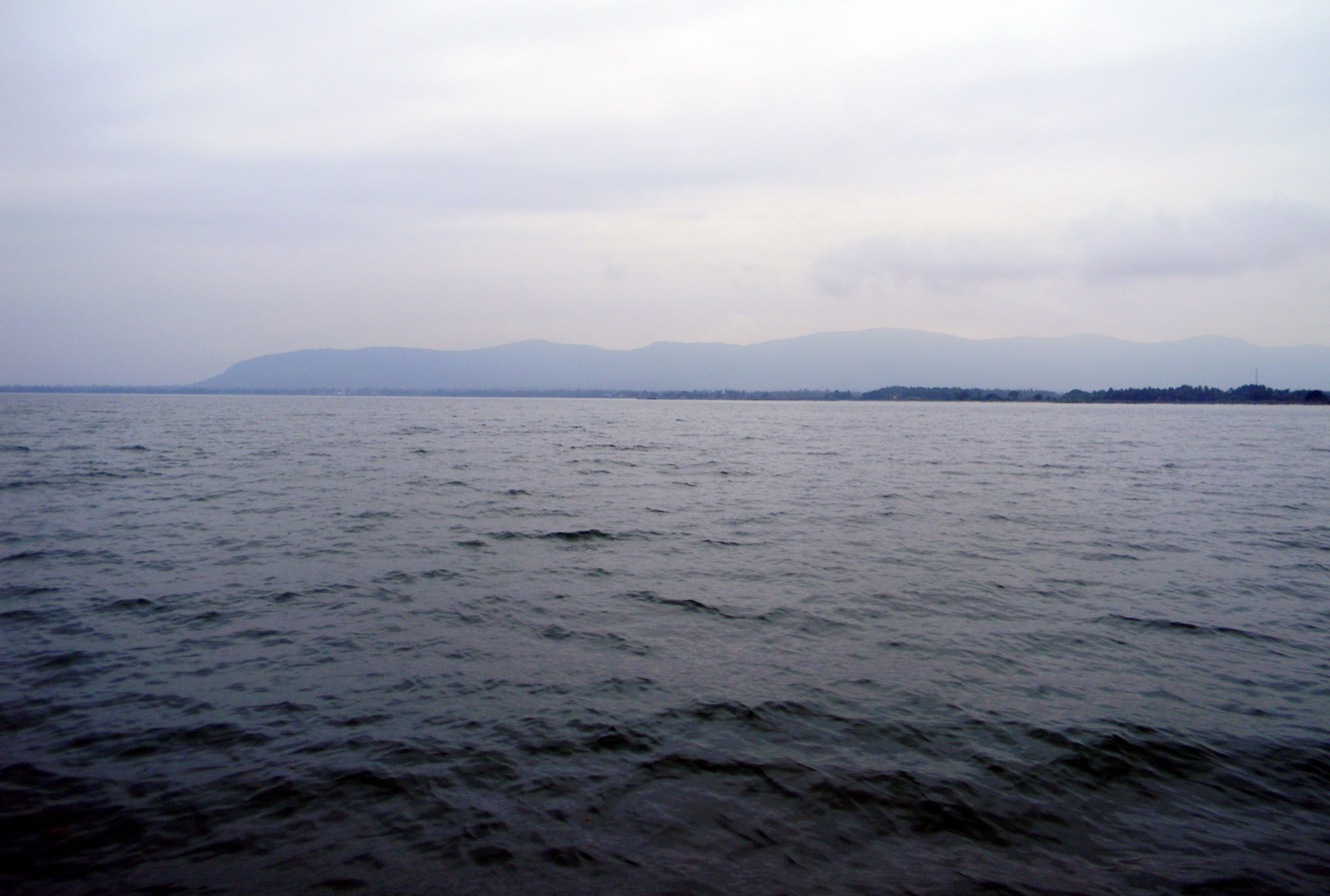
Chilika Lake is the obvious place to start. Spanning between 900 and 1,165 sq. km depending on the season, it’s the largest brackish water lagoon in Asia and connects to the Bay of Bengal through a narrow channel. Every winter it draws hundreds of thousands of migratory birds from as far as Siberia and Central Asia, and it’s also home to the endangered Irrawaddy dolphin. Guided boat tours run by local cooperatives at Mangalajodi and Satapada keep motor traffic limited and channel tourism income directly to fishing communities that once relied on hunting the same birds they now help protect.
Bhitarkanika: Mangroves and Saltwater Crocodiles
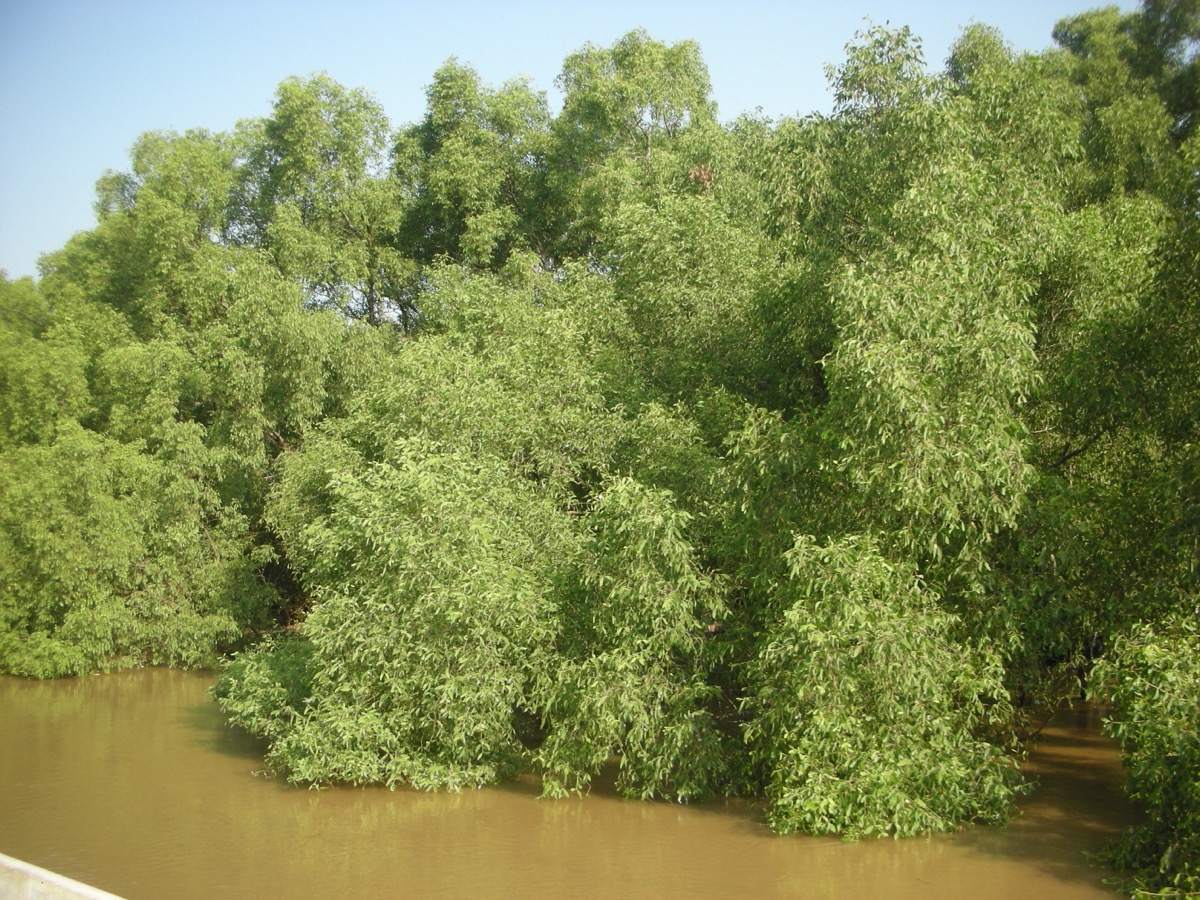
Around 162 km from Bhubaneswar, Bhitarkanika National Park protects 672 sq. km of mangrove swamp across the delta formed by the Brahmani, Baitarani, and Dhamra rivers. It holds one of India’s largest populations of saltwater crocodiles, alongside king cobras, water monitors, and dense stands of mangrove species that buffer the coast against cyclones—a function that has become more visible since Odisha’s repeated brushes with severe storms over the past decade. Boat safaris through the creeks, timed around dawn or dusk, are the standard way to see the park, and glamping-style mangrove camps now let visitors stay overnight without disturbing the core zone.
Further inland, Similipal National Park is a UNESCO Biosphere Reserve covering roughly 2,750 sq. km of Sal forest in the Mayurbhanj hills. It’s a tiger reserve and elephant corridor, but the more accessible draw for most visitors is its waterfalls—Barehipani, at 217 metres, is among India’s tallest, and Joranda drops 181 metres through dense forest. Nature camps at Chahala and the surrounding buffer villages combine short treks with visits to indigenous communities, and the reserve’s plant life includes a number of species used in traditional medicine that researchers are only beginning to document properly.
Beyond the Big Three: Debrigarh, Daringbadi, and Bhetnoi
Chilika, Bhitarkanika, and Similipal get most of the attention, but Odisha’s ecotourism network runs deeper. Debrigarh Wildlife Sanctuary, on the banks of the Hirakud reservoir on the Mahanadi river, runs a well-regarded nature camp with rooms managed by the local community and meals built around regional cuisine. Daringbadi, often called the “Kashmir of Odisha,” offers pine-forest hill views and waterfalls at a cooler altitude than the coast. And at Bhetnoi near Aska in Ganjam district, a community conservation effort protects one of the state’s blackbuck populations largely through local custom rather than fencing or enforcement—a reminder that some of India’s most effective conservation still runs on social agreement rather than infrastructure.
- Chilika Lake — migratory birds, Irrawaddy dolphins, community boat tours (Nov–Feb is peak birding season)
- Bhitarkanika National Park — mangrove creeks, saltwater crocodiles, boat safaris (Oct–Mar is ideal, park shut during monsoon)
- Similipal Biosphere Reserve — waterfalls, Sal forest, tiger reserve treks (Nov–Jun, closed during monsoon breeding season)
- Debrigarh Wildlife Sanctuary — Hirakud reservoir, community-run nature camp (Nov–Mar)
- Daringbadi — pine forest hill station, waterfalls, cooler climate year-round
- Bhetnoi — community-protected blackbuck habitat near Aska, Ganjam district
Travelling Responsibly in Odisha’s Wild Spaces
The value of Odisha’s ecotourism model is as much about who benefits as what you see. Nature camp bookings typically route income directly to village cooperatives rather than external operators, guides are usually drawn from the surrounding community, and most camps cap group sizes to limit disturbance to wildlife. If you’re planning a trip, a few habits make the difference between visiting responsibly and adding to the pressure these ecosystems already face: book through the official Odisha Ecotourism channels or verified community camps rather than unregulated private operators, avoid plastic water bottles and packaging inside protected areas, stick to marked boat routes and trails instead of asking guides to get closer to wildlife, and time visits to the dry season (roughly November to March across most of these parks) when breeding and nesting activity is lower.
None of this requires giving up comfort. Odisha’s nature camps range from basic dormitory-style eco-cottages to more polished glamping setups near Bhitarkanika and Ramchandi Beach, and caravan tourism launched in 2026 now lets travellers explore several parks in specialised motorhomes without needing fixed accommodation at all. What stays constant is the underlying idea: tourism revenue that funds conservation and rural livelihoods instead of competing with them—the same principle behind sustainable living choices closer to home.
Frequently Asked Questions
What is the best time for ecotourism in Odisha?
November to March is the best window for most destinations. Chilika’s migratory bird season peaks between December and February, Bhitarkanika and Similipal are both closed during the monsoon (roughly June to September) for breeding and safety reasons, and the cooler, drier winter months make boat safaris and forest treks far more comfortable.
How do I book an Odisha eco-tourism nature camp?
The Odisha Forest Development Corporation runs an official ecotourism portal covering nature camps at Chilika, Bhitarkanika, Similipal, Debrigarh, and other sites, with online booking for most locations. Booking directly through the official portal or a verified community cooperative (rather than a third-party reseller) ensures your money reaches the local conservation and livelihood programmes the camps are built around.
Is Bhitarkanika safe to visit given the crocodile population?
Yes, when visited through official boat safaris with trained guides who know the creeks and crocodile behaviour well. Independent boating or approaching the water’s edge outside designated viewing points is discouraged and is where most incidents involving wildlife occur—not on guided tours.
Odisha’s ecotourism circuit is proof that conservation and tourism don’t have to pull in opposite directions. For travellers looking beyond the usual hill stations and beaches, it’s a reminder that some of India’s richest natural experiences are also its least crowded—for now.