
Most people have heard of carbon credits. Far fewer have heard of India’s newer, homegrown cousin: the green credit. Unveiled by Prime Minister Narendra Modi at COP28 in Dubai in 2023 and formalised through the Green Credit Rules that October, the Green Credit Programme (GCP) is India’s attempt to build a market-based reward system for environmentally positive action — not just carbon reduction, but a broader basket of activities including tree plantation, water conservation, sustainable agriculture, waste management, and eco-restoration.
This week, the Ministry of Environment, Forest and Climate Change gave Parliament a status update on how the Green Credit Programme is actually functioning nearly three years after it was announced — the kind of operational detail that rarely makes headlines but is exactly where a policy’s real impact (or its real limitations) tends to show up.
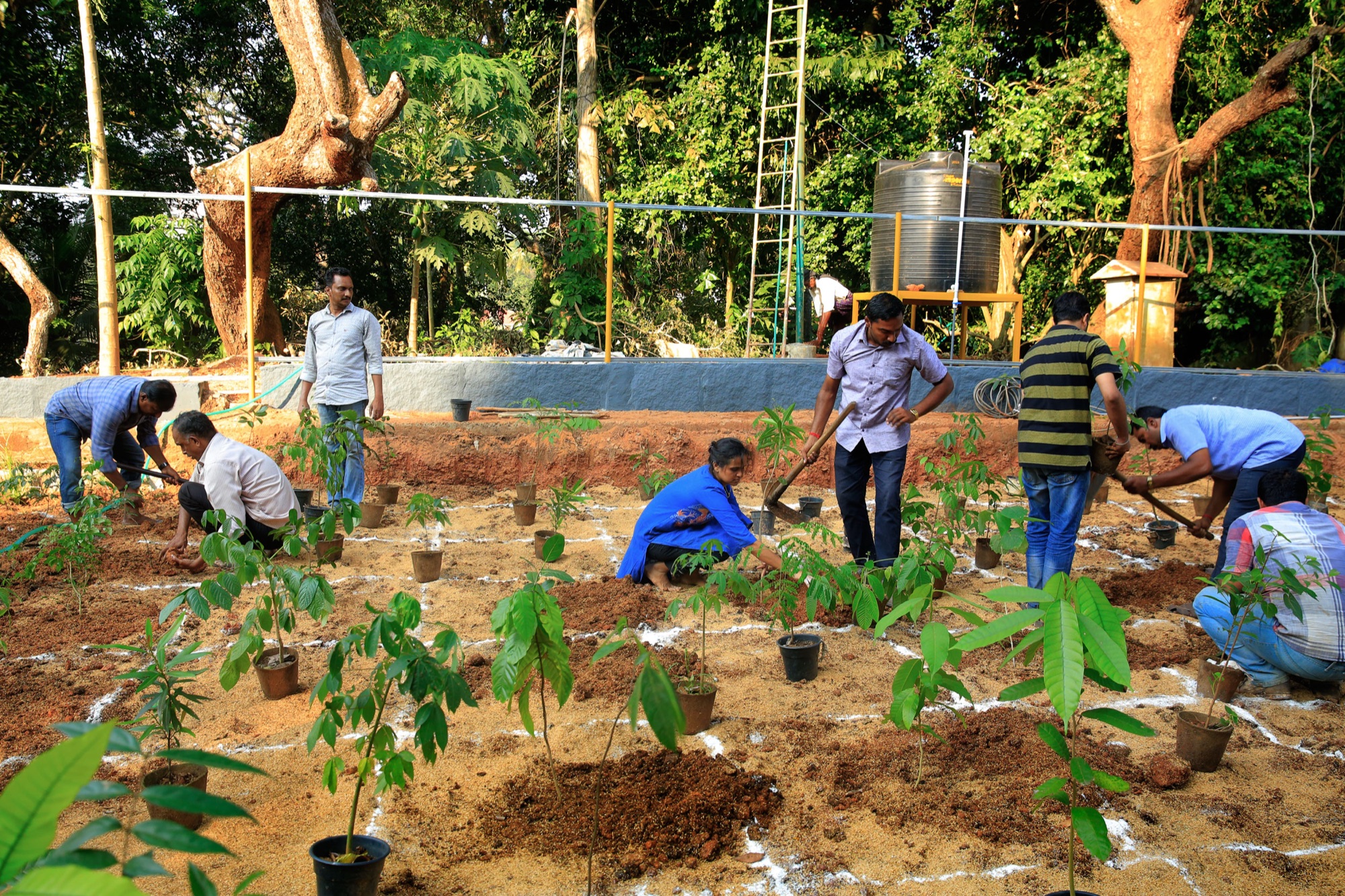
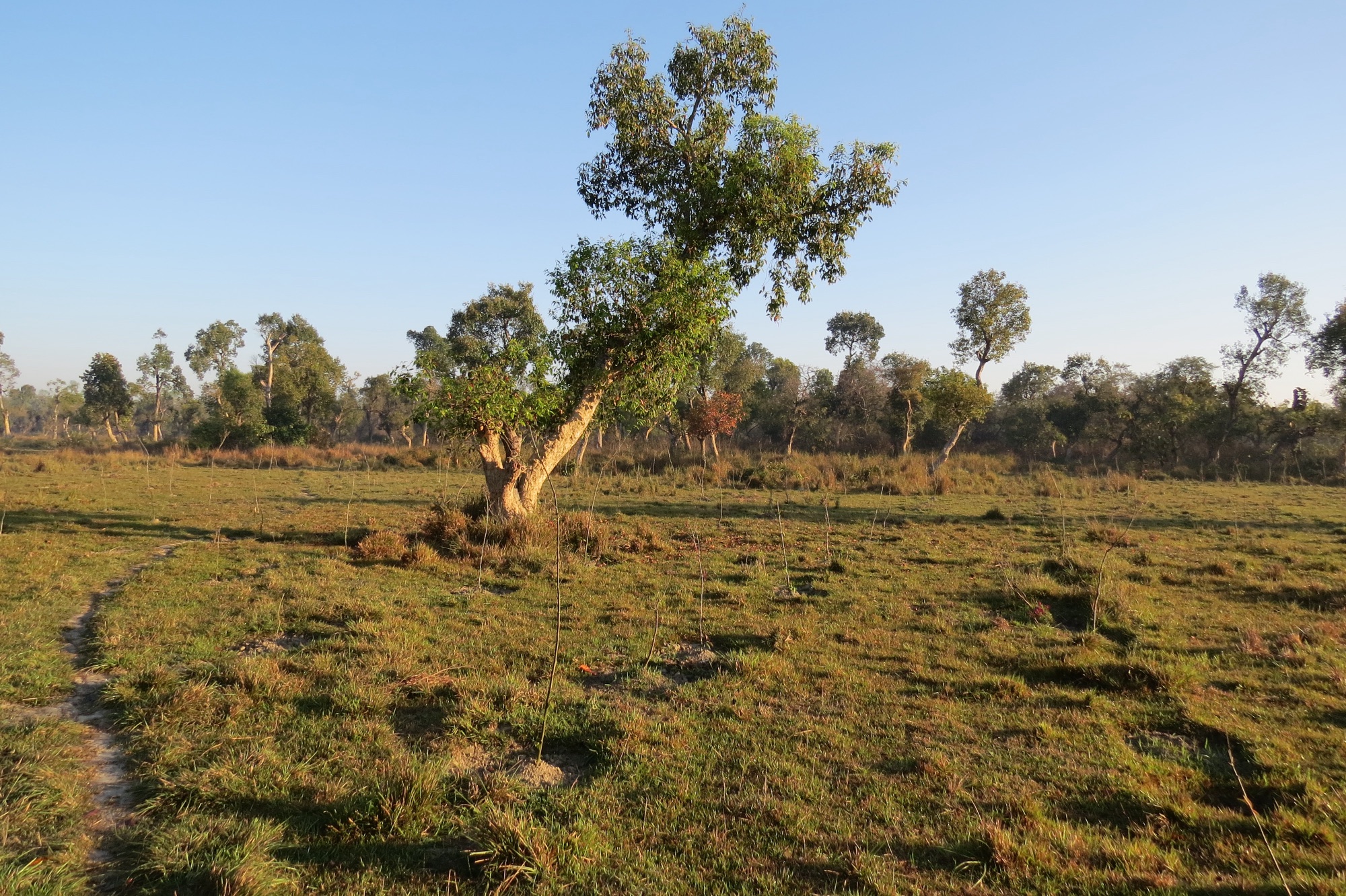
Right now, the programme’s most developed track is tree plantation and eco-restoration of degraded forest land — the modality was notified in February 2024 and revised again in August 2025. Here’s roughly how it works: a state forest department identifies and registers a parcel of degraded forest land. A company, institution, or individual can then apply to restore that land — funding and carrying out plantation and regeneration work on it. But the credit isn’t handed out on day one. An applicant has to wait a minimum of five years, and the restored land has to reach at least 40% canopy density — the threshold that qualifies as a “moderately dense forest” — before a green credit can actually be claimed.
That five-year wait is deliberate: it’s meant to filter out box-ticking plantation drives — the kind where saplings get photographed on planting day and nobody checks whether they survived — in favour of restoration that actually takes hold. The Indian Council of Forestry Research and Education (ICFRE) in Dehradun administers the Green Credit Programme and runs a Green Credit Programme Portal where applications, verification, and credit issuance are tracked, with independent “designated agencies” responsible for verifying that the on-ground work matches what’s been claimed.
Why India built a second system alongside carbon credits
Carbon credit markets — the kind traded internationally and increasingly regulated under India’s own Carbon Credit Trading Scheme — are built almost entirely around emissions: a tonne of CO2 avoided or removed equals one credit, denominated in a single, fungible unit. The Green Credit Programme deliberately doesn’t work that way. It’s structured around a wider set of “environmentally positive actions” tied to Mission LiFE — the government’s broader Lifestyle for Environment initiative aimed at nudging both individual behaviour and institutional investment toward sustainable living — including categories the government says will eventually expand beyond tree plantation to water conservation, sustainable agriculture, waste management, air pollution reduction, mangrove conservation, and eco-restoration more broadly.
The idea is to put an economic value on forms of environmental stewardship that don’t reduce neatly to a carbon-tonne calculation but still matter — restoring a degraded hillside, reviving a dying wetland, or shifting a farm to regenerative practices. In theory, that gives companies and individuals a reason to fund restoration work they might otherwise have no financial incentive to undertake, while giving verified restoration projects a funding stream beyond government budgets or philanthropy.

The programme has also had to correct course at least once already. Independent environmental researchers flagged early concerns that the scheme’s original methodology risked incentivising plantation on land that wasn’t genuinely degraded, or on ecologically sensitive sites where a monoculture plantation could actually do more harm than good — undermining, rather than supporting, existing forest conservation law. In response, the Ministry revised the rules in 2025 to tighten how “degraded land” is defined and, notably, made green credits earned from tree plantation non-tradable and non-transferable except between a holding company and its own subsidiaries — a meaningful walk-back from the original vision of a fully tradable, open green-credit market.
Where this leaves the Green Credit Programme
That revision is worth sitting with, because it says something honest about how hard it is to build a market-based mechanism for ecological restoration without creating loopholes. A tradable credit that can be bought, sold, and used to offset a company’s environmental obligations elsewhere is a powerful incentive — but it’s also exactly the kind of instrument that can be gamed, or that can end up rewarding activity that looks good in a report without doing much good on the ground. By restricting tradability for the tree-plantation track and building in a multi-year verification runway before any credit is even issued, the Green Credit Programme has, at least for now, prioritised getting the underlying restoration right over building fast liquidity into the credit market.
For a reader trying to place the Green Credit Programme in the wider landscape of India’s climate policy, the honest summary is this: it’s still early, still evolving, and still smaller in scale than India’s carbon credit and Renewable Purchase Obligation frameworks. But it represents a genuine attempt to build financial infrastructure around the kind of ecological restoration work — degraded forest revival, catchment protection, eco-restoration — that has historically depended on government budgets alone. Whether it scales into something that moves real money toward real restoration, or ends up a well-intentioned mechanism used mostly by a handful of large corporates for compliance optics, is a question the next few years of implementation data — not the policy design on paper — will answer.
Source: Press Information Bureau, Government of India — Parliament Question: Green Credit Programme
For more sustainability news from India, explore Prakati’s ongoing coverage of climate policy and forest restoration.