
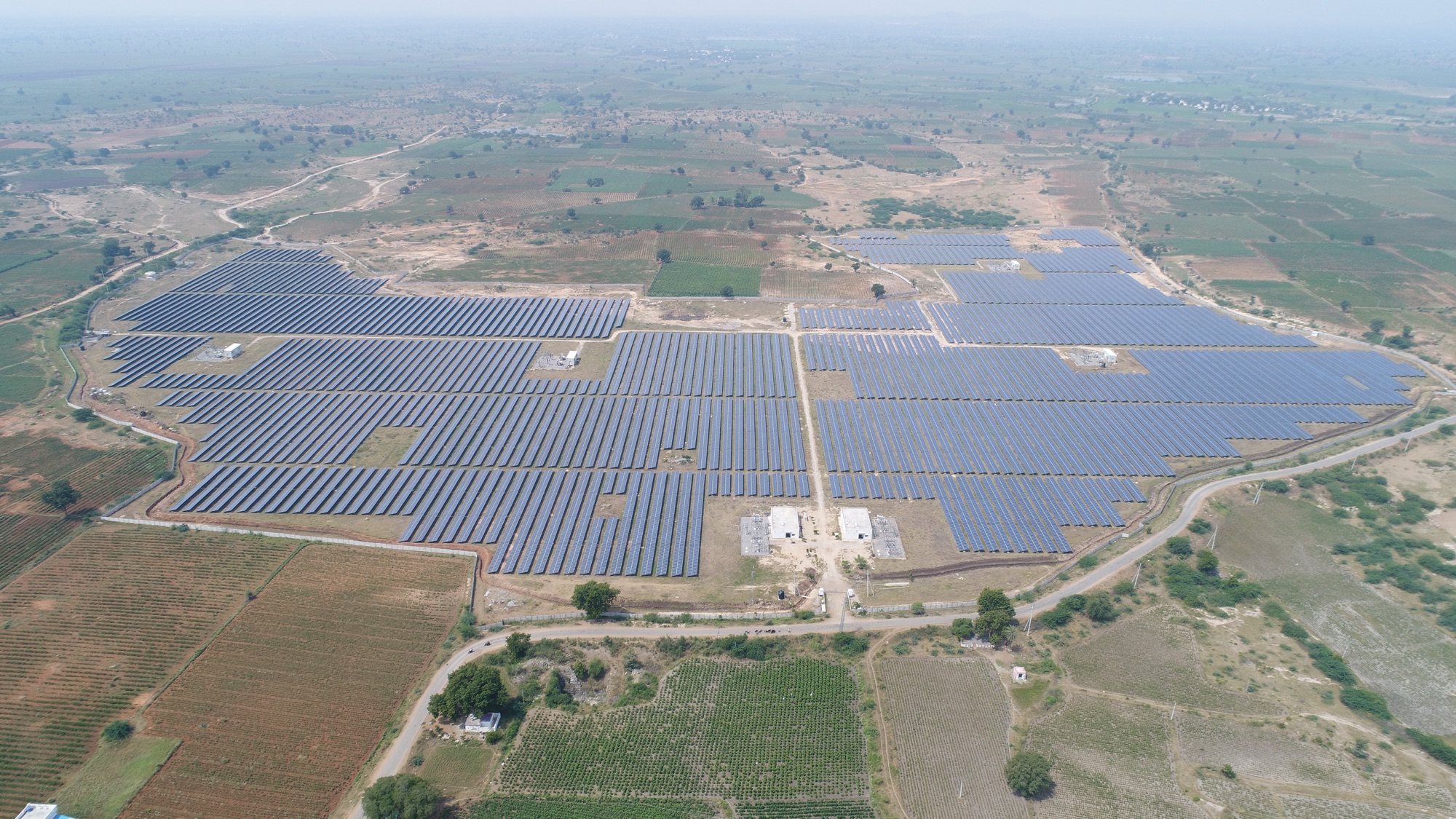
India’s solar boom tends to get told through capacity numbers — gigawatts added, tariffs falling, mega-parks rising out of the desert. Those numbers are real and genuinely remarkable. But they can also flatten a much more granular question: who actually gets to own and build the projects behind them?
A press release from the Ministry of Social Justice & Empowerment this week offered one small, specific answer. Dasari Kumari, an entrepreneur in Nalgonda, Telangana, owns and operates Dartyens Power Private Limited — a women-led solar power India project, a 1 megawatt solar power plant that has been supplying clean electricity to the grid since it was commissioned with backing from the Venture Capital Fund for Scheduled Castes (VCF-SC) in 2016.
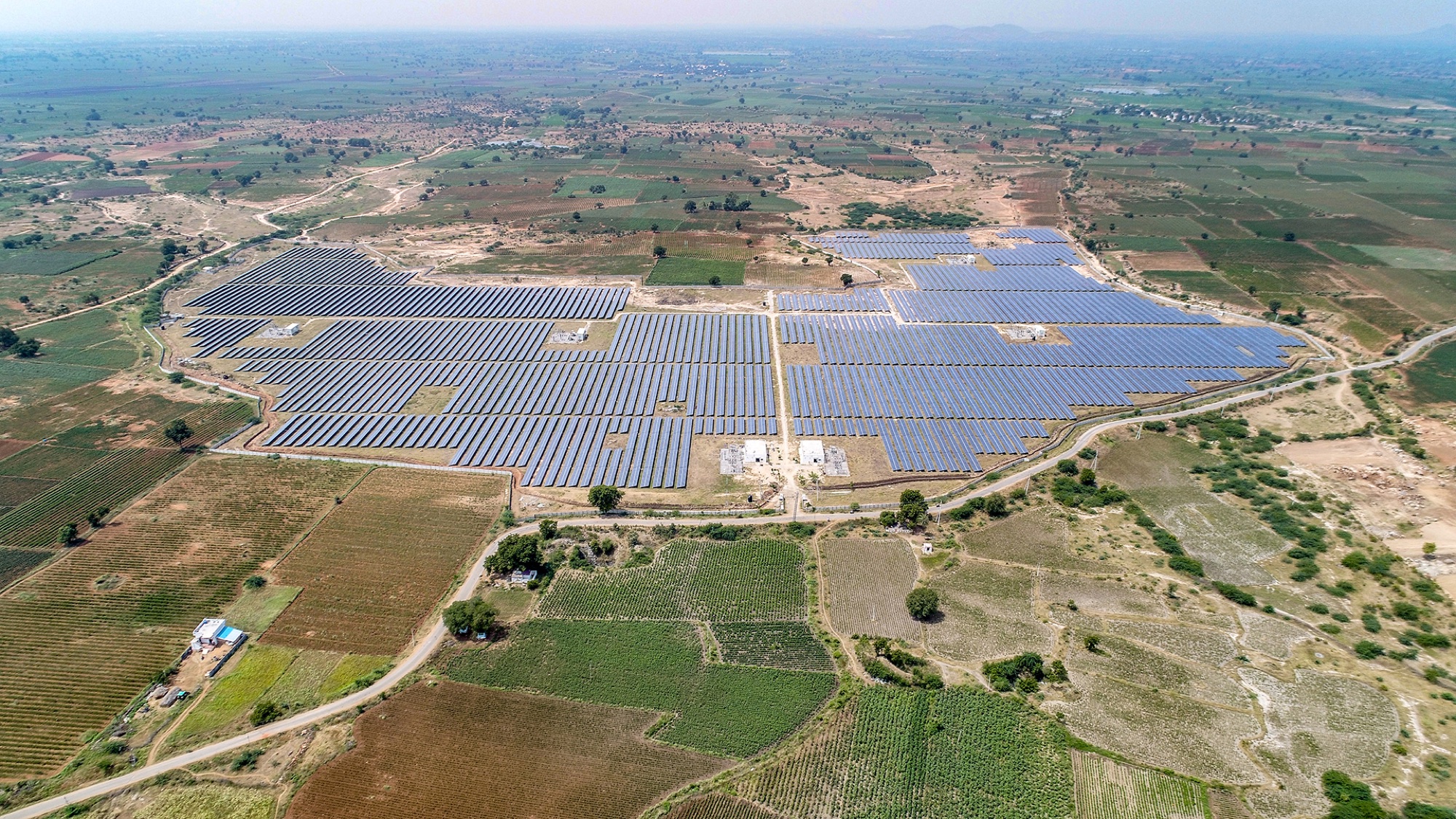
A 1 MW plant is modest by the standards of India’s giant solar parks — Rajasthan’s Bhadla alone runs past 2,000 MW — but at that scale it’s still enough to power several thousand homes, and it represents exactly the kind of distributed, mid-sized generation project that India’s grid increasingly needs alongside its mega-installations. The Venture Capital Fund for Scheduled Castes extended ₹4.35 crore to the project in 2016 through a mix of equity and optionally convertible debentures, financing structured specifically to help first-generation Scheduled Caste entrepreneurs clear the early-stage capital hurdle that keeps many viable projects from ever getting built.
Why the financing detail is the actual story
Solar power generation isn’t a technically exotic business anymore — the engineering and the equipment supply chains are mature and well understood. What determines who gets to build a plant is almost entirely about who can raise the upfront capital, and that’s where the playing field has historically been uneven. Women make up just 11% of India’s renewable energy workforce, against a global average closer to 32%, and the gap widens sharply in technical and ownership roles: about 3% in construction and commissioning, and roughly 1% in operations and maintenance, according to sector analysis. Land ownership compounds the problem — women own under 14% of land in India, which matters directly for renewable energy financing because land title is often the collateral banks want before extending a project loan.
VCF-SC exists to work around exactly that kind of structural gap, though for caste rather than gender specifically — it was set up by the Ministry of Social Justice & Empowerment and is professionally managed by IFCI Venture Capital Funds, providing equity-linked financing (rather than requiring the collateral a conventional bank loan would) to Scheduled Caste-owned enterprises that meet minimum shareholding thresholds. Dartyens Power sits at the intersection of both gaps — a Scheduled Caste-owned business and a woman-led one — in a sector where both categories remain thin on the ground, one of the more instructive changemakers stories to come out of India’s clean energy sector this year.
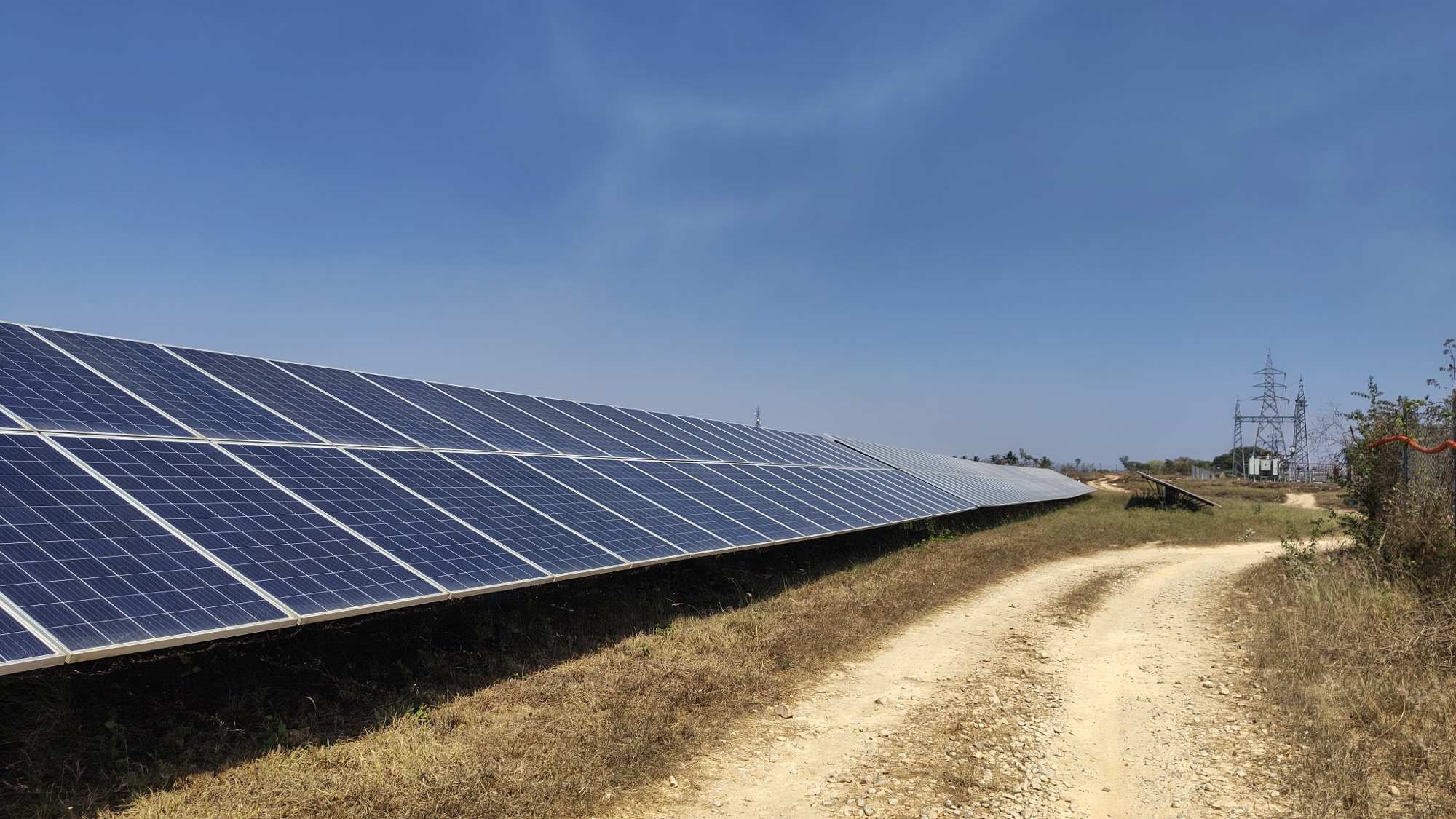
According to the Ministry, the plant has “consistently achieved its expected performance targets” since commissioning and generates stable revenue in line with its original financial projections — the kind of unglamorous operational detail that matters more than it sounds, because a large share of the risk in backing new-entrant renewable energy developers is precisely that projects underperform or founders can’t sustain operations once the initial capital runs out. A near-decade track record of hitting output targets is, in effect, the strongest evidence VCF-SC has that its underwriting model works.
A funding model that keeps showing up in circular-economy and clean-energy stories
This is the second VCF-SC-backed sustainability story PIB has highlighted this week alone — the fund also recently profiled a Scheduled Caste woman entrepreneur’s waste-tyre recycling plant in Visakhapatnam. Taken together, the two releases point to something worth noticing: a fairly small, specialised government venture capital vehicle is quietly showing up at the origin point of multiple distinct sustainability sectors — clean energy generation and circular-economy waste processing — not because those sectors were its original mandate, but because access to growth capital, not technical capability, was the actual constraint holding first-generation entrepreneurs back from entering them.
India’s 2030 target of 500 GW of non-fossil-fuel capacity — part of the same solar growth story that has already taken the country from 3 GW to over 162 GW of installed solar capacity in a decade — will require thousands of projects like Dartyens Power’s, not just a handful of record-setting mega-parks. Widening who has access to the clean energy capital needed to build them — across caste, gender, and geography — isn’t a side note to that target. It’s close to the whole game.
Source: Press Information Bureau, Government of India — Driving Clean Energy and Sustainable Entrepreneurship: How VCF-SC Enabled Dartyens Power Pvt. Ltd. to Establish a Successful Solar Power Project
For more sustainability news from India, explore Prakati’s ongoing coverage of clean energy and women-led entrepreneurship.