
It is easy to read about carbon accounting in the abstract — scopes, emission factors, methodologies — and still wonder what it looks like in an actual business, on an actual Tuesday. This article moves from theory to practice with real-world carbon accounting examples, showing how companies of different sizes and sectors have used emissions data to make genuine operational decisions, not just fill out a compliance form.
A Manufacturing SME: Finding the Real Emissions Hotspot
A mid-sized auto-components manufacturer in western India assumed, going into its first carbon accounting exercise, that its diesel generators were the dominant emissions source — they were loud, visible, and everyone on the shop floor associated them with pollution. Once the business built a proper emissions inventory covering purchased electricity, diesel, and compressed air leakage, the picture flipped: grid electricity consumed by aging compressors running continuously overnight accounted for nearly half of Scope 1 and 2 emissions combined. The fix was not a generator replacement — it was a compressed-air leak audit and a shift to load-based compressor scheduling, which cut relevant emissions by close to a fifth within two quarters. The example illustrates a pattern seen repeatedly: without measurement, businesses tend to target the emissions source that looks the worst, not the one that actually is.
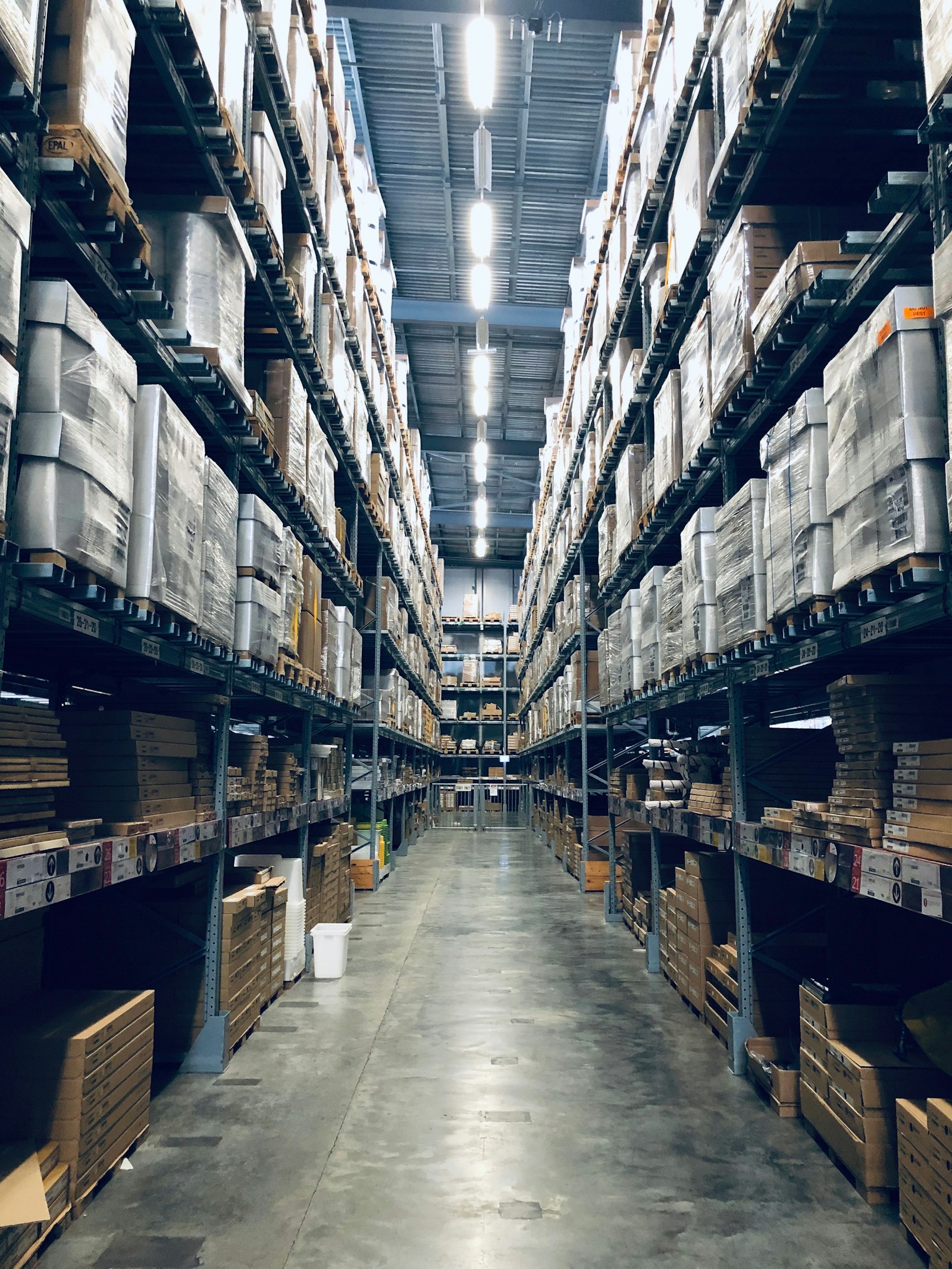
A regional logistics and warehousing company found a similar surprise once it accounted for its full operation rather than just its delivery fleet: refrigerated storage units running at partial capacity overnight were consuming disproportionate electricity relative to the goods they held, prompting a consolidation of cold-storage zones that reduced both energy use and emissions per unit stored.
A Textile Exporter: Turning Scope 3 Data Into a Buyer Advantage
A garment exporter supplying European retail brands faced a different challenge: buyers increasingly wanted Scope 3 data on purchased fabric, not just the exporter’s own factory emissions. Rather than treating this as an unwelcome new compliance burden, the company worked directly with its two largest fabric mills to collect actual energy-mix data instead of relying on generic industry-average emission factors. The resulting figures were lower than the industry defaults because both mills used a higher share of renewable grid power than the national average — and the exporter was able to present buyer-specific, verified numbers that became a genuine competitive differentiator during contract renewal, rather than just a box to tick.
A Retail Chain: Using Carbon Data for Real Estate Decisions
A multi-city retail chain used carbon accounting to inform something as concrete as store lease renewals. By tracking per-store electricity consumption alongside footfall and revenue, the sustainability team identified a cluster of older stores where inefficient HVAC systems were driving emissions — and costs — well above the chain average per square foot. That data became a direct input into renovation and lease-renewal decisions, with the worst-performing stores prioritised for efficiency retrofits before renewal rather than after. The carbon accounting exercise did not just produce a number for a report; it changed a real estate decision.
A Food Processing Business: Baseline First, Reduction Second
A packaged food processor followed the sequence that carbon baseline guidance generally recommends: measure thoroughly for a full year before setting any reduction target. That patience paid off when the baseline revealed that refrigerant leakage from ageing cold-chain equipment was contributing a disproportionately large share of total emissions relative to its size — refrigerants have a warming potential many times that of CO2, and a small leak can outweigh a large amount of electricity use. Armed with an accurate baseline, the business prioritised refrigerant management and leak detection ahead of the more visible (but less impactful) solar rooftop project it had originally planned to lead with.
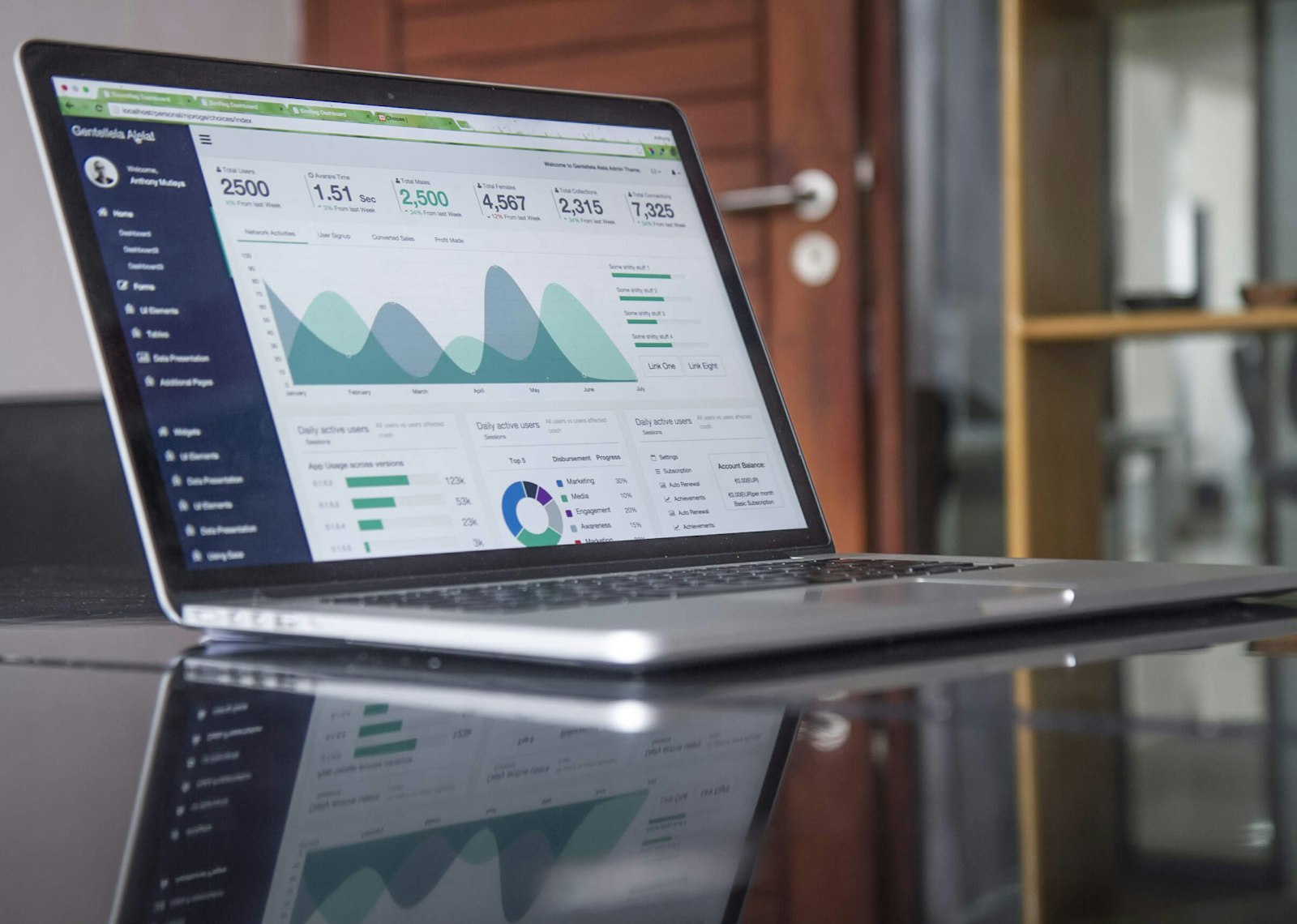
Across all four examples, the businesses that got real value from carbon accounting shared one habit: they let the data challenge their assumptions instead of using it to confirm what they already believed. The visible, obvious emissions source is rarely the whole story — and sometimes not even the main one.
What These Carbon Accounting Examples Have in Common
- Measurement came before action — none of these businesses cut emissions based on guesswork
- The biggest wins were often in unglamorous operational areas: compressors, cold storage, refrigerants, HVAC
- Supplier and buyer collaboration turned Scope 3 reporting from a burden into a business advantage
- Carbon data was used for decisions that had nothing to do with sustainability reporting on paper — real estate, procurement, equipment scheduling
These carbon accounting examples are a reminder that the exercise is only as useful as the decisions it informs. A business that measures emissions accurately but files the report away has done half the job. The ones that treat the numbers as an operating tool — the way these four did — tend to find that carbon accounting pays for itself well before any external pressure requires it.